Shillong Golf Course: The Gleneagles Of The East
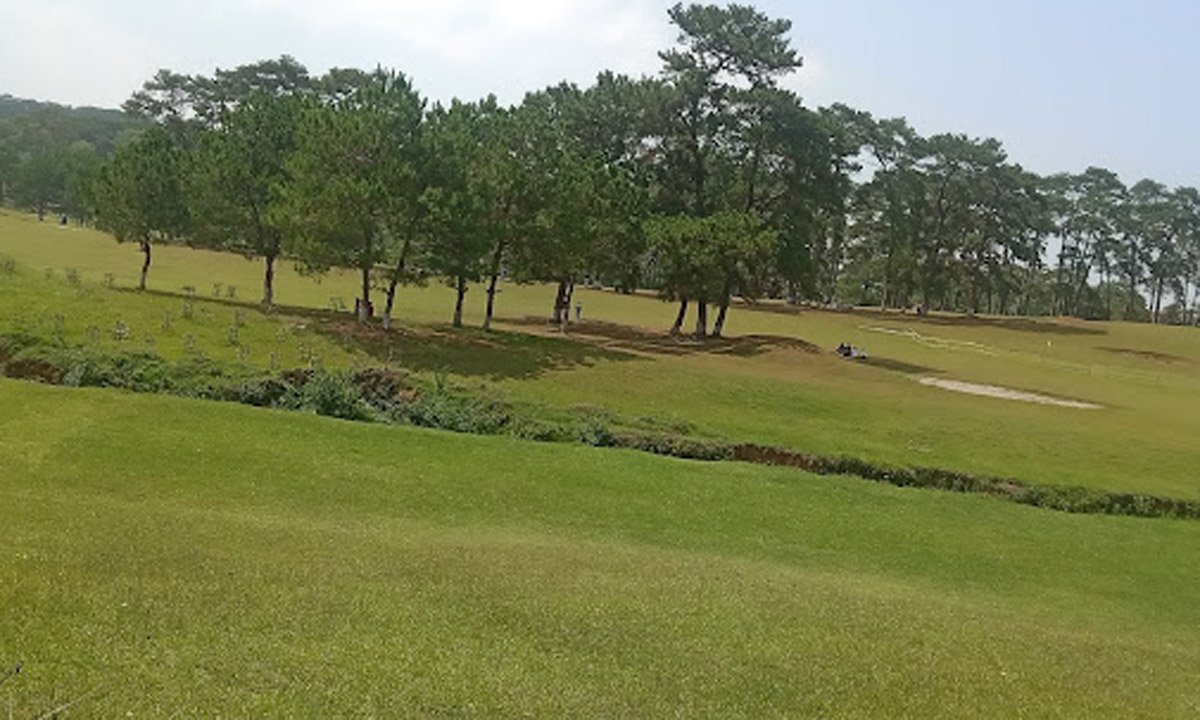
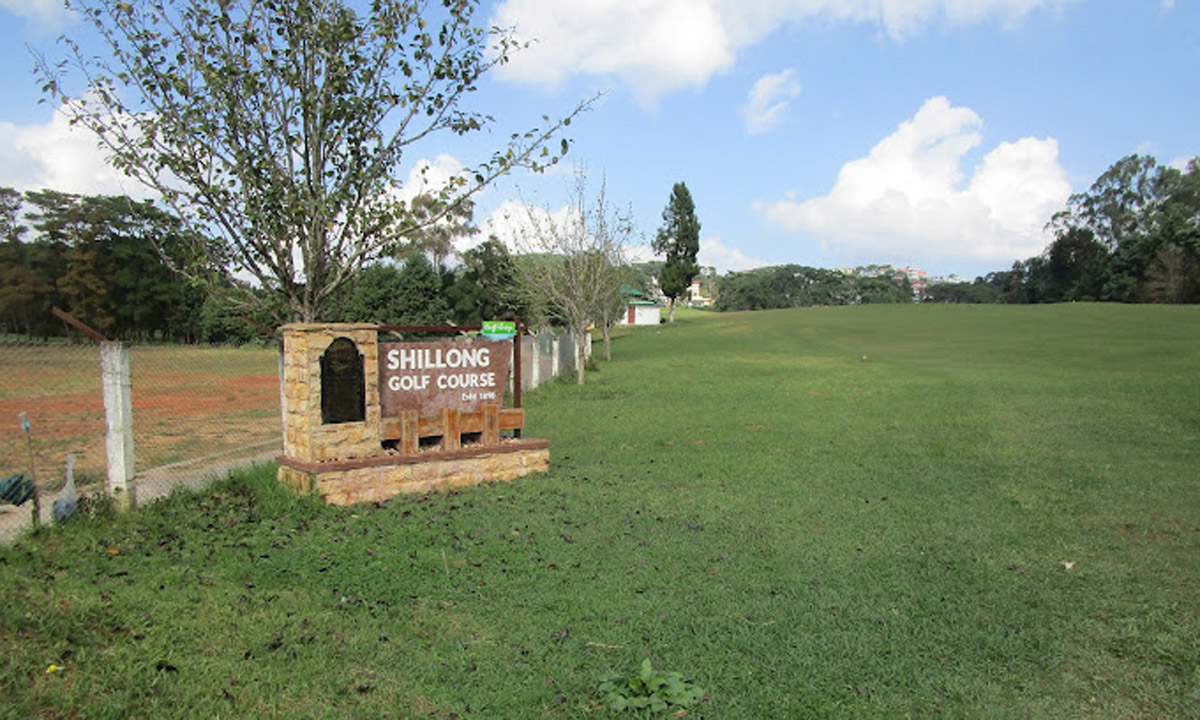
Shillong Golf Course
Audio
SoundHelix-Song-1.mp3
0:00 / 0:00

Where British Legacy Meets Himalayan Grandeur – A 127-Year-Old Natural Golf Paradise (Updated: January, 2026)


Introduction: A Living Monument to Colonial Leisure

Nestled in the undulating valleys of the East Khasi Hills at 4,750–5,200 feet above sea level, the Shillong Golf Course stands as one of Asia's most extraordinary golf destinations—not merely for its age or altitude, but for its remarkable fusion of history, natural beauty, and enduring challenge. Known affectionately as the "Gleneagles of the East" by the US Golf Association Museum, this 18-hole natural golf circuit has earned a place in the Guinness World Records as one of the oldest and finest golf courses in Asia.

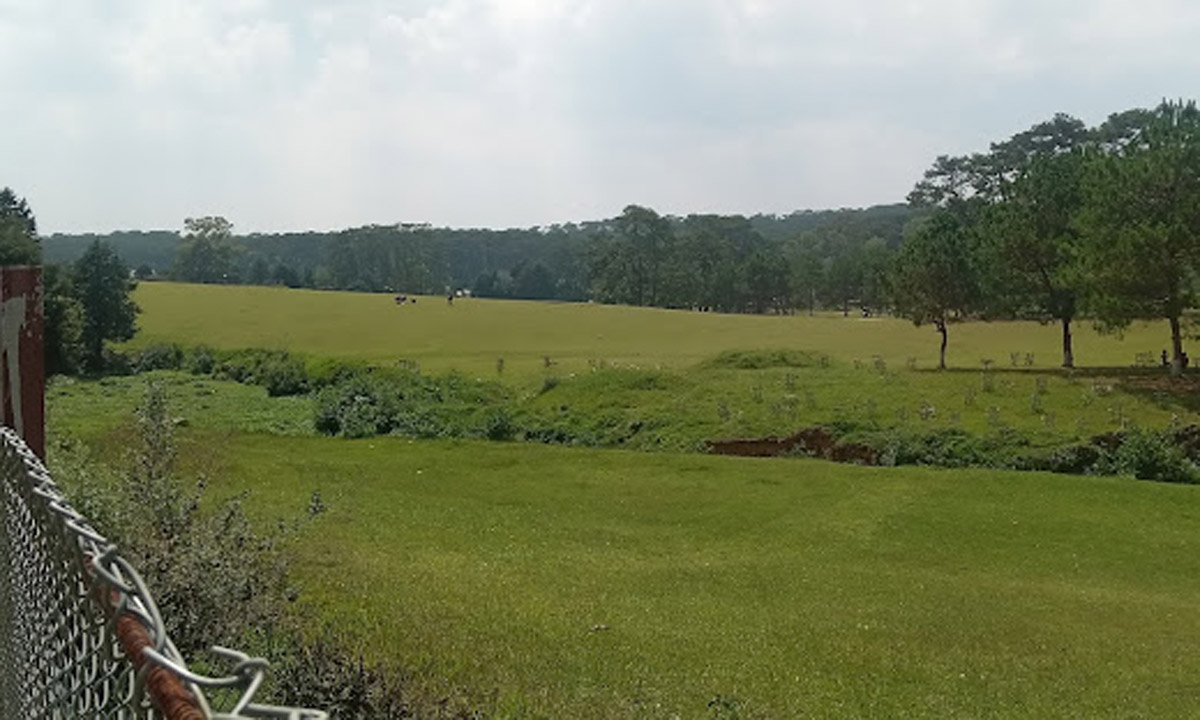
What began in 1898 as a modest 9-hole course carved out by homesick British civil servants has evolved into an 80-hectare masterpiece that transcends sport—it's a sanctuary where pine forests whisper colonial tales, where grazing cattle serve as the world's most unusual natural hazards, and where golfers navigate terrain that challenges both skill and stamina in equal measure.

Lesser-Known Fact #1: The Laban Precursor

While most sources cite 1898 as the founding year, recent archival research reveals a fascinating prequel: The Shillong Golf Course was originally developed as a 9-hole course in 1878 by Messrs. J.C. Arbuthnoth and B.C. Allen (both Indian Civil Service officers) at Laban, a different location in Shillong.

According to the Shillong Club official records: "The Shillong Golf Course was originally developed as a nine-hole Golf Course in 1878... at Laban, now a separate locality."

Why the relocation? Sources suggest the Laban site proved unsuitable for expansion, leading to the establishment of the current course in 1898 in the picturesque valley now known as Golf Links—a location that offered the rolling, pine-forested terrain perfectly suited for a championship course.

The Third Oldest Golf Course in India: Setting the Record Straight

Age Hierarchy:

  1. Royal Calcutta Golf Club (1829) – Oldest golf club in India; first outside Great Britain
  2. Bangalore Golf Club (1876)
  3. Shillong Golf Course (1878/1898) – Third oldest

Historical Significance: Golf arrived in Shillong through a group of British Civil Service officers stationed in what was then the summer capital of the Assam province (capital shifted from Cherrapunji to Shillong in 1866). These officers, seeking respite from administrative duties and longing for the rolling links of Scotland, found the perfect canvas in Shillong's misty highlands.

As Incredible India notes: "Born from the leisure pursuits of British colonial officials stationed in Shillong in 1898, its formation stands as a testament to the timeless appeal of this timeless game that transcends continents and generations alike."

The 1924 Transformation: Captain Jackson & C.K. Rhodes

Lesser-Known Fact #2: The Architects Behind the 18-Hole Course

In 1924, the course underwent its defining transformation when Captain Jackson and C.K. Rhodes redesigned and expanded the original 9-hole layout into the 18-hole, par-68 championship course that exists today. This expansion was no small feat—it required:

  • Preserving natural contours while creating challenging fairways
  • Integrating natural hazards (streams, pine groves, undulating terrain)
  • Maintaining ecological balance with minimal landscape alteration

Result: A course that remains 70% natural, with no artificial bunkers or water hazards—everything you encounter is nature's design.

Geography & Altitude: The Highest Course Debate

Lesser-Known Fact #3: The Altitude Discrepancy

Various sources cite conflicting elevation figures:

  • Official Shillong Club website: 4,750 feet above MSL
  • Multiple tourism sources: 5,200 feet (1,580 meters)

The truth? The course's undulating terrain spans approximately 450 feet of elevation change across its 80 hectares—meaning different holes sit at different altitudes. The highest point reaches ~5,200 feet, while the lowest fairways sit closer to 4,750 feet.

Is it Asia's highest golf course? Not quite. That record belongs to:

  1. Yak Golf Course, Kupup, Sikkim – 13,025 feet (Guinness World Record)
  2. Golf Course Ranikhet, Uttarakhand – Often cited as "highest in Asia" (~6,000 ft)
  3. Shillong Golf CourseHighest natural golf course in Northeast India

However, Shillong does hold the distinction of being Asia's largest natural golf course at 80 hectares and one of the oldest continuously operational courses in the region.


The "Gleneagles of the East": A Scottish Kinship

The nickname "Gleneagles of the East" was bestowed by the US Golf Association Museum and the LIS Golf Association, referencing Scotland's legendary Gleneagles Hotel golf courses. The comparison is apt:

Similarities:

  • Natural, undulating terrain shaped by glacial and geological forces
  • Pine and rhododendron forests framing fairways
  • Cool, misty climate (Shillong's annual rainfall ~2,740 mm; called "Scotland of the East")
  • Challenging layout demanding strategic play over power
  • Aesthetic beauty that rivals playability

Unique to Shillong:

  • Cherry blossoms in November during the Shillong Cherry Blossom Festival
  • Grazing cattle as live natural hazards (more on this below)
  • Himalayan backdrop visible from elevated tees

Natural Hazards: Golf's Most Unusual Obstacles

Lesser-Known Fact #4: Cattle on the Fairways

One of Shillong Golf Course's most charming—and challenging—features is the presence of grazing cattle that freely roam the fairways. According to a December 2024 YouTube documentary:

"The unique undulating terrain, natural hazards, and grazing cattle on the fairways make it both challenging and charming for golfers."

The backstory: Instagram posts from February 2025 reveal: "Legends say the course was once a grazing ground for cattle, transformed by British tea planters into a slice of Scotland in the Northeast."

Today's reality: Local herders still graze cattle on the course's periphery, and golfers must occasionally wait for cows to clear the green—an experience that adds both frustration and folksy charm to the game.

Other natural hazards include:

  • Steep elevation changes (up to 450 feet across the course)
  • Dense pine groves that swallow errant shots
  • Natural water streams crossing several fairways
  • Unpredictable wind patterns at altitude
  • Morning mist and fog reducing visibility

Course Layout & Challenges

Specifications:

  • Total Holes: 18
  • Par: 68
  • Total Area: ~80 hectares (197 acres)
  • Course Type: Natural (no artificial bunkers)
  • Fairway Type: 16 of 18 holes natural turf
  • Difficulty: Moderate to Challenging

Lesser-Known Fact #5: The Sixth Deepest Hole in India

According to Hotel Polo Towers research: "It has the sixth deepest hole on the course in India lying at a depth of 540 meters."

This dramatic elevation drop makes for one of the most visually stunning—and technically demanding—holes in Indian golf.

Terrain challenges noted by golfers on 18Birdies (2025): "The greens are well laid out within the beautiful city of Shillong. The course is physical fitness demanding due to its location in the undulating terrain."

Flora & Fauna: A Golfer's Biodiversity Experience

Dominant Flora:

  • Pine forests (Pinus kesiya) – Framing most fairways
  • Rhododendrons – Blooming spring through early summer
  • Cherry blossoms (Prunus cerasoides) – November peak during festival
  • Ferns and mosses – Ground cover on shaded slopes
  • Bamboo groves – Eastern sections

Wildlife Sightings:

  • Birds: Khasi Hill Partridge, Fire-tailed Sunbird, Asian Koel
  • Mammals: Occasional leopard cat sightings (rare), civets
  • Insects: Butterflies (over 50 species documented)

Visitor Experience: Golfers vs. Walkers

Entry Fees & Access (2025–2026):

For Golfers:

  • Membership: Available through Shillong Club Ltd. (annual programs)
  • Green Fees: Varies by day/season; contact Shillong Club for rates
  • Equipment Rental: Available on-site
  • Caddy Fees: ₹300–₹500 per round

For General Visitors (Non-Golfers):

  • Entry Fee: ₹50 per person (for walking/sightseeing)
  • Parking: ₹50
  • Timings: Approximately 5:00 AM – 5:00 PM (best to arrive early morning)
  • Best For: Morning walks, photography, nature lovers

Visitor Reviews (2026):

TripAdvisor (⭐⭐⭐⭐): "This is one of the finest Golf courses that the Britishers made in Shillong with 18 holes, the location and the surrounding with mighty Pine trees add more of a charm to the club."

Wanderlog (2025): "Great place for strolling. Fee ₹50/person. Set in a rolling valley of rhododendron and pine forests (5,200 ft), it is one of the oldest natural golf courses in Asia."

Instagram (June 2025): "With pine trees all around and mist in the air, it's not just for golf—it's a perfect spot for peaceful walks, stunning photos, and relaxing in nature."

Critical Note (2026): Some visitors mention: "I love the place, but the reception is unreliable and communication is poor. When we don't have exact change for the fees, we're unable to get tickets." (TripAdvisor)

Best Time to Visit

For Golfers:

  • October to April: Pleasant weather, clear skies, dry fairways
  • Temperature: 10°C–25°C
  • Avoid: Monsoon (June–September) – heavy rainfall, slippery greens

For Nature Lovers & Photographers:

  • November: Cherry Blossom season – pink blooms across the course; coincides with Shillong Cherry Blossom Festival
  • March–April: Rhododendron blooms
  • October–December: Post-monsoon clarity; misty mornings

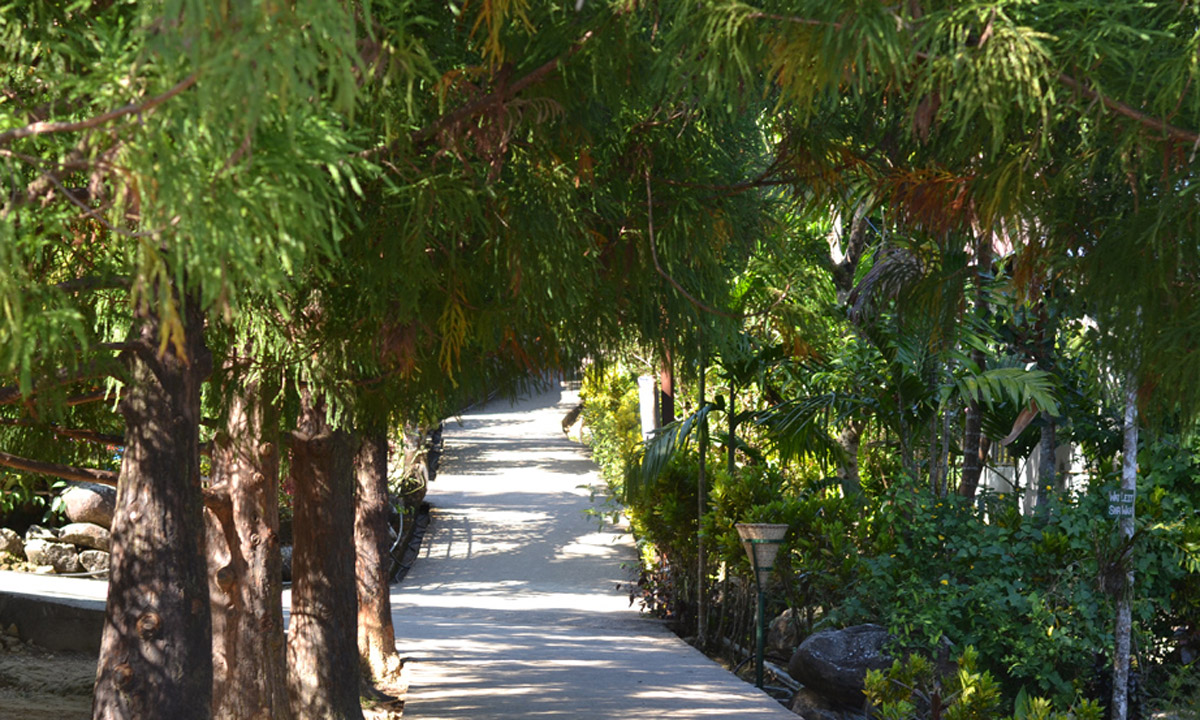
Northeast Explorers (travel blog): "Another location in Shillong which saw really beautiful Cherry Blossom was the Golf course. The already beautiful place, with its palm-tree-lined roads again, looked prettier with the pink blooms."

Heritage & Conservation

Colonial Architecture:

  • Clubhouse: Original British-era structure with colonial architecture; still houses member facilities
  • Heritage Status: Listed in multiple national heritage tourism documents

Conservation Efforts:

  • Minimal landscape alteration – preserved as natural course
  • Indigenous tree protection – no clearing of native pine/rhododendron
  • Wildlife corridors maintained across course boundaries

Practical Information

Location: Golf Links, Shillong, East Khasi Hills, Meghalaya
Distance from:

  • Shillong city center (Police Bazar): ~3 km (10 minutes)
  • Guwahati: ~100 km (3 hours)
  • Shillong Airport: ~30 km

Contact:

  • Shillong Club website: shillongclub.com
  • Phone: Check official website for updated contact

Facilities:

  • Pro shop
  • Equipment rental
  • Clubhouse restaurant (members & guests)
  • Parking
  • Restrooms

What to Bring:

  • Comfortable walking shoes (for non-golfers)
  • Camera
  • Light jacket (mornings can be chilly)
  • Cash (limited card facilities)
  • Sunscreen

Beyond Golf: Cultural Significance

The Shillong Golf Course isn't just a sporting venue—it's a cultural landmark that represents:

  1. Colonial Legacy: A tangible link to Shillong's history as Assam's summer capital
  2. Community Gathering Space: Locals use periphery for morning walks and picnics
  3. Cherry Blossom Icon: Central location for the annual International Cherry Blossom Festival
  4. Tourism Asset: Featured in Meghalaya Tourism campaigns as a symbol of "Scotland of the East"

Lesser-Known Facts Summary

Originally founded in 1878 at Laban before relocating to current site in 1898
Captain Jackson & C.K. Rhodes transformed it to 18 holes in 1924
Altitude spans 4,750–5,200 feet across undulating terrain
Sixth deepest hole in India at 540 meters
Grazing cattle still roam fairways as living natural hazards
80 hectares = Asia's largest natural golf course
Cherry blossoms bloom in November, unique for golf courses
Guinness World Records recognition for historical significance
Once a cattle grazing ground before British transformation

Verdict: More Than Just Golf

⭐ Overall Rating: 4.3/5

Best For:

  • Golf enthusiasts (challenging natural course)
  • History buffs (colonial heritage)
  • Nature photographers (cherry blossoms, pine forests)
  • Morning walkers (peaceful, scenic)
  • Couples seeking romantic walks

Not Ideal For:

  • Serious golfers expecting manicured, modern facilities
  • Those seeking bustling tourist attractions

Quote from a 2024 Golfer: "The course is known for its challenging yet enjoyable layout, making it suitable for both experienced golfers and beginners."

Final Reflection

In an era of hyper-manicured golf resorts with artificial lakes and sculptured bunkers, the Shillong Golf Course remains defiantly authentic—a place where nature, not architects, dictates play. Here, cattle wander fairways where British officers once strolled, cherry blossoms rain pink petals on century-old greens, and every shot carries the weight of 127 years of history.

It's not the highest golf course in Asia, nor the most exclusive. But it may well be the most soulful—a living museum where every pine tree is a witness to empire's rise and fall, and every putt rolls across ground that has known generations of dreamers chasing a small white ball toward an elusive hole.

🏌️ Tee off where legends walked—swing where history breathes.


For Tee Times, Membership, & Visitor Information: Visit www.shillong.com
Location
Highlight
Yes

MAWLYNNONG VILLAGE: Asia's Cleanest Village

MAWLYNNONG VILLAGE
MAWLYNNONG VILLAGE
MAWLYNNONG VILLAGE
Audio
SoundHelix-Song-1.mp3
0:00 / 0:00

God's Own Garden in the Heart of Meghalaya

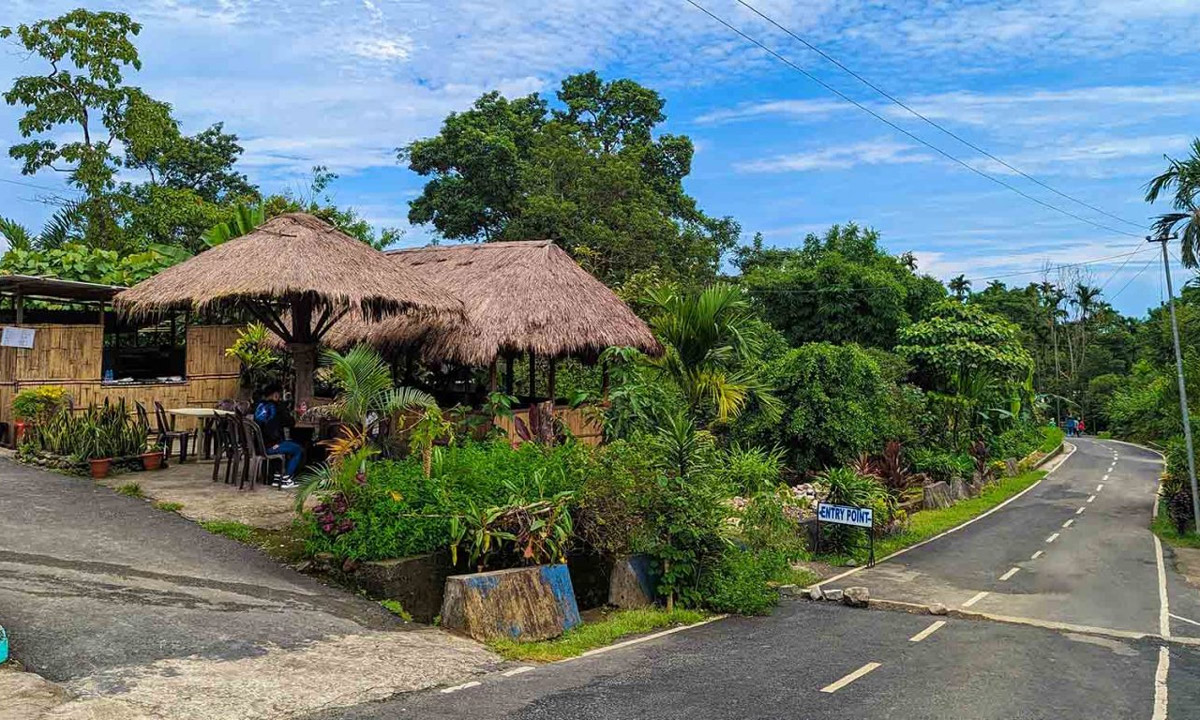
Tucked away in the lush hills of East Khasi Hills District, approximately 90 kilometers from Shillong, lies Mawlynnong – a village that has earned international acclaim as Asia's Cleanest Village. This pristine hamlet of around 600 residents has become a shining example of community-driven environmental stewardship, cultural preservation, and sustainable tourism. Affectionately known as "God's Own Garden," Mawlynnong represents what human settlements can achieve when cleanliness, education, and ecological consciousness become a collective way of life. 

The Legacy of Cleanliness: A Village Transformed

Mawlynnong's journey to becoming Asia's cleanest village began long before it received formal recognition. The village's obsession with cleanliness is deeply rooted in its cultural ethos and was catalyzed by a tragic cholera outbreak in the past that claimed many lives. This devastating experience imprinted upon the community the critical importance of hygiene and sanitation.

In 2003, the village received the prestigious title of "Cleanest Village in Asia" from Discover India magazine, followed by the "Cleanest Village in India" award in 2005. These accolades transformed Mawlynnong from an obscure agricultural settlement into a global symbol of environmental excellence.

What makes Mawlynnong's achievement truly remarkable is not merely the absence of litter, but the sophisticated community-based waste management system that has been maintained for generations. Every street corner features handwoven bamboo dustbins – conical baskets crafted by local artisans from indigenous bamboo. These eco-friendly receptacles collect all waste, which is then segregated meticulously. Biodegradable waste is composted and used as manure for the village's agricultural plots, while other materials are recycled or disposed of responsibly.

The village operates under a strict plastic ban, and smoking is prohibited throughout the community. Drains are properly laid and maintained, and every resident – from children to elders – participates in daily cleaning activities. This isn't enforced by external authorities; it is a community mandate passed down through generations, reflecting the Khasi people's deep respect for their environment. 

The Khasi Heritage: Matrilineal Society and Cultural Identity

Mawlynnong is predominantly inhabited by the Khasi tribe, one of the oldest matrilineal societies in the world. In Khasi culture, lineage, inheritance, and property pass through the female line. The youngest daughter, known as Ka Khadduh, inherits the family's ancestral property and assumes responsibility for caring for aging parents. This matrilineal system empowers women significantly, positioning them as leaders, decision-makers, and custodians of cultural traditions. 

In Mawlynnong, girls are raised to be leaders from a young age, managing household affairs, participating in village councils, and driving economic activities. The village's progressive environment for women coexists harmoniously with traditional Khasi customs, creating a unique social fabric that balances modernity with heritage.

The Khasi language, culture, and traditional practices remain vibrantly alive in Mawlynnong. Villagers continue to observe Khasi festivals, perform traditional music and dance, and maintain sacred groves – small patches of forest protected by local deities and considered spiritually significant. These groves serve as biodiversity reserves and remind the community of their ancestors' ecological wisdom.

100% Literacy: Education as a Community Priority

Beyond cleanliness, Mawlynnong boasts another remarkable achievement: a 100 percent literacy rate. This stands in stark contrast to many rural areas across India and reflects the community's deep commitment to education. The village has its own English medium primary school, which maintains an impressive zero dropout rate.

Education is valued as the gateway to empowerment, particularly for women. Parents ensure that every child, regardless of gender, receives quality education. This emphasis on learning has enabled the younger generation to engage with the wider world while remaining rooted in their cultural identity. Many educated youth return to the village to contribute to its development, particularly in the tourism sector, where they serve as guides, homestay operators, and cultural interpreters.

Economic Foundations: Agriculture and Sustainable Tourism

Historically, Mawlynnong's economy has been based on agriculture, with betel nut (areca nut) cultivation serving as the primary cash crop. The village was once renowned for its abundance of hollowed-out rocks used to ferment Kwai (betel nut), which remains an integral part of Khasi social and cultural life. Villagers also grow betel leaves, bay leaves, pineapples, oranges, papayas, local spices, and pepper

In recent years, tourism has emerged as a significant economic pillar. The influx of domestic and international visitors drawn by Mawlynnong's cleanliness and natural beauty has created new livelihood opportunities. Villagers have embraced community-based ecotourism, offering homestays, guided tours, and cultural experiences. These initiatives allow travelers to engage authentically with Khasi culture while ensuring that tourism revenue benefits the entire community rather than external operators.

Natural and Cultural Attractions

1. Sky View (Sky Watch) – Bamboo Observation Tower

One of Mawlynnong's most iconic attractions is the Sky View, an 85-foot-tall observation tower constructed entirely from bamboo and natural ropes. This eco-friendly ladder-like structure offers visitors a bird's-eye view of the village and the surrounding landscape. On clear days, one can see far into the plains of Bangladesh, which lies just a few kilometers away. The tower stands as a testament to indigenous engineering and the Khasi people's harmonious relationship with bamboo, a versatile material central to their architecture and crafts. Trawell.in

Climbing the Sky View is an exhilarating experience – the bamboo structure sways gently in the breeze, adding an element of adventure. From the square platform at the summit, visitors are rewarded with panoramic vistas of rolling green hills, emerald forests, neatly arranged village homes, and the distant horizon where India meets Bangladesh. 

2. Nohwet Living Root Bridge

Just a short trek from Mawlynnong lies the Nohwet Living Root Bridge in the nearby village of Riwai. This single-decker bridge is an extraordinary feat of bio-engineering, created over generations by training the roots of the Ficus elastica (rubber fig tree) to grow across streams. The Khasi people have perfected this ancient technique, weaving and shaping aerial roots into sturdy bridges that grow stronger with time.

The trek to the Nohwet Bridge involves descending approximately 75 steps through lush forest, crossing small streams, and navigating scenic trails. The bridge itself is functional and robust, capable of supporting multiple people simultaneously. Walking across this living structure – feeling the intertwined roots beneath your feet – is a humbling experience that connects visitors to centuries of indigenous knowledge and ecological ingenuity.

3. Balancing Rock

Another geological curiosity near Mawlynnong is the Balancing Rock, a massive boulder that appears to defy gravity as it rests precariously on a smaller stone base. This natural formation has become a popular photo spot and a symbol of nature's whimsical artistry. The area around the Balancing Rock is ideal for trekking, rappelling, and exploring caves, attracting adventure enthusiasts.

4. Dawki and the Umngot River

Located approximately 20 kilometers from Mawlynnong, Dawki is a small border town on the India-Bangladesh frontier, famed for the Umngot River – one of the clearest rivers in India. The water is so transparent that boats appear to float on air, creating surreal photographic opportunities. Visitors can enjoy boating, cliff diving, and simply marveling at the river's crystal-clear depths, which reveal every pebble on the riverbed.

Dawki is often combined with a visit to Mawlynnong as part of a day trip from Shillong, offering travelers a holistic experience of East Khasi Hills' natural wonders.

Community-Based Tourism and Homestays

Mawlynnong has successfully integrated tourism into its cultural and environmental fabric without compromising its core values. Homestays run by local families offer visitors an authentic glimpse into Khasi life. Guests sleep in traditional homes, share meals prepared with locally sourced ingredients, and participate in daily activities like fetching water, tending gardens, or weaving bamboo crafts. Mawlynnong Homestays

These homestays are modest yet comfortable, with clean facilities and warm hospitality. Hosts often share stories about the village's history, explain Khasi customs, and guide visitors to nearby attractions. This model ensures that tourism revenue flows directly to families and reinforces the community's commitment to preserving their heritage.

Planning Your Visit to Mawlynnong

How to Reach:

  • From Shillong: Mawlynnong is approximately 90 kilometers from Shillong, accessible via a scenic 2.5 to 3-hour drive through winding mountain roads. The route passes through Pynursla and offers stunning views of waterfalls, forests, and valleys. Shared taxis and private cabs are available from Shillong.
  • From Guwahati: Guwahati, the nearest major city with an airport and railway station, is around 135 kilometers from Mawlynnong (via Shillong). Travelers can hire taxis or take buses to Shillong and then proceed to Mawlynnong.
  • Combine with Dawki: Many travelers visit both Mawlynnong and Dawki in a single day trip from Shillong, covering approximately 20 kilometers between the two destinations.

Best Time to Visit:

  • October to April is ideal, offering pleasant weather, clear skies, and comfortable temperatures for trekking and sightseeing.
  • June to September (monsoon season) brings heavy rainfall, which enhances the lushness of the landscape and swells the rivers, but roads can become slippery and challenging.

What to Bring:

  • Comfortable trekking shoes for walks to the Living Root Bridge and Balancing Rock
  • Light, breathable clothing; a light jacket for cooler evenings
  • Reusable water bottles (avoid single-use plastic)
  • Camera for capturing the pristine scenery
  • Respect and openness to learn about Khasi culture

Cultural Sensitivity and Responsible Tourism:

  • Respect the plastic ban: Do not bring plastic bags, bottles, or wrappers into the village. Use the bamboo dustbins provided.
  • Participate in cleanliness: If you see litter (unlikely), dispose of it properly. Join in the community's cleanliness ethos.
  • Seek permission before photographing: Always ask locals before taking their pictures, especially during cultural activities.
  • Support local businesses: Purchase handicrafts, eat at local eateries, and stay in homestays to ensure your visit benefits the community.
  • Respect sacred sites: If you visit sacred groves or religious spaces, follow local customs and avoid disturbing the environment.

Testimonies: Voices from Mawlynnong

Visitors and researchers consistently praise Mawlynnong for its exemplary community spirit. An NPR article (2017) noted: "Welcome to 'The Cleanest Village in India'... With a population of around 500, Mawlynnong is nicknamed 'God's Own Garden' with tidy lanes and an emphasis on cleanliness that is unmatched." NPR

A New York Times feature (2018) highlighted how cleanliness became a tourist attraction, stating: "Mawlynnong proves that women empowerment and 100 percent literacy rate, both are achievable... The village demonstrates how clean living can attract visitors while preserving cultural identity." New York Times

Local resident testimonies emphasize collective responsibility. One villager shared: "Cleanliness is not a chore here; it is our identity. From childhood, we are taught that our environment is sacred, and it is our duty to protect it."

Challenges and the Road Ahead

While Mawlynnong's success is inspiring, it faces challenges typical of rapidly growing tourist destinations. The influx of visitors, while economically beneficial, risks straining infrastructure and diluting cultural authenticity. Overcrowding during peak seasons can pressure waste management systems and natural attractions.

The village's leadership, in collaboration with state tourism authorities, is working to manage tourism sustainably. Initiatives include limiting daily visitor numbers, promoting off-season travel, and investing in better sanitation facilities. Education programs ensure that young residents understand the importance of maintaining their heritage even as the world increasingly takes notice.

Lessons from Mawlynnong: A Blueprint for Sustainable Development

Mawlynnong offers valuable lessons for communities worldwide:

  1. Collective Action: Environmental stewardship requires the participation of every community member, not just government intervention.
  2. Cultural Pride: A strong sense of cultural identity and pride drives sustainable practices.
  3. Education Empowers: Literacy and education enable communities to engage with modernity while preserving traditions.
  4. Women's Leadership: Empowering women leads to better governance, cleaner environments, and more cohesive communities.
  5. Eco-Tourism as Economic Engine: When done responsibly, tourism can provide livelihoods without compromising ecological or cultural integrity.

Conclusion: God's Own Garden Awaits

Mawlynnong is more than a tourist destination; it is a living testament to what humanity can achieve when environmental consciousness, cultural pride, and community solidarity converge. Walking through its spotless lanes, climbing the bamboo Sky View, trekking to the Living Root Bridge, and sharing stories with Khasi families offers a transformative experience that lingers long after you leave.

As Asia's Cleanest Village, Mawlynnong challenges us to rethink our relationship with the environment and each other. It reminds us that sustainability is not a distant ideal but a daily practice rooted in respect, responsibility, and resilience. Whether you seek inspiration, adventure, or simply a moment of peace in God's Own Garden, Mawlynnong welcomes you with open arms and a promise: to show you the beauty that emerges when a community lives in harmony with nature.

Plan your journey to Mawlynnong – and discover a village that is cleaning up the world, one bamboo dustbin at a time.


References:

Location
Highlight
Yes

TASEK LAKE East Garo Hills, Songsak

TASEK LAKE East Garo Hills, Songsak

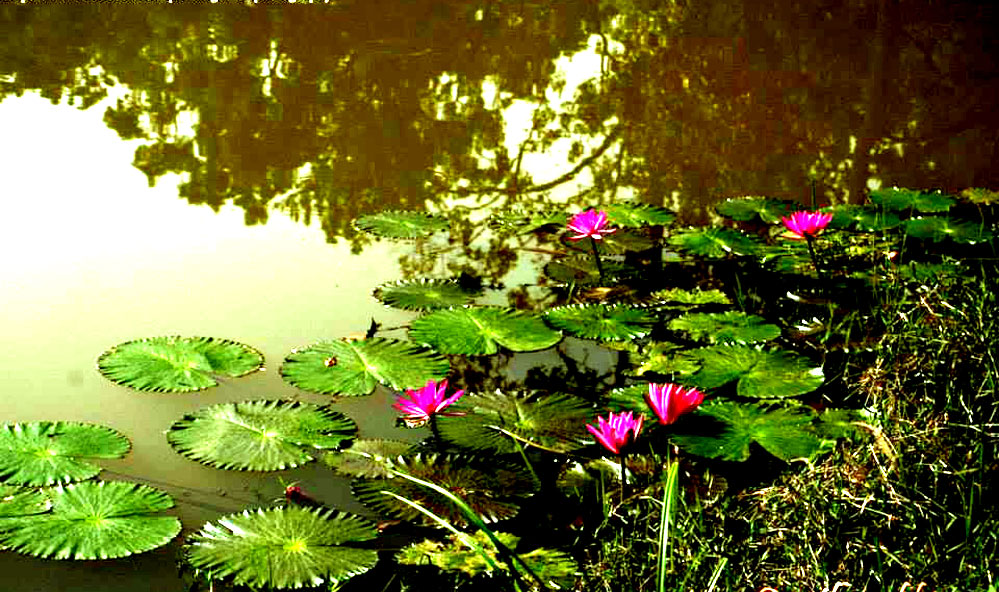
Situated near Songsak block, just off the Darugiri-Songsak road in the East Garo Hills district of Meghalaya, Tasek lake is a large inland lake which was created when the 1897 earthquake took place. The lake is formed by the Damring river and is said to be the home of a huge water serpent called Sangkini (monstrous snake) by the locals. Tasek lake has vast potential for pisciculture and the state government has lately established a major fishery there.

This natural inland lake serves as a suitable picnic spot and camping site, with its relaxing ambience and cool waters. One can also enjoy fishing here. Tourists can simply laze around in the wilderness of Mother Nature – East Garo Hills. Amidst the soothing environment, Tasek lake is a popular tourist spot.

How to reach: 

Nearest airport is the Guwahati Airport. Helicopters are available from Guwahati to Tura. Nearest railway station is Guwahati railway station. By road Guwahati to Tura is 219kms, via Shillong it is 323 kms. By road Tura to Williamnagar is 70.2 kms. From Williamnagar to Tasek lake is 45kms.

Best time to visit: 
September to May
Location

ELEPHANT FALLS: Shillong's Three-Step Cascade Where Colonial Names Meet Khasi Legends

ELEPHANT FALLS East Khasi Hills, Meghalaya
Audio
SoundHelix-Song-1.mp3
0:00 / 0:00

The Rock That Gave a Waterfall Its Name—Then Vanished

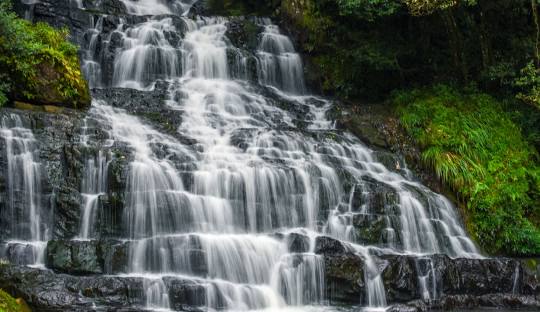
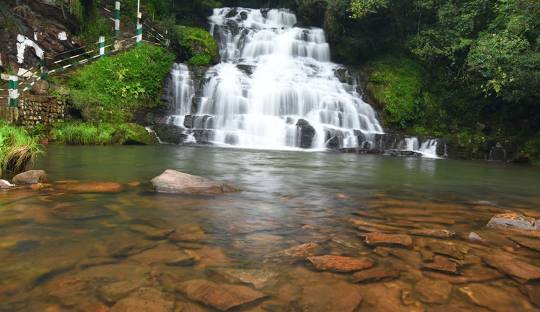
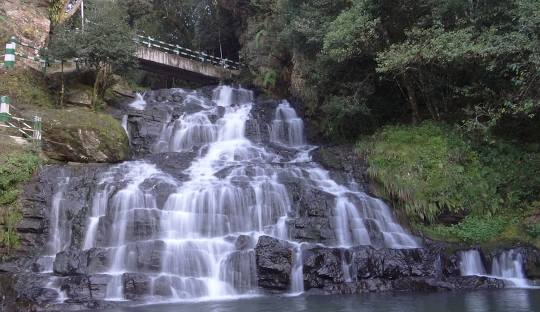
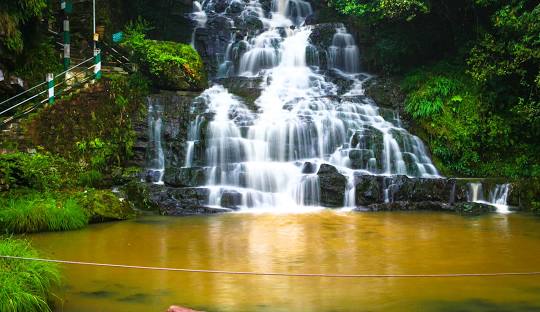
Twelve kilometers from Shillong's bustling Police Bazaar, down a winding road through subtropical pine forests and terraced hillsides, lies one of Meghalaya's most photographed waterfalls. The British called it Elephant Falls, naming it after a massive rock formation resembling a tusked giant that once stood sentinel beside the cascades. That rock—destroyed in the catastrophic 1897 Assam earthquake—has been gone for over a century. Yet the name stuck, even as locals continued to use its original Khasi name: Ka Kshaid Lai Pateng Khohsiew, "The Three Step Waterfall" (Wikipedia, 2026; Incredible India, 2026).

Today, Elephant Falls draws hundreds of visitors daily—families on weekend picnics, couples chasing Instagram moments, photographers hunting the perfect interplay of light through fern-covered rocks. It's accessible, well-maintained, and close enough to Shillong to fit into any day itinerary. But is it worth the hype, or just another over-touristed cascade trading authenticity for convenience?

Let's descend the 150 slippery steps and find out.


The Three Tiers: A Cascade in Three Acts

The Geology and Flow

Elephant Falls isn't a single dramatic plunge—it's a three-tiered descent totaling approximately 310 meters (1,017 feet) in cumulative height, though individual tier heights vary (Testbook, 2026). The water flows from mountain streams originating in the East Khasi Hills' subtropical broadleaf forests, tumbling over sedimentary rock formations shaped by millennia of erosion.

Tier by Tier:

  • First Tier (Hidden Falls): 20–30 steps down from the entrance; widest cascade, often partially obscured by dense vegetation; best monsoon flow
  • Second Tier (Râpet Falls): Additional 15–20 steps; narrow chute through moss-covered rocks; popular photography spot
  • Third Tier (Main Elephant Falls): Final 30–40 steps; most dramatic drop; misty spray zone; fern-covered cliff walls

The monsoon season (June–September) transforms the falls into a roaring spectacle, with peak flow in July–August. During winter (December–February), water levels recede significantly—some visitors report the falls looking "disappointing" or "barely flowing" in January (TripAdvisor, 2026). Spring (March–May) offers a middle ground: moderate flow with pleasant weather.

The Fern-Covered Fantasy

What makes Elephant Falls visually striking isn't just the water—it's the emerald tapestry of vegetation clinging to every rock surface. The East Khasi Hills' subtropical climate (heavy rainfall, high humidity, mild temperatures) creates ideal conditions for:

  • Pteridophytes (ferns): Over 50 species thrive in the mist zone, including tree ferns and aquatic varieties
  • Bryophytes (mosses and liverworts): Thick carpets covering boulders; crucial for water retention
  • Epiphytic orchids: Small species blooming in crevices during spring
  • Lichens: Grey-green crusts on exposed rock faces

This biodiversity isn't just aesthetic—it's ecological. The ferns and mosses slow water runoff, prevent erosion, and provide micro-habitats for insects, frogs, and small birds. A Facebook post by VanVagado (2020) noted: "Fern Elephant Falls... Pteridophytes play significant ecological roles, from forest understory plants contributing to biodiversity" (Facebook, 2020).


The 1897 Earthquake and the Lost Elephant

Colonial Naming and Natural Disaster

During the British Raj, colonial officers exploring Meghalaya encountered a massive boulder beside the falls' third tier—a rock formation with uncanny resemblance to an elephant's head, complete with a trunk-like protrusion. They rechristened the Khasi Ka Kshaid Lai Pateng Khohsiew as "Elephant Falls," a name that appeared on official maps and tourist brochures (Grokipedia, 2026; Kiomoi, 2024).

Then, on June 12, 1897, one of the most powerful earthquakes in recorded history struck Assam and the Shillong Plateau—magnitude 8.1, with epicenter near the Chedrang Valley. The quake killed an estimated 1,542 people, flattened buildings across Shillong, and triggered landslides throughout the Khasi Hills. Among the casualties: the elephant-shaped rock at Elephant Falls, shattered beyond recognition (Bilham, 1897 re-evaluation study; Indian Culture, 2026).

Yet the colonial name persisted—a linguistic fossil preserving a geological feature that no longer exists. As one Instagram post from September 2025 poignantly noted: "The falls earned their name during the British era, when a massive rock shaped like an elephant stood beside the cascades. Though the rock was lost in the devastating earthquake of 1897, the name lived on, carrying with it a piece of history" (Instagram, 2025).

The Khasi Name Lives On

Locals never abandoned Ka Kshaid Lai Pateng Khohsiew. The name is descriptive, practical, and rooted in centuries of Khasi oral tradition—no colonial mythology required. Many contemporary tour guides use both names interchangeably, acknowledging the duality: a British label clinging to vanished geology, and a Khasi phrase that simply describes what you see (Tripoto, 2024; Times of India, 2024).


Visiting Elephant Falls: The Ground Truth

Practical Information

Location: Upper Shillong, East Khasi Hills District, Meghalaya
Distance from Shillong: 12 km (30 minutes by taxi from Police Bazaar)
Entry Fee: ₹20 per person (Indians); ₹100 (foreigners); ₹20 (camera); ₹50–₹100 (Khasi traditional costume photo shoot—optional!)
Timings: 9:00 AM – 5:00 PM daily (some sources say 6:00 AM – 6:00 PM; official Meghalaya Tourism lists 6 AM – 6 PM)
Time Needed: 1.5–2 hours (includes all three tiers, photo stops, uphill return)

Getting There:

  • From Shillong Police Bazaar: Taxi ₹600–₹800 (one-way); ₹1,200–₹1,500 (return with waiting time, 2–3 hours)
  • Shared taxi: Sporadic; inquire at Bara Bazaar taxi stand
  • Self-drive: Well-paved road; ample parking (₹20–₹50)

Best Time to Visit:

  • June–September (Monsoon): Peak flow; dramatic cascades; slippery steps; crowds on weekends; best for waterfall photography
  • October–February (Winter): Reduced flow; clearer skies; pleasant weather (10–20°C); less crowded; best for comfortable hiking
  • March–May (Spring): Moderate flow; warm weather (15–25°C); occasional pre-monsoon showers; balanced experience

The 150-Step Descent (and Climb Back Up)

Reality Check: The steps are steep, uneven, and slippery—especially after rain. The descent is manageable for most fitness levels, but the return climb can be strenuous for seniors, young children, or those with knee issues. Benches are placed at intervals, but you'll likely need them.

Step Breakdown (approximate):

  • First tier: 20–30 steps
  • Second tier: Additional 15–20 steps (cumulative ~50)
  • Third tier: Final 30–40 steps (cumulative ~90–100)
  • Total (including connecting paths): 120–150 steps each way

Safety Tips (compiled from visitor reviews and official sources):

  • Wear non-slip shoes with good grip (not flip-flops or leather soles)
  • Use handrails religiously—they're installed for a reason
  • Go slowly on descent; most slips occur when rushing
  • Carry minimal gear—leave large bags in vehicle
  • Watch for moss patches on steps (they're extra slippery)
  • Avoid during heavy rain—steps become hazardous
  • Seniors/children: Consider stopping at Tier 2 if Tier 3 looks daunting

A TripAdvisor reviewer from May 2025 warned: "Beautiful three step falls with steps all the way down to the third tier. It's not too difficult to go down or to find way up due to railings most of the way, BUT the stairs can be slippery. Senior citizens and children should take special care" (TripAdvisor, 2026).


What People Are Actually Saying

The Honest Reviews

TripAdvisor (2024–2026):

  • "Elephant fall is a beautiful 3 tier water fall... Third fall is the best with very good viewing points" (December 2024)
  • "The best time to visit the falls would be during monsoon as when we visited it in Jan there was hardly any flow" (January 2026)
  • "It's a nice place, well maintained location and the scenic beauty of the site is awesome... There are three falls around the site" (May 2025)
  • "Around 120 steps in all and we can complete the visit in around 2 hours. Ticket price 100 and the name came from a rock on one side which resembles an elephant but now it's no more after an earthquake" (2025)

Instagram & Social Media (2024–2025):

  • "Elephant Falls – There is no trace of any elephant here, and I don't think any elephants have ever fallen here... but the three-tiered cascade is stunning!" (November 2024)
  • "Day 2. Meghalaya. Shillong. Visited the 3 stepped Elephant waterfalls. The weather stalled for us to do the 150 slippery steps down and up... Worth it!" (August 2023)

Facebook (2025):

  • "Sadly, that iconic elephant-shaped rock was destroyed in the great earthquake of 1897… yet the name remained, and so did the magic of the falls!" (April 2025)
  • "Addictive combination of rainfall and waterfall in Shillong... The elephant falls consist of three layers of falls at three different points which are accessible to the tourist visiting the falls" (October 2018)

Photography Tips from Locals

A Local Guides Connect post from November 2025 shared: "Perfect Photography Spot: As you can see from my shot, the interplay of light and shadow through the dense foliage is a dream for photographers" (Local Guides Connect, 2025).

Best shots:

  • Tier 2: Morning light (8:00–10:00 AM) creates sun rays through mist
  • Tier 3: Wide-angle lens captures full cascade with fern-framed foreground
  • Monsoon: Use fast shutter speed (1/500s+) to freeze water motion; slow shutter (1–2s) for silky flow effect
  • Avoid midday: Harsh overhead light washes out details


Crowds and Commercialization: The Trade-Offs

Weekend vs. Weekday Reality

Elephant Falls' proximity to Shillong makes it a magnet for weekend crowds—expect 200–300+ visitors on Saturdays/Sundays during peak season (June–August, December–January). A Kiomoi travel article advised: "The falls can get crowded, especially at some stages at weekends and holidays. To experience a more peaceful trip, plan your go-to early" (Kiomoi, 2024).

Weekday mornings (9:00–11:00 AM) offer the best balance: fewer people, better light, cooler temperatures.

The Commercial Touches

At the entrance, you'll find:

  • Khasi costume photo booths: ₹50–₹100 for traditional dress + photo
  • Snack vendors: Momos, chips, tea (₹20–₹50)
  • Souvenir stalls: Local handicrafts, keychains, postcards
  • Restrooms: Basic facilities (₹5–₹10)

Some visitors appreciate the convenience; others lament the "touristy" feel. A balanced perspective: It's accessible tourism done reasonably well—not pristine wilderness, but not Disneyfied either.


Nearby Attractions: Building a Shillong Day Itinerary

Shillong Peak (15 km from Elephant Falls):
Highest point in Shillong (1,965 m); 360° views of city, Bangladesh plains, and Himalayas (on clear days); entry ₹10

Ward's Lake (10 km):
Horseshoe-shaped colonial-era lake; boating, gardens, cafés; entry ₹10

Don Bosco Museum (9 km):
Seven-story indigenous cultures museum; Meghalaya's tribal heritage; entry ₹100

Laitlum Canyons (28 km):
Dramatic gorge viewpoints; trekking; "end of the hills" in Khasi; becoming popular Instagram spot

Sample Half-Day Itinerary (4–5 hours):

  • 8:00 AM: Start from Shillong → Elephant Falls (arrive 8:30 AM)
  • 8:30–10:30 AM: Explore all three tiers, photos, snacks
  • 11:00 AM: Shillong Peak (30 min stop)
  • 12:00 PM: Ward's Lake (lunch, boat ride)
  • 1:30 PM: Return Shillong or continue to Don Bosco Museum


The Ecological Context: Meghalaya's Subtropical Forests

Elephant Falls sits within the Meghalaya Subtropical Forests ecoregion, part of the Eastern Himalayas biodiversity hotspot. The Khasi and Garo Hills support:

  • 5,000+ plant species (including 325 orchids)
  • 100+ mammal species (elephants, leopards, slow loris, hoolock gibbons)
  • 650+ bird species (25% of India's avifauna)

The forest around Elephant Falls—though disturbed by tourism and roadbuilding—retains pockets of subtropical broadleaf and pine forests, with:

  • Pinus kesiya (Khasi pine) dominating upper slopes
  • Schima wallichii, Castanopsis, and Lithocarpus (oaks) in valleys
  • Extensive epiphytic flora: ferns, mosses, orchids, lichens

According to the Meghalaya Biodiversity Board: "These forests are exceptionally rich in epiphytic flora comprising Ferns, Lichens, Mosses, Orchids, Zingibers, etc." (Meghalaya Biodiversity Board, 2017).


The Verdict: Is Elephant Falls Worth Your Time?

Visit Elephant Falls if you:

  • Want an easy, accessible waterfall experience near Shillong
  • Have limited time (half-day itinerary)
  • Are traveling with family or seniors (manageable steps with breaks)
  • Love fern-covered landscapes and subtropical forest ambiance
  • Visit during monsoon (June–September) for dramatic water flow

Skip (or lower expectations) if you:

  • Seek wilderness solitude—this is a commercial tourist site
  • Only have winter dates (December–February)—water flow may disappoint
  • Dislike crowds—weekends can feel like rush hour
  • Have mobility issues—150 steps with no elevator option
  • Compare every waterfall to Nohkalikai or Seven Sisters (Elephant Falls is pretty, not jaw-dropping)

Honest Assessment: Elephant Falls is Shillong's convenient cascade—close, accessible, photogenic, and well-maintained. It won't blow your mind like Cherrapunji's giants, but it delivers on its promise: a pleasant half-day outing blending nature, history, and just enough commercialization to be comfortable. The lost elephant-rock story adds charm; the three-tier descent offers variety; the fern-covered walls satisfy Instagram.

Go with realistic expectations, visit during monsoon or early morning on weekdays, and you'll likely leave satisfied. Go in winter expecting Niagara, and you'll be disappointed.


Essential Information at a Glance

CategoryDetails
LocationUpper Shillong, East Khasi Hills, Meghalaya
Distance from Shillong12 km (~30 minutes)
Distance from Police Bazaar12 km
Khasi NameKa Kshaid Lai Pateng Khohsiew (Three Step Waterfall)
Entry FeeIndians ₹20; Foreigners ₹100; Camera ₹20
Timings9:00 AM – 5:00 PM (some sources: 6 AM – 6 PM)
Steps~120–150 (steep, slippery)
Time Needed1.5–2 hours
Best TimeJune–September (monsoon); October–November (post-monsoon)
DifficultyModerate (steps challenging for seniors/children)
FacilitiesParking, restrooms, snack vendors, souvenir stalls
Nearby AttractionsShillong Peak (15 km), Ward's Lake (10 km), Don Bosco Museum (9 km)
Mobile NetworkGood (Airtel, Jio, Vodafone)
SafetyNon-slip shoes essential; avoid heavy rain; use handrails

Contacts:

  • Meghalaya Tourism: www.meghalayatourism.in
  • Shillong Tourism Office: +91-364-2226920
  • Emergency: Shillong Police 100; Civil Hospital +91-364-2224047


References & Sources

Highlight
Yes

WARD'S LAKE: SHILLONG'S HORSESHOE OF TRANQUILITY

Wards Lake
Wards Lake
Wards Lake
Audio
SoundHelix-Song-1.mp3
0:00 / 0:00

A Colonial Romance, 130 Years in the Making

Just a leisurely 10-minute stroll from Police Bazaar, where the hum of Shillong's shopping district fades into whispers of pine-scented air, lies a horseshoe-shaped sanctuary that has stolen hearts for over a century. Ward's Lake—or Nan Polok as locals affectionately call it—is where colonial grandeur meets botanical serenity, where cherry blossoms drift onto glassy waters, and where the iconic white bridge has launched a thousand Instagram posts (and probably a few marriage proposals).

Built in 1894 by the visionary Chief Commissioner Sir William Ward and engineered by Colonel Hopkins, this artificial lake isn't just Shillong's prettiest picnic spot—it's a living postcard from the British Raj, lovingly preserved by the Meghalaya Forest Department Times of India.


The Story Behind the Name: Sir William Ward's Vision

Sir William Ward served as the Chief Commissioner of undivided Assam in the late 19th century. Known for his progressive approach to urban planning, Ward envisioned a recreational space where British officials and local residents could escape the administrative grind. Colonel Hopkins, a skilled engineer, transformed this vision into reality, creating an artificial lake surrounded by landscaped gardens East Khasi Hills Government.

The lake is also called Pollock's Lake (Nan Polok in Khasi) after a British engineer named Pollock who contributed to its development—though Sir William Ward remains the name that stuck Wikipedia.


The Horseshoe Design: Engineering Meets Aesthetics

Ward's Lake follows a distinctive horseshoe shape, curving gracefully through the botanical gardens like a liquid embrace. This wasn't just aesthetic whimsy—the design maximized water surface area within a compact urban footprint while creating varied vantage points for visitors Grokipedia.

Key Features:

  • Clear, calm waters stocked with koi fish and visited by ducks and swans
  • Grassy slopes descending to the water's edge—perfect for picnics
  • Paved walking/jogging paths encircling the lake (~1 km loop)
  • Botanical gardens with seasonal flower beds, rhododendrons, and orchids
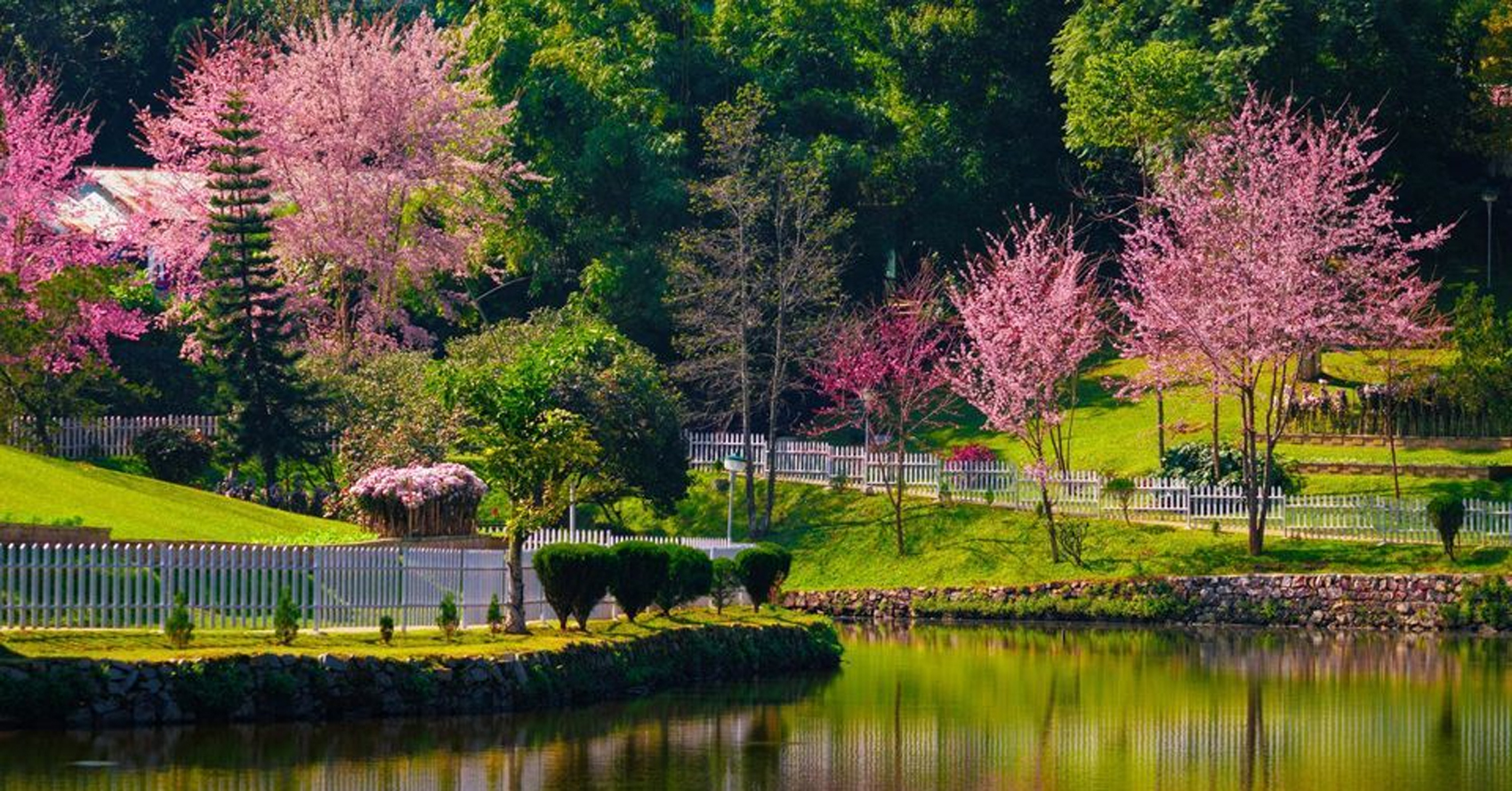
  • Cherry blossom trees that transform the park into a pink paradise each November


The Iconic Bridge: Shillong's Most Photogenic Spot

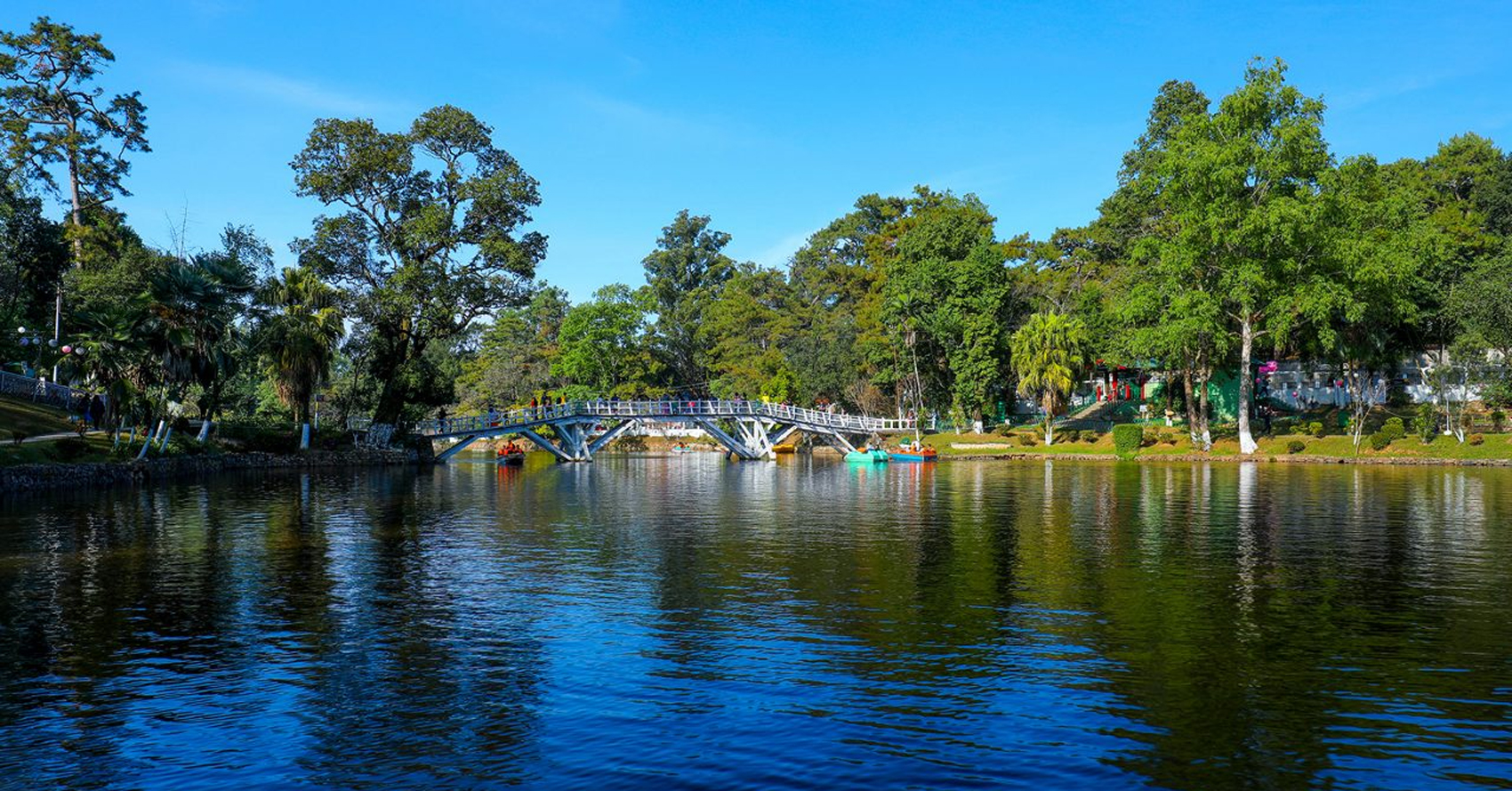
If Ward's Lake has a superstar, it's the white arched bridge that gracefully spans the water. This elegant wooden (now reinforced) structure is:

  • The most photographed landmark in the park
  • A favorite for pre-wedding shoots and couple portraits
  • The ideal vantage point to watch koi fish glide beneath the planks
  • Particularly stunning during cherry blossom season when petals carpet the bridge

A 2026 TripAdvisor reviewer gushes: "The white bridge at Ward's Lake is pure magic during sunset. The way the light hits the water and reflects off the blossoms—it's like stepping into a painting." TripAdvisor


Cherry Blossom Season: When Ward's Lake Becomes a Fairytale

Every November, Ward's Lake becomes the centerpiece of Shillong's Cherry Blossom Festival, when Himalayan cherry trees (Prunus cerasoides) burst into bloom, dusting the lake with pink petals Wanderlog.

Why It's Special:

  • Petals float on the lake surface like confetti
  • The white bridge becomes framed by pink blossoms
  • Boat rides feel like gliding through a Monet painting
  • Cultural performances and music add to the festive atmosphere

Pro Tip: Visit during the first two weeks of November for peak blooms. Mornings (8:30-10:00 AM) offer softer light and fewer crowds.


Boating: Paddle Your Way to Peace

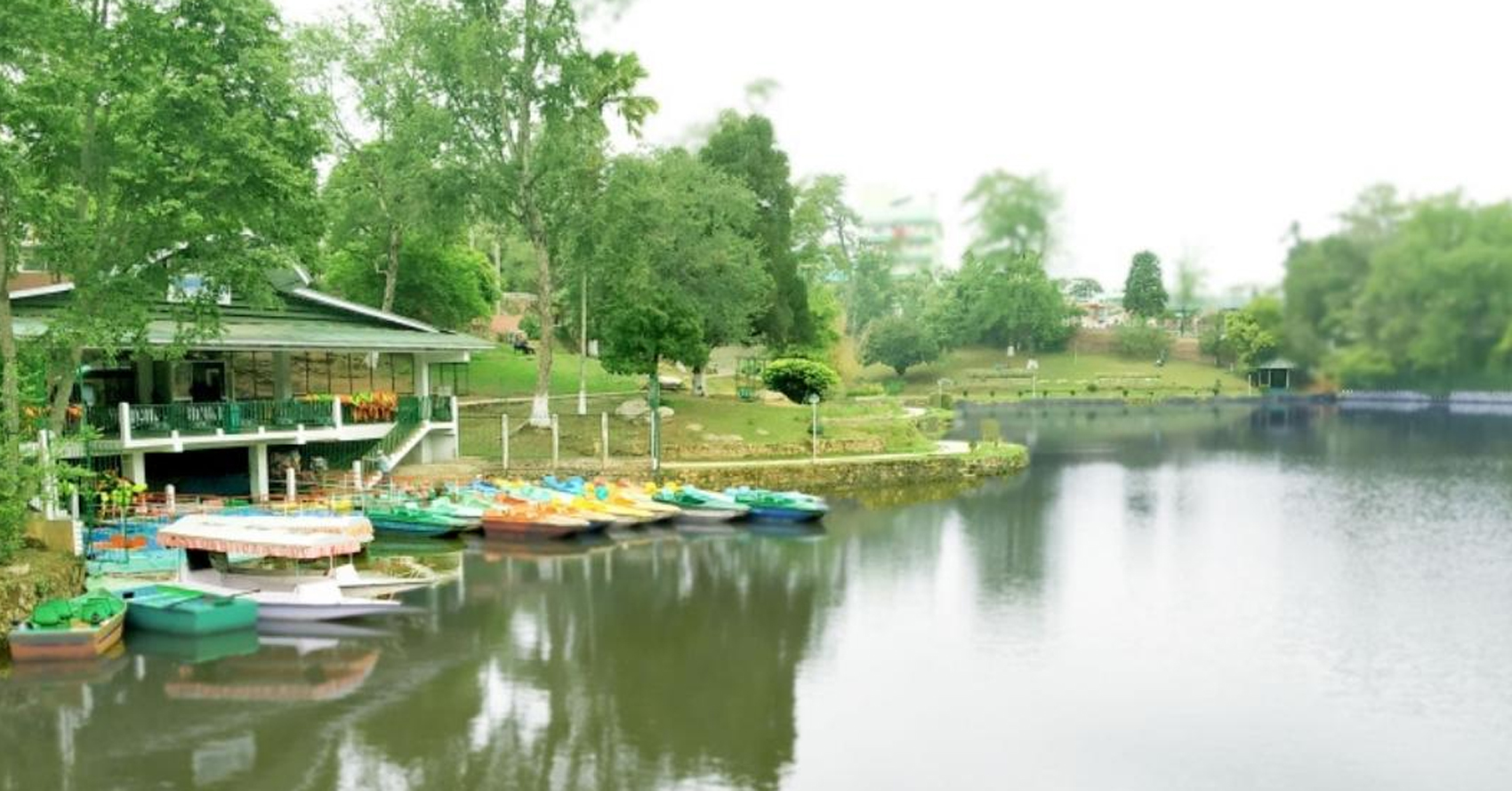
One of Ward's Lake's biggest draws is paddle boating, available year-round (weather permitting).

Details:

  • Cost: ₹250-₹300 for 30-40 minutes (4-seater boats)
  • Experience: Glide across calm waters, duck under the arched bridge, feed the ducks (bring your own bird-safe food)
  • Best Time: Late afternoon (4:00-6:00 PM) for golden-hour glow
  • Who It's For: Couples seeking romance, families with kids, photographers hunting reflections

An Instagram post from July 2025 notes: "Boating at Ward's Lake is so relaxing. The atmosphere is calm, perfect for walks, reading, or quiet conversations." Instagram


The Botanical Gardens: A Riot of Color

Surrounding the lake is a meticulously maintained botanical garden showcasing Meghalaya's floral diversity:

Flora Highlights:

  • Rhododendrons: Deep reds and purples (spring bloom)
  • Orchids: Native species along shaded pathways
  • Roses: Seasonal displays in dedicated beds
  • Marigolds & Dahlias: Vibrant bursts during autumn
  • Cherry Blossoms: The November showstoppers

The Forest Department—which manages the park—employs full-time gardeners who ensure year-round blooms. A 2026 TripAdvisor review praises: "The Forest department is doing a splendid job of maintaining the lawns, the gardens, and the lake itself." TripAdvisor Ireland


Wildlife: Ducks, Swans & Koi

Ward's Lake isn't just for humans—it's home to a resident wildlife community:

  • Ducks: Mallards and local species paddle near the shores, happily accepting breadcrumbs from visitors
  • Swans: Occasionally spotted gliding across the water
  • Koi Fish: Colorful carp visible beneath the bridge and near feeding areas

Children especially delight in the duck-feeding experience (though officials encourage bringing bird-safe food rather than processed bread).


Lakeside Café: Sip, Savor, Soak It In

Perched overlooking the water is a cafeteria/restaurant offering:

  • Chai & Coffee: Perfect for lakeside sipping
  • Snacks: Samosas, pakoras, sandwiches
  • Light Meals: Thalis and noodle dishes
  • Desserts: Ice cream and local sweets

Ambience: Outdoor seating with direct lake views; ideal for post-walk refreshments or lazy afternoon reading sessions.


Practical Information: Plan Your Visit

DetailInformation
Official NameWard's Lake (Nan Polok / Pollock's Lake)
LocationWalking distance from Police Bazaar (10 min walk)
Entry Fee₹10-₹20 (adults); ₹5-₹10 (children); 50% off for senior citizens
TimingsSummer (Mar-Oct): 8:30 AM - 7:00 PM; Winter (Nov-Feb): 8:30 AM - 5:30 PM
Boating Cost₹250-₹300 for 30-40 minutes (4-seater)
Visit Duration1-2 hours
Best TimeOctober-March; mornings (8:30-11 AM) or evenings (4-6 PM)
Plastic PolicyPlastic-free zone; deposit bottles at entrance

Note: Entry fees may be slightly higher during Cherry Blossom Festival (November).


How to Reach

From Police Bazaar:

  • Walking: 10 minutes (approximately 1 km) - the most convenient option!
  • Simply head towards the city center; Ward's Lake is well-signposted

From Other Parts of Shillong:

  • Taxi/Auto: ₹50-₹100 from outlying areas

From Outside Shillong:

  • By Air: Umroi/Shillong Airport - 29 km; taxi to city center
  • By Train: Guwahati Railway Station - 105 km; 3-hour drive to Shillong
  • By Road: 100 km from Guwahati via NH6 Travel Triangle

Pro Tip: If you're staying near Police Bazaar or anywhere in central Shillong, skip the taxi and walk. The 10-minute stroll through Shillong's streets is part of the experience!


Photography Tips: Capture the Magic

Best Shots:

  1. The White Bridge: Golden hour (6:00-7:00 PM summer, 4:00-5:00 PM winter) for warm backlighting
  2. Cherry Blossom Reflections: Shoot downward from the bridge to capture petals on water
  3. Duck Interactions: Kids feeding ducks make heartwarming candid shots
  4. Wide Garden Views: From elevated spots near the café, capturing the full horseshoe curve

Camera Fee: May be charged separately (₹10-₹20); confirm at entrance.


Sustainability: The Plastic-Free Pledge

Ward's Lake is proud to be a plastic-free zone. Visitors must deposit plastic bottles and containers at the entrance, where they're collected for recycling TripAdvisor.

This initiative keeps the lake pristine, protects wildlife, and sets an example for sustainable tourism practices across Meghalaya.


Nearby Attractions: Build Your Walking Itinerary

All within easy walking distance:

  • Police Bazaar (10 min walk): Shopping, dining, local market
  • Lady Hydari Park (15 min walk): Mini zoo and butterfly museum
  • Don Bosco Museum (20 min walk): Seven-storey cultural center
  • All Saints Cathedral (25 min walk): Gothic architecture gem

Half-Day Walking Itinerary:

  1. 9:00 AM: Start at Police Bazaar - breakfast and chai
  2. 9:30 AM: Walk to Ward's Lake (10 min) - boat ride, garden stroll (1.5 hours)
  3. 11:30 AM: Walk to Lady Hydari Park (15 min) - explore zoo and gardens (1 hour)
  4. 1:00 PM: Walk back to Police Bazaar for lunch


Visitor Testimonials: What Travelers Say

From TripAdvisor (2026): "Enchanting experience. The expanse and greenery around the lake was nothing but magical. Great ambience—a must-visit in Shillong."Ravi M, Mumbai

"Good place to unwind. The lake is neat and clean with a huge garden surrounding it. You definitely need 1-2 hours here."Anjali K, Delhi TripAdvisor NZ

From WanderOn (2025): "Ward's Lake looked magical with cherry blossoms in full bloom. The whole place felt calm, colorful, and picture-perfect—such a soothing spot!" WanderOn


Best Time to Visit: Seasons & Hours

By Season:

  • October-March: Best overall—pleasant weather, flowers in bloom, clearest skies
  • November: Peak cherry blossom season (don't miss it!)
  • April-June: Warmer; occasional pre-monsoon showers
  • July-September: Monsoon—wet, foggy, fewer visitors

By Time of Day:

  • Morning (8:30-11:00 AM): Fresh air, softer light, fewer crowds
  • Afternoon (2:00-4:00 PM): Warmer, busier, good for social atmosphere
  • Evening (4:00-7:00 PM summer): Golden hour magic, romantic ambiance


The Verdict: Is Ward's Lake Worth Visiting?

Absolutely—especially if:

  • You're already in Police Bazaar (it's literally a 10-minute walk!)
  • You appreciate colonial-era architecture and landscaping
  • You're visiting during cherry blossom season (November)
  • You need a peaceful urban escape
  • You enjoy low-key activities (boating, walking, photography)

For ₹10-₹20, Ward's Lake offers exceptional value—a 130-year-old slice of history, year-round botanical beauty, and the kind of serenity that makes you forget you're in a bustling city.

Final Tips

  1. Walk from Police Bazaar—no need for transport!
  2. Visit during weekdays for fewer crowds
  3. Bring cash (no card facilities)
  4. Wear comfortable walking shoes
  5. Pack a book or sketchpad for lakeside relaxation
  6. Check cherry blossom updates on shillong.com before November visits
  7. Respect the plastic-free policy—bring reusable water bottles
  8. Arrive before 6:00 PM (summer) or 4:30 PM (winter) to enjoy before closing

Sources & Further Reading

Get Directions 

Highlight
Yes

CATHEDRAL CHURCH SHILLONG

CATHEDRAL CHURCH SHILLONG

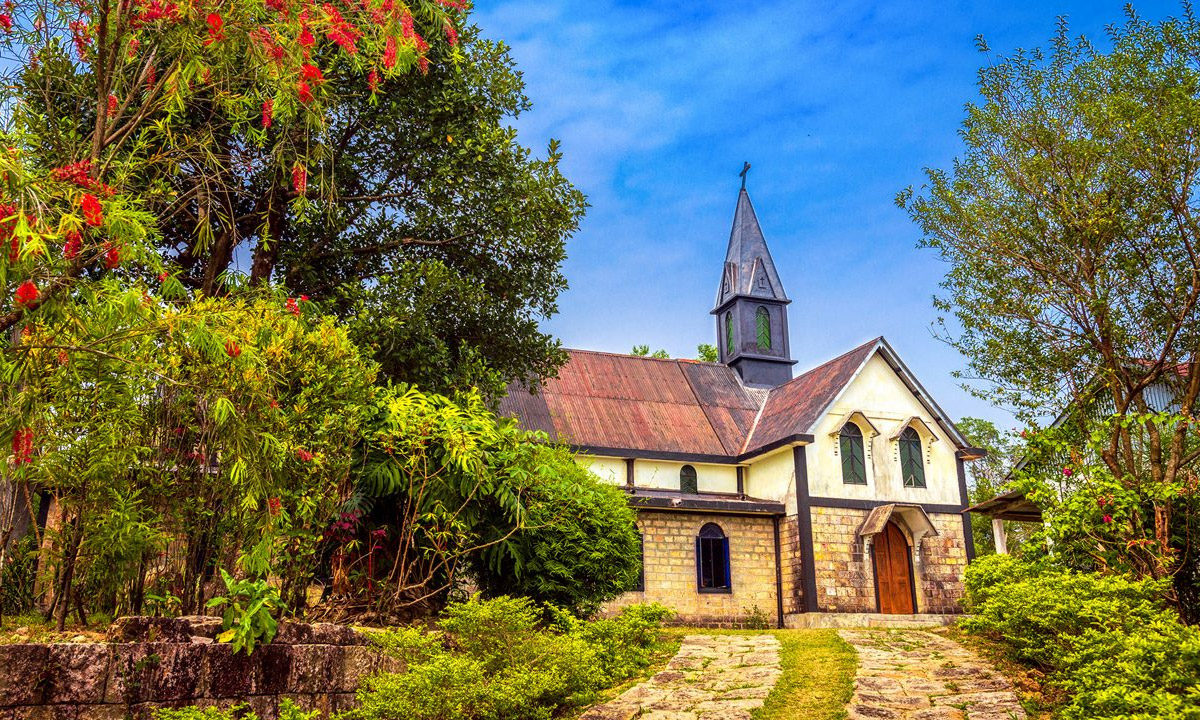
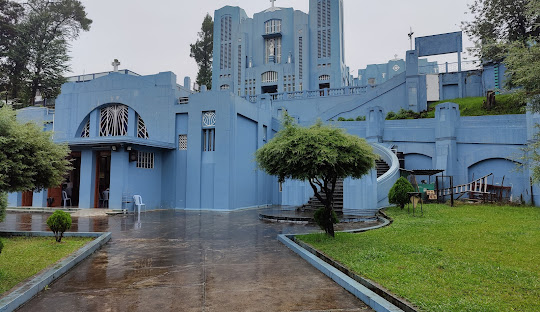
Known as the Cathedral of Mary Help of Christians, the Cathedral Church, situated in the Laitumkhrah locality of Shillong, is one of the most elegant churches which attract a great number of tourists. Since the church has the throne of the Bishop, it is referred to as Cathedral Church. This 50-year-old historical shrine of peace and sanctity is designed in the Gothic architectural style with high arches and stained glass windows. It provides a remarkable sight amidst lush green lawns.

One of the most unique and interesting feature of the church is the fact that it is built on sand and not on rock. Since Shillong is prone to earthquakes, the church has been erected on sand to combat and absorb the shocks. The grave of the first Archbishop of Shillong, Late Rt.Rev. Hubert D’Rosario, stands on this church. The main place of worship for 3,00,000 Catholics in the area, the church is a pride for them. Special church services are held every Wednesday.

People from diverse religious backgrounds come here to offer their prayers, seek blessings and divine favours through the intercession of the Blessed Virgin Mary. The Cathedral Church serves as a prominent landmark of Shillong with its hilltop location and charming architectural design.

Visiting Hours: Monday to Saturday - 7am to 6.30pm, Sunday – 8am to 6.30pm.

How to reach: 

Nearest airport is the Guwahati Airport. Helicopters are available from Guwahati to Shillong. Nearest railway station is Guwahati railway station, which is 176 kms from Shillong.
By road, NH-17/Nh-37 and NH-51 has to be taken. Shillong Police Bazar is 2.2kms away from the Cathedral Church.

Best time to visit: 
Throughout the year
Location

MADINA GLASS MOSQUE East Khasi Hills, Meghalaya

MADINA GLASS MOSQUE East Khasi Hills, Meghalaya

Have you ever been to Laban? Laban, the name of a tiny place atop the Meghalaya capital city throb with the tourist footfalls in season and out of season. The focus here is Madina Mosque. Come to Laban and catch a glimpse of the Mosque just beside the historic garrison ground.

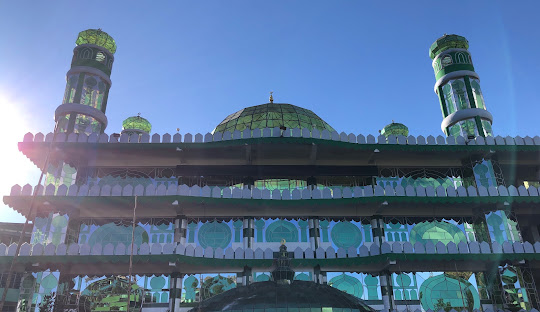
Herein you can spot the wonderful 120 feet high glass mosque, first of the kind in the country. The unique feature that strikes the attention of the mosque: it opens for women to participate in the prayers beside the clam Umshyrpi stream. Other features that beckon the tourists include a library and an orphanage home.

Tourists throng the mosque premises to get mesmerized by its an architectural marvel. It took one and a half years to complete the structure which is comparable to the Blue Mosque. Just come to the Idgah complex in Laban and see the real beauty of the green mosque.  

Tourists who throng here can’t resist the temptations of striking benefits from the library which is treasure house of knowledge of the Islamism. The rarest of rare moment is a serene view of the Idgah beside the mosque on the occasion of the eid. But the, donors, mostly, are said to be Hindus who wanted the Rs.2 crore mosque to be built in the Meghalaya capital city.  

Tourists, mostly, take delight in the gardening near the Idgah where varieties of flower keep blooming beautifully apart from cardamom, cinnamon and clove. There is dearth of straight roads leading to Laban in the capital city where the country’s beautiful blue mosque houses much to the delight of the people of all castes, creeds and religions. Pick up a taxi and make the joyride more breath taking. Don’t miss the serene view of the complete Shillong.  

How to reach:

Nearest Airhead :Helicopter, Guwahati to Shillong
Nearest Railway Station: Guwahati,176 Kms
National Highway: NH17/NH37 and NH 51
Shillong police Bazaar to Madina mosque Laban 15 min (5.1 km) via MDR32

Best time to visit:

Throughout the whole year

MAHADEV KHOLA DHAM East Khasi Hills, Meghalaya

MAHADEV KHOLA DHAM East Khasi Hills, Meghalaya

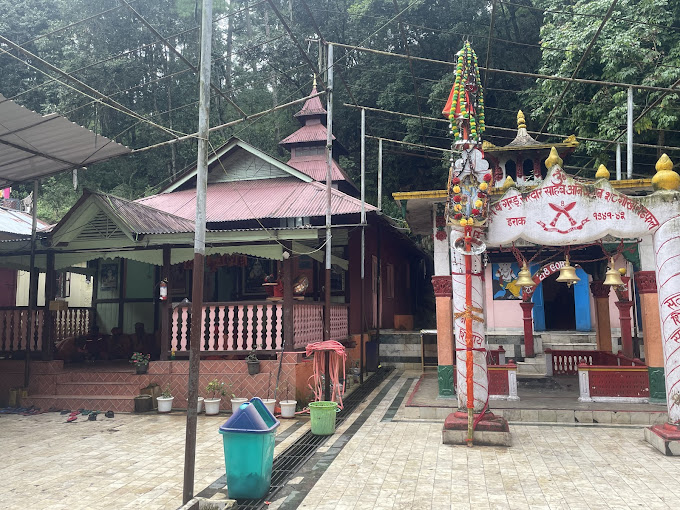
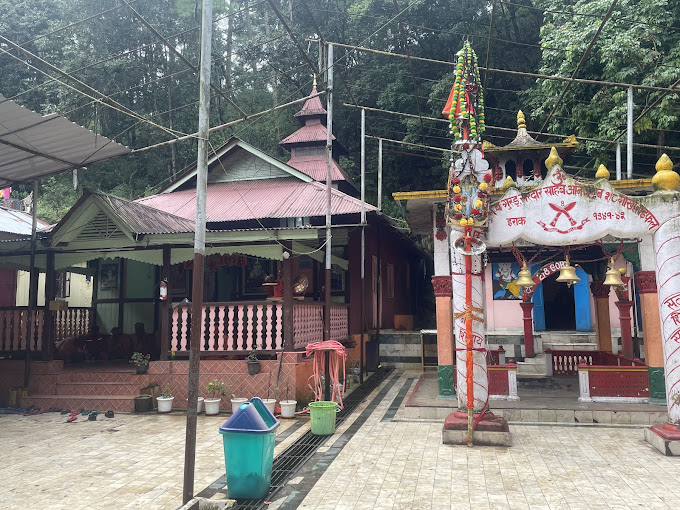
The temple tells the real story atop the abode of cloud. Only you need to travel 5 KM in the upper portion of the capital city. It’s the wonderful temple of The River Umshyrpi drifts that strikes the attraction of thousands of tourists and pilgrims in the outskirt of the Meghalaya capital city. Its history is magnificent.  Popularly known as Mahadev Khola dam, it is a 150 years old temple providing much space for the Shiva devotees. It is popularly believed to have been set up by a saint 150 years back when the entire area was a dense jungle.
 
An army major dreamt there of a red robbed saint with a string in his  hands. It was at his instance the army officer set up the temple where he looked after the saint. He, futher, foud out the Shivaling to offer pujas to the Lord Shiva. This is what the beginning of the temple that beckons many tourists who visit the spot cutting across the castes, creeds and beliefs. It welcomes the tourists from atop the Upper Shillong at a stone’s throw distance from the 101 Canteen area. Those traveling on cars need not be worried. Parking space is the additional advantage. 
 
According to popular belief, there was a time when the entire area was bushy. Later, a section of devotees installed the idols of other gods and goddesses to be worshiped in and around the area. The temples of Gauri Shankar Mahadev,Ganesh Durga,Lakshman Parivar,Surya Narayan,Bajrang Bali welcome no less devotees from sun rise to sun set. You will get to see a wonderful cave here connecting, perhaps, to the Kamakhya temple in Guwahati.     
Now a days, Yagnas and marriages are regular events in this spot. So make it an occasion to visit the spot.   

How to reach: 

Nearest airport is the Guwahati Airport. Helicopters are available from Guwahati to Shillong. Nearest railway station is Guwahati railway station, which is 176kms from Shillong. By road, NH-17/Nh-37 and NH-51 has to be taken. Shillong Police Bazar is 5.1kms away from Mahadev Khola Dham.

Best time to visit: 
Throughout the whole year
Location

Don Bosco Museum: Asia's Cultural Time Capsule

Don Bosco Museum, East Khasi Hills, Meghalaya
Audio
SoundHelix-Song-1.mp3
0:00 / 0:00

Seven Floors, 160 Tribes, One Extraordinary Journey Through Northeast India (Updated: January 2026)


Introduction: Where Heritage Meets Architecture

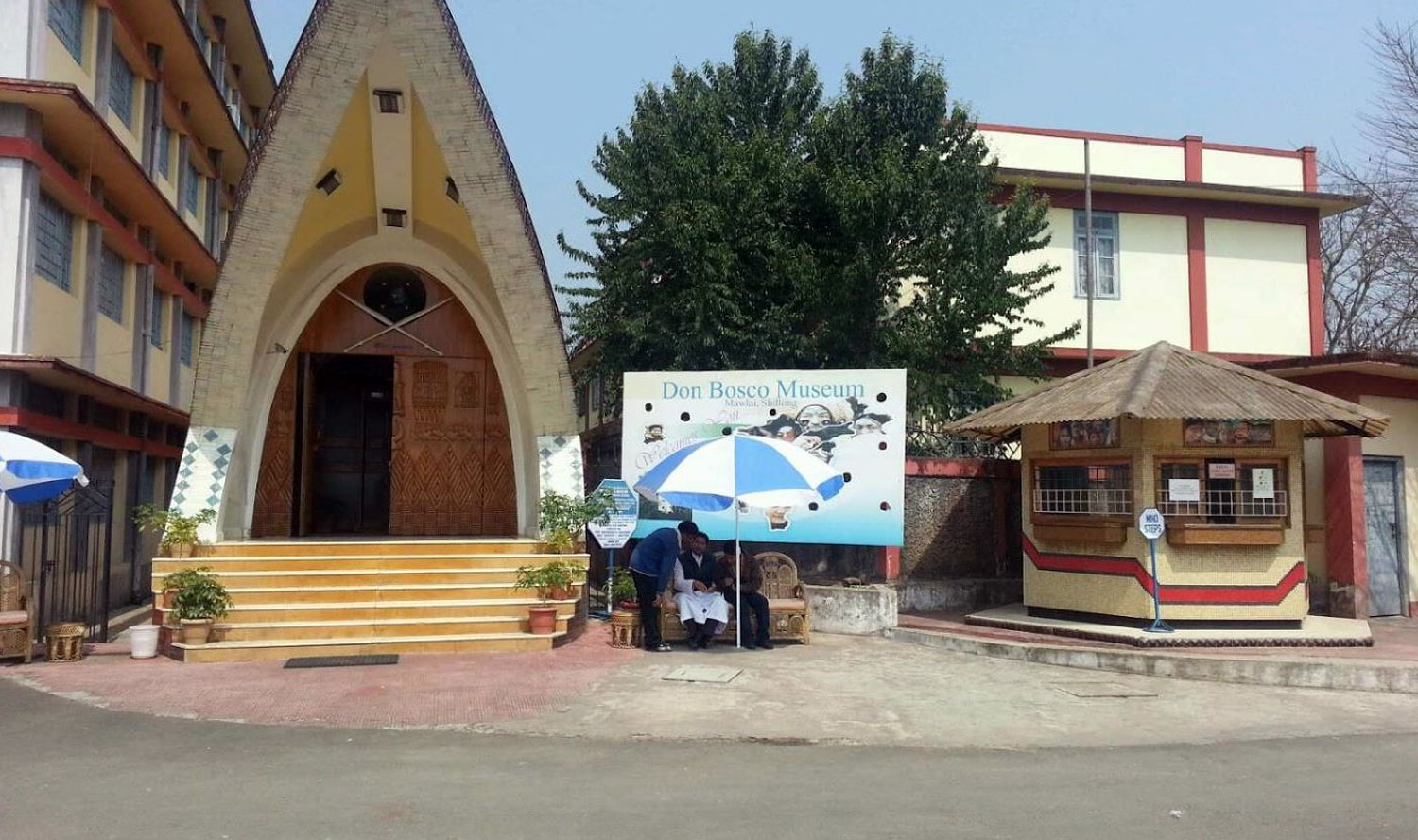
Rising like a honeycomb from the Mawlai hills, just 3 kilometers from Shillong's bustling Police Bazar, the Don Bosco Centre for Indigenous Cultures stands as one of Asia's most ambitious ethnographic projects. This seven-story architectural marvel—officially recognized as Asia's largest museum dedicated to indigenous cultures—houses over 21 galleries showcasing the living traditions of more than 160 tribal communities across Northeast India's seven sister states.

Established in 2003 by the Salesians of Don Bosco under the patronage of then-Governor Shri K.K. Paul, the museum transcends conventional exhibition spaces. It's a cultural time machine where Naga warriors' spears hang beside Khasi fishing nets, where Garo drums echo with Mizo folk songs, and where every floor unfolds a new chapter of humanity's relationship with the land, spirit, and community.

The Seven-Story Journey: Floor by Floor

The museum's hexagonal structure is no accident—each of the seven floors symbolizes one of the seven northeastern states: Assam, Meghalaya, Manipur, Mizoram, Nagaland, Tripura, and Arunachal Pradesh. As you ascend through the galleries, you journey through time, terrain, and tradition.

Ground Floor – Origins & Pre-History
Fossils, archaeological finds, and migration patterns trace the ancient roots of Northeast India's first inhabitants.

First Floor – Agriculture & Livelihoods
Three main agricultural techniques—jhum cultivation (slash-and-burn), wet rice terracing, and settled farming—are displayed with authentic tools, seeds, and dioramas showing seasonal cycles.

Second Floor – Arts & Crafts
Handloomed textiles, bamboo crafts, cane works, pottery, and metalwork demonstrate centuries-old skills passed down through generations. Highlight: Authentic Naga shawls woven with intricate geometric patterns.

Third Floor – Traditional Lifestyles
Life-size replicas of tribal homes—from Khasi thatched huts to Apatani bamboo longhouses—complete with cooking utensils, sleeping mats, and family altars.

Fourth Floor – Cultural Practices & Rituals
Masks, ceremonial costumes, sacrificial tools, and shamanistic objects reveal the spiritual worldview of tribes where animism, Christianity, and indigenous beliefs coexist.

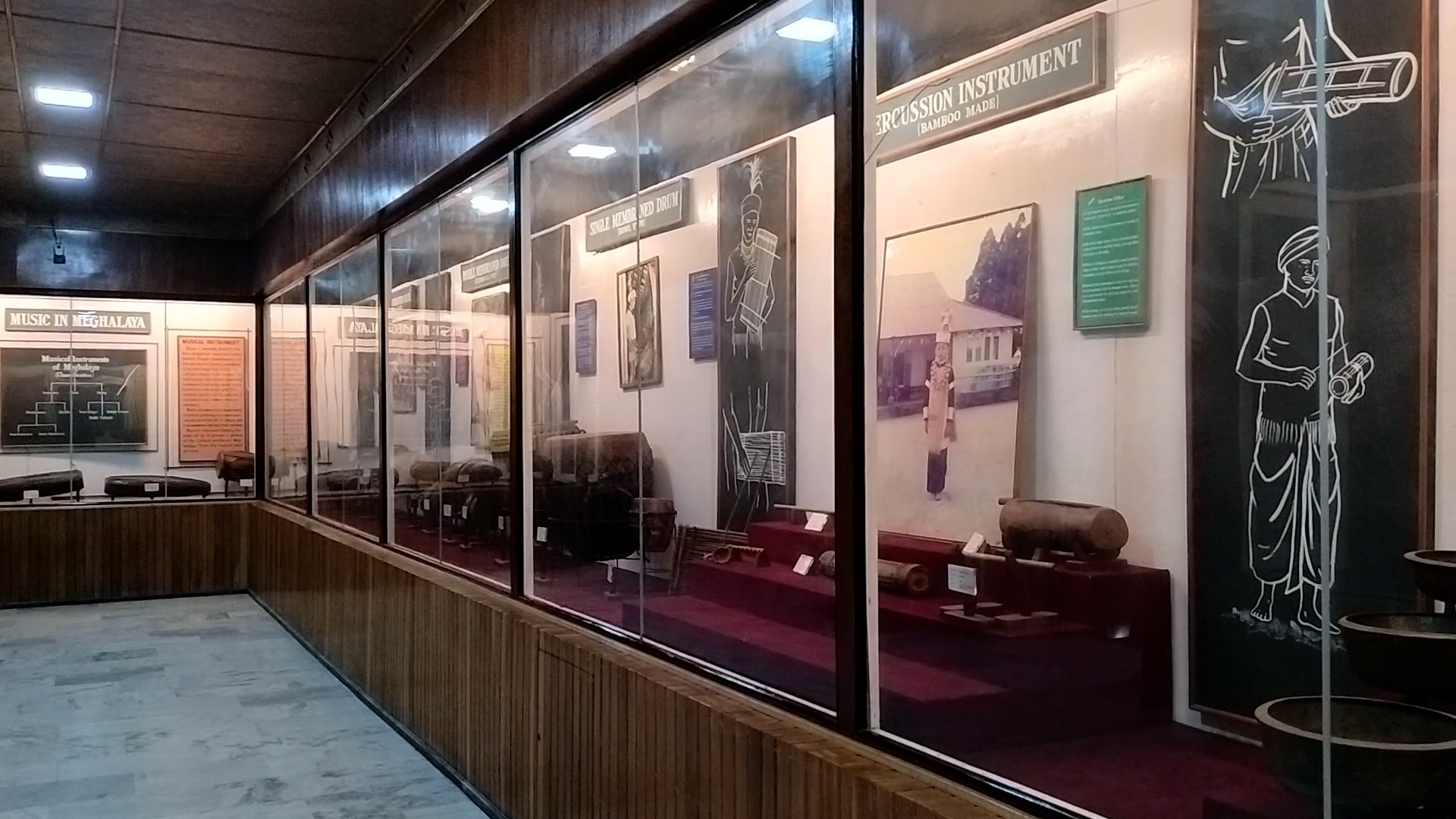
Fifth Floor – Music, Dance & Oral Traditions
Over 100 musical instruments—drums, gongs, flutes, string instruments—alongside photographs and audio recordings of folk songs and dances.

Sixth Floor – Contemporary Cultures
Modern tribal life, festivals, education, and challenges facing indigenous communities in the 21st century.

Seventh Floor – Sky Walk
A circular observation deck offering 360-degree panoramic views of Shillong city, the Khasi Hills, and—on clear days—the distant Bangladesh plains.

Architectural Marvel: The Honeycomb Design

The museum's hexagonal, multi-tiered structure resembles a honeycomb or traditional Khasi basket, symbolizing the interconnectedness of Northeast India's diverse cultures. According to Incredible India: "The museum's hexagonal structure has seven stories, making the design functional and aesthetically pleasing."

Key Design Features:

  • Natural lighting through strategically placed windows
  • Spiral ramp system connecting all floors
  • Thematic galleries arranged in clockwise progression
  • Rooftop sky walk with safety railings and benches

What Makes It Special: Unique Exhibits

1. Living Traditions, Not Dead Artifacts
Unlike sterile museum displays, Don Bosco uses life-size fiberglass figures, dioramas, and multimedia presentations to recreate tribal life. You don't just see a Naga warrior's attire—you see him standing in a recreated village with a hunting spear, surrounded by the sounds of jungle birds.

2. Comprehensive Coverage
With exhibits from over 160 tribes, this is the only museum in India offering such exhaustive documentation of Northeast India's ethnic diversity—from the Kuki-Chin groups of Manipur to the Mishing of Assam to the Rengma Nagas.

3. Thousands of Artifacts
The museum houses:

  • Traditional clothing & jewelry (over 500 pieces)
  • Musical instruments (100+ varieties)
  • Hunting & gathering tools (spears, traps, fishing nets)
  • Agricultural equipment (ploughs, sickles, grain baskets)
  • Sculptures & paintings (contemporary tribal artists)
  • Manuscripts & books (rare ethnographic texts)

4. Interactive Learning
Audio-visual presentations, touch-screen kiosks, and guided tours make the museum accessible to children, students, and international visitors.

Visitor Experiences: What People Say

TripAdvisor (2026) – ⭐⭐⭐⭐⭐
"Museum not to be missed if in Shillong. I have not seen such a well-kept, neat and clean museum. It is a seven-storied museum providing a glimpse of rich and multi-cultural lifestyle, history and traditions of the indigenous people of North East India."

Wanderlog (2025)
"The Don Bosco Museum is a phenomenal institution that does a brilliant job of preserving and promoting the indigenous cultures of Northeast India. The staff are knowledgeable and passionate."

Official Testimonial (dbcic.org)
"Great anthropological experience. Gained so much knowledge about the culture of the North East. Do visit if you are in Shillong. It's an amazing experience."

Instagram (January 2026)
"Its seven-storey Don Bosco Museum houses 21 galleries showcasing tribal history, traditional clothing, tools, weapons, art, and everyday life of Northeast India's diverse communities."

Practical Information

Location & Distance:

  • Address: Mawlai, Shillong, Meghalaya
  • From Police Bazar: 3 km (10-15 minutes by taxi)
  • From Shillong Bus Stand: 3 km
  • From City Center: 2.8 km

Entry Fees (2025–2026):

  • Adults (Indian): ₹100
  • Children (Indian, up to 5th grade): ₹50
  • Students (Indian): ₹50
  • Adults (Foreign): ₹200
  • Students (Foreign): ₹150
  • Camera Fee: ₹100

Timings:

  • Summer (Feb 1 – Nov 30): 9:30 AM – 5:30 PM
  • Winter (Dec 1 – Jan 31): 9:30 AM – 4:30 PM
  • Closed: Mondays (verify before visiting)

Duration: 2–3 hours for comprehensive visit; 1.5 hours for quick tour

Best Time to Visit

Peak Season (March–June):

  • Pleasant weather (15°C–25°C)
  • Clear skies ideal for sky walk views
  • Tourism season at its best
  • Pro: Best visibility from observation deck
  • Con: More crowded

Shoulder Season (October–November):

  • Post-monsoon freshness
  • Moderate crowds
  • Festival season in Shillong

Off-Season (December–February):

  • Winter chill (5°C–15°C)
  • Earlier closing time (4:30 PM)
  • Fewer tourists
  • Advantage: Peaceful exploration

To Avoid: June–August (heavy monsoon, poor visibility from sky walk)

Best Time of Day: Morning hours (9:30–11:00 AM) for fewer crowds; late afternoon (3:00–5:00 PM) for golden-hour views from sky walk.

How to Reach

From Police Bazar:

  • Taxi: ₹150–₹200 (10-15 minutes)
  • Local Bus: Available; ask for Mawlai route
  • On Foot: 40 minutes via 4th Furlong Route

From Guwahati:

  • 100 km (3 hours) → Reach Shillong → 10 minutes to museum

Landmarks: Located within Sacred Heart Church premises, Mawlai Phudmuri

What to Expect: Tips for Visitors

Do's:

  • ✅ Wear comfortable shoes (7 floors = lots of walking/stairs)
  • ✅ Allocate minimum 2 hours
  • ✅ Carry camera (₹100 extra fee)
  • ✅ Visit sky walk on clear days
  • ✅ Engage with staff—they're knowledgeable and passionate
  • ✅ Purchase ethnographic books from ground-floor shop

Don'ts:

  • ❌ Touch artifacts unless marked "interactive"
  • ❌ Rush through—each gallery deserves attention
  • ❌ Visit on Mondays (closed)
  • ❌ Bring large bags (locker facilities available)

Photography: Allowed with ₹100 camera fee; no flash near delicate textiles.


Beyond the Museum: Cultural Context

The Don Bosco Centre isn't merely a museum—it's a living archive in a region where oral traditions are rapidly fading. Many tribes featured here have populations under 10,000; their languages, rituals, and crafts face extinction pressures from modernization, migration, and cultural assimilation.

Conservation Mission: The Salesians of Don Bosco work with tribal communities to document, preserve, and revitalize endangered cultural practices. Proceeds from museum tickets support:

  • Field research among remote tribes
  • Cultural revival workshops for youth
  • Scholarship programs for tribal students
  • Publication of ethnographic texts

Nearby Attractions (Combine Your Visit)

Within 5 km:

  • Cathedral of Mary Help of Christians (1.5 km)
  • Ward's Lake (3 km)
  • Police Bazar (3 km – shopping, food)
  • Shillong Peak (10 km)

Suggested Half-Day Itinerary:

  • 9:30 AM: Don Bosco Museum (2.5 hours)
  • 12:00 PM: Lunch at Café Shillong (near museum)
  • 1:30 PM: Ward's Lake (1 hour)
  • 3:00 PM: Police Bazar shopping

For Students & Researchers

The museum offers:

  • Guided educational tours for school groups (advance booking)
  • Research library (access by appointment)
  • Workshops on traditional crafts (seasonal)
  • Internship opportunities for anthropology/sociology students

Contact: Visit dbcic.org for academic programs.

Verdict: Is It Worth Visiting?

⭐ Overall Rating: 4.7/5

Best For:

  • Culture enthusiasts
  • History buffs
  • Students & researchers
  • Families with children (interactive displays)
  • Photographers (sky walk views)
  • Anyone curious about Northeast India

Not Ideal For:

  • Those with limited mobility (7 floors, spiral ramps)
  • Visitors seeking outdoor activities

Final Thought: In a world where globalization homogenizes cultures, the Don Bosco Museum stands as a defiant celebration of diversity—a reminder that humanity's richness lies not in uniformity but in the beautiful, bewildering variety of ways people have learned to live, love, and make meaning in the northeastern corner of India.

Key Takeaways

✔️ Asia's largest museum for indigenous cultures
✔️ Seven floors symbolizing seven northeastern states
✔️ 21 galleries with over 160 tribal communities represented
✔️ 2–3 hours minimum visit duration
✔️ ₹100 entry for Indian adults; ₹200 for foreigners
✔️ Sky walk offers 360° Shillong views
✔️ 3 km from Police Bazar (10-15 min taxi)
✔️ Best time: March–June & October–November
✔️ Closed Mondays (verify before visiting)


For Tickets, Timings & Educational Programs: Visit www.shillong.com or dbcic.org

Location
Highlight
Yes

WILLIAMSON SANGMA STATE MUSEUM East Khasi Hills, Meghalaya

WILLIAMSON SANGMA STATE MUSEUM

Located in the State Central Library of Shillong, Captain Williamson Sangma State Museum would be an ideal place to visit for those who love to learn about the ethnic tribal culture and tradition of different regions. Run by the Art and Culture Department of Meghalaya, this museum gives an understanding to tourists about the tribal history, lifestyle, culture and tradition of the different communities residing in the state.

Exhibiting its ethnic tribal culture and tradition, this museum provides a good insight on all aspects of Meghalaya and its history. Along with the statues of Indira Gandhi and Netaji Subhash Chandra Bose, one can also have a look at the monuments dedicated to the great patriots who fought for the state. It has been recognised as one of the centre for studies intothe history and culture of the state of Meghalaya as well as a centre for preservation of its rich cultural heritage.

Whether it be the rich heritage of Shillong or the history, culture and lifestyle of the local people of this state, a tour through the Captain Williamson Sangma State Museum, will boost your awareness about the state and its people. This museum is worth a visit.

Visiting Hours: 10am to 4pm. Generally closed on public holidays.

How to reach: Nearest airport is the Guwahati Airport. Helicopters are available from Guwahati to Shillong. Nearest railway station is Guwahati railway station, which is 176kms from Shillong. By road, NH-17/Nh-37 and NH-51 has to be taken. Shillong Police Bazar is 1kms away from this museum.

Best time to visit: Throughout the year

Highlight
Yes

Shillong Dotcom brings news, views, business, tourists into one platform.  

Address: Shillong Dotcom, c/o: Online Tent Service Centre, Pynthorbah Block 2 Church Street Shillong - 793001, Meghalaya. INDIA.

For inquiries, collaboration, please contact us at: office@shillong.com, sam@shillong.com. Phone: 6033091345.