NARTIANG MONOLITHS: The Stonehenge of India Where Giants Left Their Mark
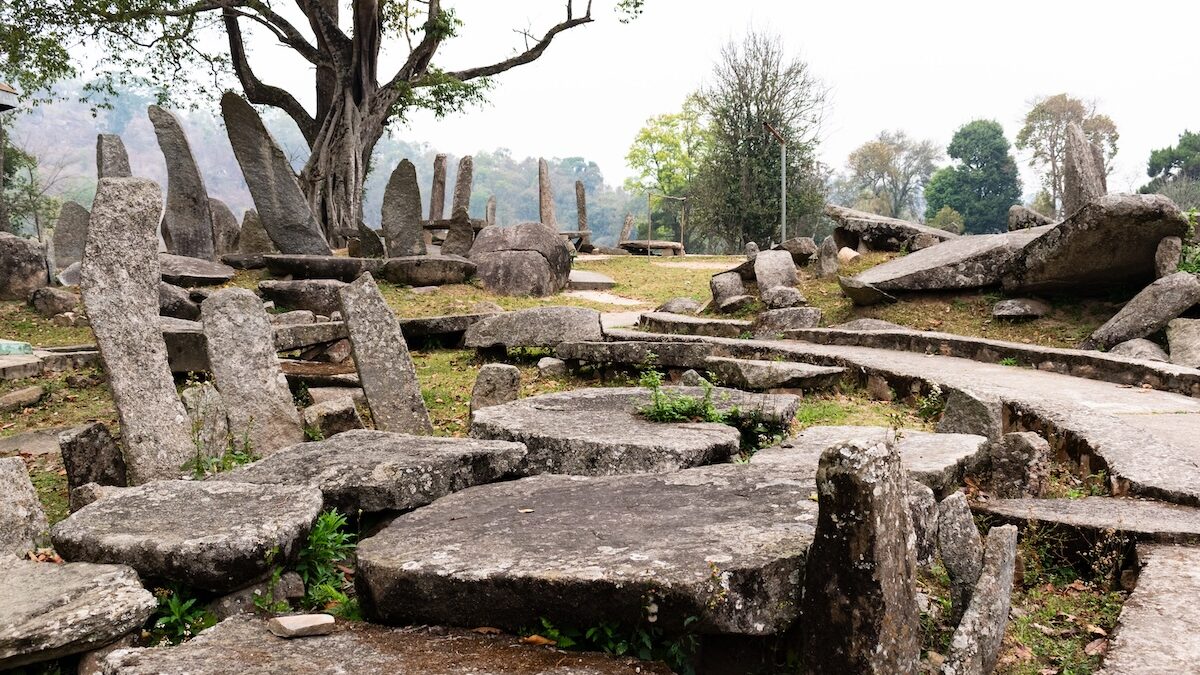
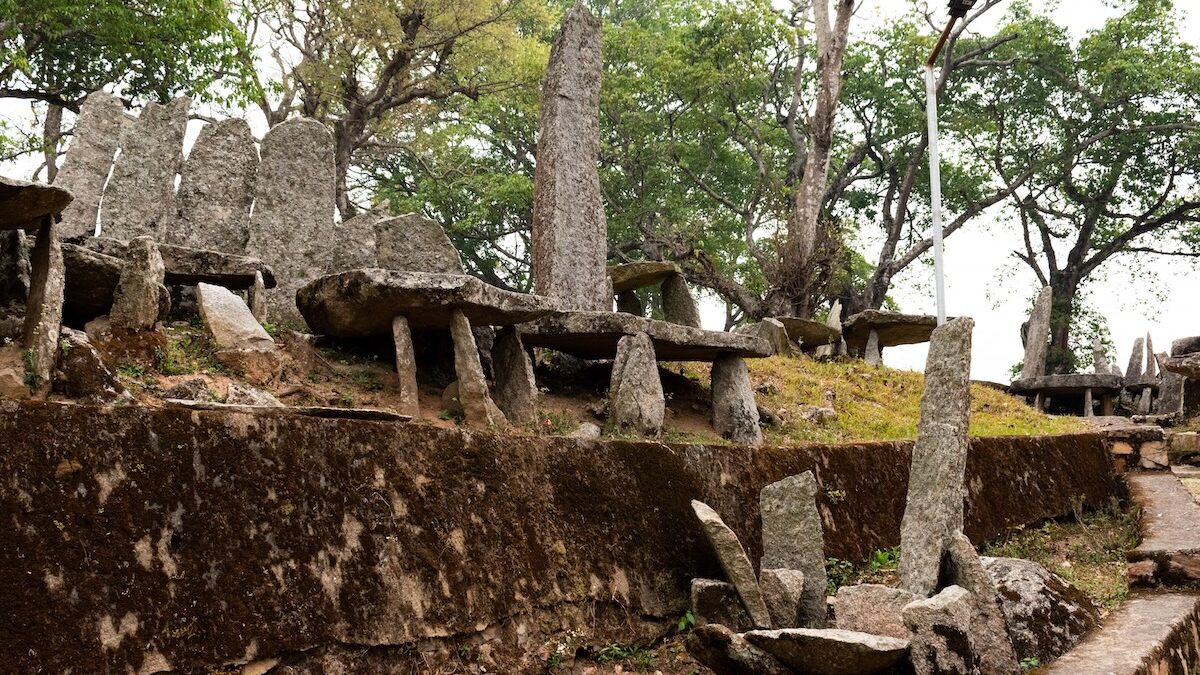
Monoliths of Nartiang
Audio
SoundHelix-Song-1.mp3
0:00 / 0:00

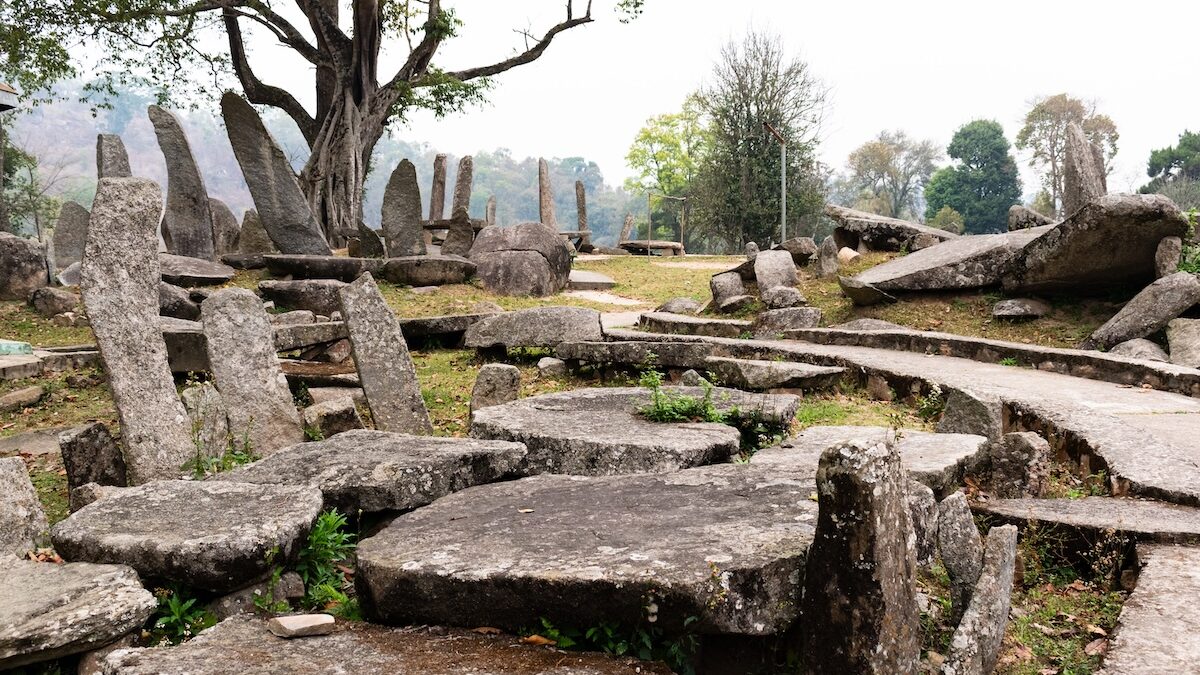
NARTIANG VILLAGE, West Jaintia Hills — If you've ever wondered what it would feel like to walk among giants, head 22 kilometers out of Jowai and take a left past the market. There, in a clearing that feels simultaneously ancient and ordinary, hundreds of massive stones rise from the earth like frozen sentinels. Some tower 8 meters high—about three stories tall—and weigh several tons. No one used cranes. No one had wheels. Someone just... put them there. Five hundred years ago. Maybe longer.

Welcome to the Nartiang Monoliths, India's best-kept megalithic secret and the largest collection of ancient standing stones in one place across all of Meghalaya (Abhijna e-Museum, 2024). Think Stonehenge, but with better legends, fewer tourists, and absolutely zero ropes keeping you away from the stones. You can walk right up. Touch them. Feel the moss that's been growing since before your great-great-great-grandparents were born.

And honestly? That's when it hits you. These aren't just rocks. They're messages from people who wanted so badly to be remembered that they moved mountains.


THE GIANT WHO CARRIED BOULDERS: MEET U MAR PHALYNGKI

Every great megalithic site needs a legendary badass, and Nartiang's got U Mar Phalyngki—a warrior-lieutenant so impossibly strong that folklore describes him as literally a giant. Not metaphorically strong. Not "big for his time." An actual giant, according to the stories passed down through generations of Jaintia families.

The tallest monolith at the site—a beast called Moo Iong Syiem or Moo Long Syiem—stands 8 meters (26 feet) tall and is said to have been erected by Mar Phalyngki single-handedly to commemorate a military victory (Assam Holidays, 2026; Village Square, 2025). Just picked up a multi-ton stone slab and planted it in the ground. No big deal.

The Shillong Times (2024) describes him as "a giant of a man from Nartiang, recognized by the king for his size and strength." The Phalangki clan name still exists in the village today, connecting modern residents to this legendary figure—which adds a cool dimension when you realize you might be buying tea from Mar Phalyngki's 20-times-great-nephew.

But here's where the legend gets darker. According to folklore documented by BBC Travel (2023) and other sources, Mar Phalyngki would behead enemies in battle and bring their heads back to Nartiang. Some versions say he collected heads as trophies. Others frame it as ritual sacrifice to the gods. The truth? Probably somewhere in between. The Jaintia kingdom did practice human sacrifice—usually war prisoners offered to deities—and several of these monoliths may mark those ceremonial sites.

Global Voices (2025) puts it bluntly: these stones are "remnants of India's Jaintia tribal kingdom," physical manifestations of power, spirituality, and yeah, probably violence. Ancient civilizations weren't exactly pacifists.

The Archaeological Survey of India dates most of these monoliths to around 1500 CE, though some could be older (Abhijna e-Museum, 2024). What's wild is that the tradition continued right up until 1835, when the British annexed the Jaintia Kingdom. That means the youngest stones here are less than 200 years old. Your great-great-grandparents could have watched the last monolith being raised.


MENHIRS, DOLMENS, AND THE LANGUAGE OF STONE

Let's get slightly technical (but stick with me, it's actually interesting). The Nartiang site features two main types of megalithic structures:

Menhirs – Standing upright stones, like massive exclamation points stabbed into the earth. The Jaintia people considered these "male stones," erected to commemorate victories, honor leaders, or mark significant clan events (Academia, 2021). The tallest menhirs required coordinated efforts from dozens—maybe hundreds—of people working together with ropes, logs, and sheer determination.

Dolmens – Flat horizontal stones balanced on support stones, creating table-like structures. These are the "female stones" in Jaintia cosmology and typically served as memorials for the deceased (Meghalaya Tourism, 2026). Families would erect them to honor ancestors and create physical anchors for spirits to remain connected to the living world.

The genius of the Jaintia system is the pairing. Many monolith clusters combine both types—a tall menhir flanked by dolmens, creating what anthropologists call "male-female paired monuments." It's not just decoration; it represents balance, the union of complementary forces, the cycle of life and death encoded in stone.

The site has hundreds of these structures arranged in irregular clusters connected by winding paths. It's not a neat grid. It's organic, almost forest-like—which makes exploring it feel like a treasure hunt rather than a museum visit.

As one Facebook visitor described it: "The large collection of monoliths are placed in such a way that to visit them one has to take winding paths. It makes for a very pretty walk" (Indian Roadie Facebook, 2019).


WALKING THROUGH THE STONE GARDEN: WHAT TO ACTUALLY EXPECT

First-time visitors consistently describe Nartiang as surprisingly peaceful. Despite the whole "giant warrior who collected heads" backstory, the site has a calm, almost meditative atmosphere. The stones stand in clusters under the shade of mature trees. Moss creeps up the older monoliths in emerald-green patterns. Ferns sprout at their bases. Village kids cut through on their way home from school, barely glancing at monuments their ancestors built centuries ago.

An Instagram post from December 2024 captures it perfectly: "Ancient Nartiang Monoliths as seen in today's day and age. The tallest monolith stand at 26 feet, it is said to have been erected by the U Mar Phalangki..." The accompanying photo shows the stones against a backdrop of modern Nartiang—tin-roofed houses, power lines, satellite dishes—creating this surreal juxtaposition of deep past and immediate present (Instagram, 2024).

What you'll find:

  • The main cluster north of the market (largest concentration)
  • Several smaller groupings scattered around the village
  • A dusty information board near the entrance (minimal details)
  • Zero ropes, barriers, or "do not touch" signs
  • Local guides hanging around the Durga Temple who'll explain everything for ₹300-500
  • Absolutely no crowds (even on weekends)

What you won't find:

  • Detailed plaques explaining each stone
  • Gift shops, cafés, or vendors
  • Paved pathways or wheelchair access
  • Restrooms or water fountains
  • Entrance gates or ticket booths

TripAdvisor reviewers consistently note: "Beautiful place with a rich history. it is rarely visited and hence not crowded, takes half an hour and is on the way. would recommend visit for mysterious vibe" (TripAdvisor, 2026).

Translation: You'll probably have the place mostly to yourself, which honestly makes it better. No selfie-stick armies. No tour groups with megaphones. Just you, the stones, and the wind rustling through the trees.


THE DURGA TEMPLE NEXT DOOR: WHERE HINDUISM MEETS TRIBAL TRADITION

Right beside the monolith site sits the Nartiang Durga Temple (also called Jainteshwari Temple), a 600-year-old structure that adds layers of spiritual complexity to the village. Here's the condensed history:

Nartiang served as the summer capital of the Jaintia Kingdom during the 17th century. When the Jaintia rulers converted to Hinduism around the 15th-16th century, they built this temple to Goddess Durga—specifically designating it as a Shakti Peetha, one of 51 sacred sites where parts of the goddess Sati's body fell after she self-immolated.

According to tradition, Sati's left thigh landed at Nartiang (Wikipedia, 2026). Which is... oddly specific, but that's how Shakti Peethas work. Each body part in a different location, creating a network of pilgrimage sites across the subcontinent.

King Manik, who made Nartiang his capital about 600 years ago, supposedly had a dream where Goddess Durga appeared and told him to build the temple in her honor (eMeghalaya, 2026). He did, and it became a major pilgrimage destination, especially during Durga Puja when thousands of devotees pour into this otherwise quiet village.

Here's what makes it fascinating: The Hindu temple sits literally meters from pre-Hindu megalithic monuments. The monoliths connect to Niamtre, the Jaintia people's ancestral faith centered on ancestor worship and nature spirits (Finderbridge, 2026). So you've got Hindu pilgrims worshipping Durga while local elders still revere the stones as connections to their pre-Hindu past.

It's not conflict. It's layering. Centuries of belief systems coexisting in the same sacred landscape. The monoliths came first. The temple came later. Both remain important. Both tell essential parts of Nartiang's story.

The temple attracts crowds during festivals but remains relatively quiet the rest of the year. Visit on a random Tuesday and you'll find a handful of devotees, a priest performing daily rituals, and maybe a couple of curious tourists.


HOW TO ACTUALLY GET THERE (REAL TALK)

The Basics:

  • Location: Nartiang Village, West Jaintia Hills, Meghalaya
  • From Jowai: 22-24 km (45 minutes)
  • From Shillong: 60-65 km (1.5-2 hours)
  • From Guwahati: 160 km (3.5-4 hours)

Getting There:

From Shillong: Take NH 6 east toward Jowai. About 15 km before Jowai, watch for signs pointing to Nartiang. Shared taxis run frequently between Shillong and Jowai (₹200-300 per person). From Jowai, hire a local cab (₹400-600 round trip) or catch a shared vehicle (₹30-50 if you can find one going that direction).

From Guwahati: Either route through Shillong (longer but better roads) or take the direct route via Umrangso (shorter but rougher). Most tourists choose the Shillong route for the scenery and infrastructure.

From Jowai: Easiest. Hire a taxi, rent a bike, or sweet-talk someone with a car. The roads are decent until you hit the village approach, which is... let's call it "rustic." Google Maps mostly gets you there, but ask locals for the final turn.

No direct buses to the monolith site itself. You'll need hired transport or your own vehicle.

Practical Details:

  • Entry Fee: Free (as of 2026)
  • Hours: Officially 9 AM - 5 PM, but it's open-air so locals wander through all day
  • Guide: Not mandatory, highly recommended. ₹300-500 for someone who knows the stories and can point out the most significant stones. Arrange at the Durga Temple or ask around.
  • Duration: Plan 1-2 hours to walk around properly, another 30 minutes if visiting the temple
  • Accessibility: Moderate. Uneven dirt paths, some stones require climbing small slopes to reach

Best Time to Visit:

October - April: Prime time. Clear skies, comfortable temperatures (15-25°C), perfect for wandering around. This is when most tourists visit Meghalaya.

May - June: Getting warmer and humid, but still okay. Pre-monsoon showers start but aren't constant.

July - September: Full monsoon. The stones look dramatic with rain-soaked moss and swirling mist, but you'll be wet, paths get muddy, and leeches multiply. Some people dig the moody atmosphere. Others regret it.

November - February: Absolute best. Crisp, clear, comfortable. If you can only visit once, come in winter.

What to Bring:

  • Comfortable walking shoes (paths are uneven)
  • Water and snacks (zero vendors at the site)
  • Cash for guides, temple offerings, and local snacks in the village
  • Camera (obviously)
  • Sunscreen or umbrella depending on season
  • Respect (locals still perform rituals here; it's sacred space)

WHAT PEOPLE ARE SAYING: THE SOCIAL MEDIA PERSPECTIVE

Modern travelers are documenting their Nartiang experiences across Instagram and Facebook, and their reactions reveal something interesting: people arrive curious and leave moved.

Instagram, January 2026:
"The Nartiang Monoliths rise in silent grace telling stories carved in stone and memory. Standing tall in the heart of Jaintia Hills they whisper tales of giants and forgotten kingdoms..." (Instagram, 2026)

Instagram Reel, 2024:
"Commonly known as the Stonehenge of India, this site features tall upright stones placed with intention and care. These monoliths were raised to commemorate victories and honor the dead..." (Instagram, 2024)

Instagram, December 2024:
"The Monoliths of Nartiang... this place is like a time capsule. It gives you a peak into the history of an ancient people." (Instagram, 2024)

Facebook, May 2024:
"Step into the forgotten realm of Nartiang, where each silent stone has a story yet to be told. With their legends of gods and giants, does this land of colossal monoliths hold secrets to our past?" (History TV18 Facebook, 2024)

Wanderlog Review:
"The Nartiang Monoliths in Meghalaya's Jaintia Hills are a remarkable testament to the rich cultural heritage of the region. Sprawled over an acre, these towering stones evoke a sense of awe and curiosity." (Wanderlog, 2026)

TripAdvisor, 2025:
"Visitors will find the site easy to access, with well-maintained pathways and informative plaques that enhance the experience." (Tripuntold, 2025) [Note: The "informative plaques" part is generous—there's basically one dusty board. But the pathways do exist.]

The recurring theme: people don't expect to be emotionally impacted by "some old rocks" and then find themselves standing in front of an 8-meter menhir, doing math in their heads about how many people it would take to move that, and getting hit with the reality that these monuments represent extraordinary collective effort by people who wanted desperately to be remembered.

Five centuries later, it's working.


WHY THIS MATTERS: THE BIGGER PICTURE

The Nartiang Monoliths aren't just a quirky tourist attraction. They're a protected national monument under the Ancient Monument and Archaeological Sites and Remains Act of 1958 (Shillong.com, 2026)—officially recognized as having national importance.

Here's what makes them globally significant:

Living Megalithic Tradition: Unlike Europe, where megalithic construction ended thousands of years ago, the Khasi and Jaintia tribes continued building these monuments into the 19th century. Nartiang represents one of the last active megalithic cultures on Earth (Andy White Anthropology, 2015).

Cultural Continuity: The same families who erected these stones centuries ago still live in Nartiang. The clans, the belief systems, the oral histories—they're unbroken. You're not looking at archaeological ruins. You're visiting someone's active cultural heritage.

Spiritual Anchors: In Jaintia cosmology, these stones aren't decorative. They're functional—physical anchors connecting the living world to the spirit realm, ensuring ancestors remain tied to the land and community (Meghalaya Tourism, 2026).

Modern Jaintia communities are actively working to preserve both the physical stones and the intangible stories. Tourism brings needed income to Nartiang village, but there's ongoing discussion about balancing access with conservation. For now, the relatively low visitor numbers actually help maintain the site's integrity and atmosphere.


NEARBY ATTRACTIONS WORTH COMBINING

If you're making the trip to Nartiang, here are other spots in the region worth checking out:

Krang Suri Falls (30 km): Turquoise pools, cliff jumping, peak Instagram. Gorgeous.

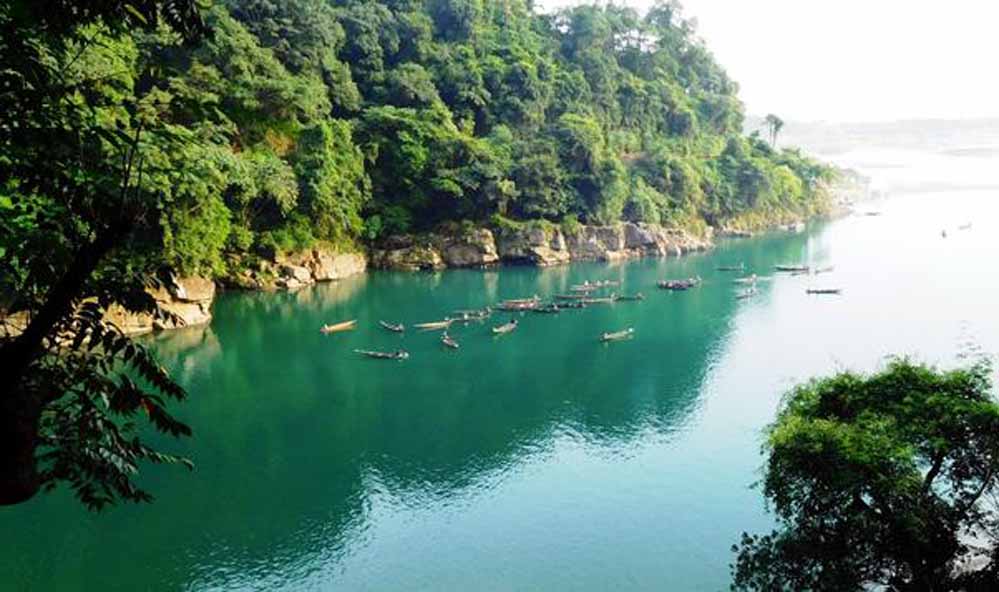
Dawki (55 km): The insanely clear Umngot River where boats look like they're floating on air. Surreal.

Jowai Town (22 km): District headquarters. Thadlaskein Lake is nice, momos are solid, budget hotels available.

Phe Phe Falls (28 km): Less touristy than Krang Suri, equally beautiful. Better for avoiding crowds.

Syntu Ksiar (45 km): Sacred forest grove connected to Khasi indigenous religion. Fascinating if you're into ethnoecology and traditional belief systems.

Most people do Nartiang as a half-day trip from Shillong, often combining it with Krang Suri or Dawki for a full-day circuit. It works, but it's rushed. Better strategy: base in Jowai for a night and explore the region properly.


THE VERDICT: SHOULD YOU GO?

Absolutely, if:

  • You're into history, archaeology, ancient cultures, or anthropology
  • You like offbeat places that aren't overrun with tour buses
  • You appreciate sites where you can actually touch and interact with the monuments
  • You're a photographer (the stones are incredible at sunrise/sunset)
  • You want to support local communities through tourism

Maybe skip if:

  • You need modern infrastructure, clear signage, and extensive facilities
  • You're looking for Instagram-famous Meghalaya spots (go to Double Decker Bridge instead)
  • You get bored easily without constant stimulation
  • You're uncomfortable with minimal amenities

Real talk: Nartiang won't blow your mind the way Cherrapunji's waterfalls might, or make your Instagram explode like Dawki. It's quieter. More contemplative. But if you give it time—hire that local guide, listen to the legends, sit on one of the dolmens and just absorb the space—it can be genuinely profound.

There's something powerful about places where humans left their mark not through buildings or art, but through sheer physical effort. Someone—many someones—moved these massive stones without modern technology, purely through collective will and belief. And they did it to say: "We were here. We mattered. Remember us."

Five hundred years later, we're still remembering.


ESSENTIAL INFORMATION

CategoryDetails
LocationNartiang Village, West Jaintia Hills, Meghalaya
Distance from Jowai22-24 km (45 min)
Distance from Shillong60-65 km (1.5-2 hrs)
Distance from Guwahati160 km (3.5-4 hrs)
Entry FeeFree
Hours9 AM - 5 PM (flexible)
Best TimeOctober - April (Nov-Feb optimal)
Time Needed1-2 hours (monoliths + temple)
Guide Fee₹300-500 (optional but recommended)
Nearest AccommodationJowai (₹600-3,000/night)
Site StatusProtected National Monument (ASI, 1958)
AccessibilityModerate (uneven paths, minimal infrastructure)
Mobile SignalGood (Airtel/Jio work)
FacilitiesBasic (temple, no vendors/restrooms)
Tallest MonolithMoo Iong Syiem (8m/26ft)
Dating~1500-1835 CE (ASI)

Contact:
West Jaintia Hills Tourism: +91-3652-222031
Meghalaya Tourism: www.meghalayatourism.in


REFERENCES

Abhijna e-Museum. (2024). Nartiang Monoliths of Meghalaya. https://www.abhijna-emuseum.com/articles/nartiang-monoliths-of-meghalaya/

Assam Holidays. (2026). Nartiang Monoliths places to visit in Meghalaya. https://assamholidays.com/nartiang-monoliths-2/

BBC Travel. (2023). The mysterious monoliths of Meghalaya. https://www.bbc.com/travel/article/20231013-the-mysterious-monoliths-of-meghalaya

Global Voices. (2025). Monoliths of Nartiang: The remnants of India's Jaintia tribal kingdom. https://globalvoices.org/2025/02/03/monoliths-of-nartiang-the-remnants-of-indias-jaintia-tribal-kingdom-through-photos/

Meghalaya Tourism. (2026). Nartiang Megalith. https://www.meghalayatourism.in/explore/destinations/by-region/jaintia-hills/nartiang-megalith/

The Shillong Times. (2024). Mar Phalangki and the monolith at Nartiang. https://theshillongtimes.com/2024/08/19/mar-phalangki-and-the-monolith-at-nartiang/

TripAdvisor. (2026). Nartiang Monoliths reviews. https://www.tripadvisor.com/Attraction_Review-g2285397-d2441303-Reviews-Nartiang_Monoliths

Village Square. (2025). Nartiang Monoliths: Echoes of the past in Meghalaya. https://villagesquare.in/nartiang-monoliths-echoes-of-the-past-in-meghalaya/

West Jaintia Hills District. (2026). Nartiang Monoliths. https://westjaintiahills.gov.in/tourist-place/nartiang-monoliths/

White, A. (2015). Who built the megalithic monuments of Nartiang? https://www.andywhiteanthropology.com/blog/who-built-the-megalithic-monuments-of-nartiang
Highlight
No

DAWKI: Where Boats Float on Air and Rivers Speak to the Sky

DAWKI
DAWKI
DAWKI
DAWKI
DAWKI
Audio
SoundHelix-Song-1.mp3
0:00 / 0:00

The Crystal River That Broke the Internet

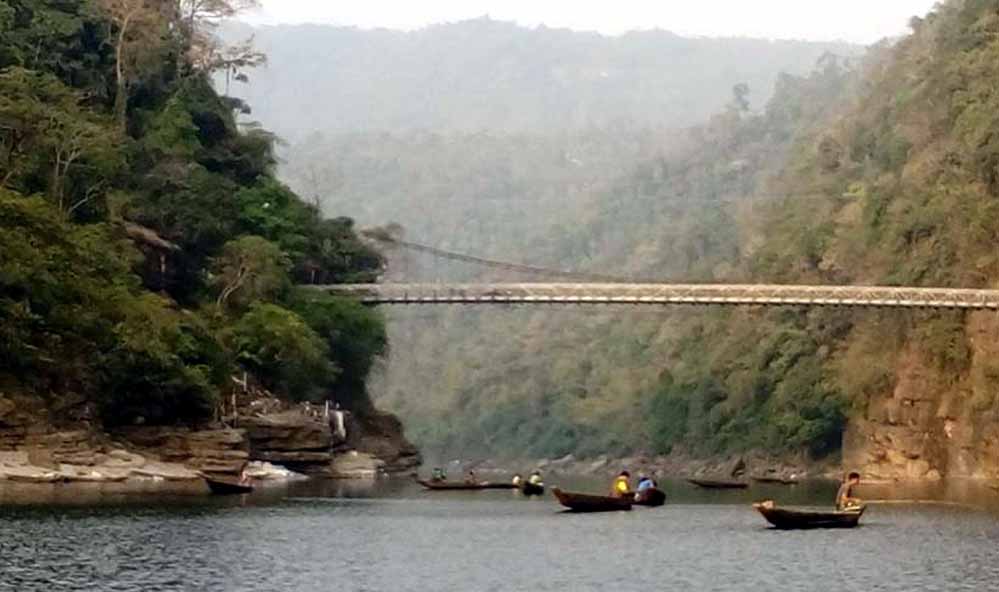
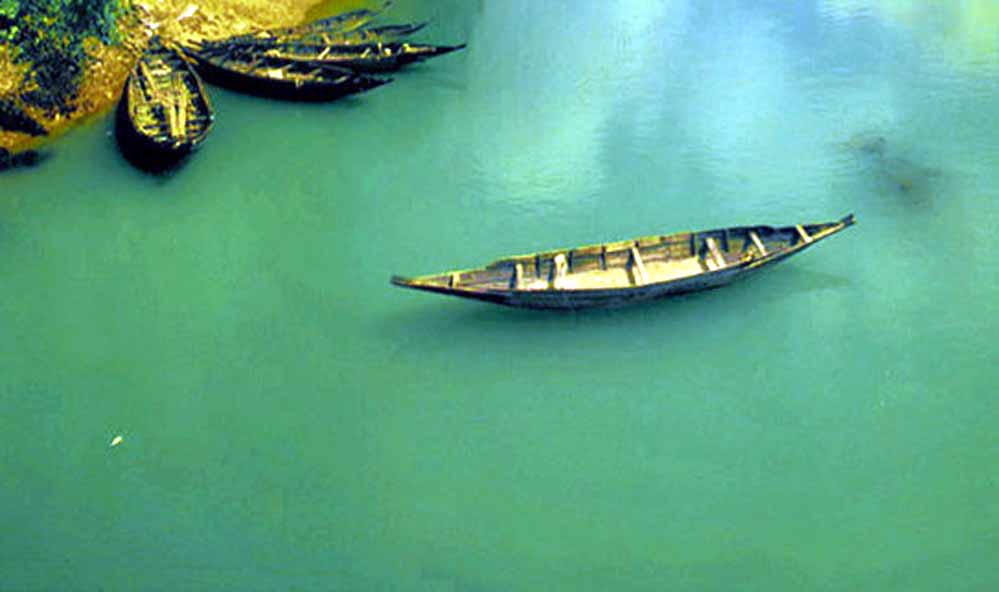
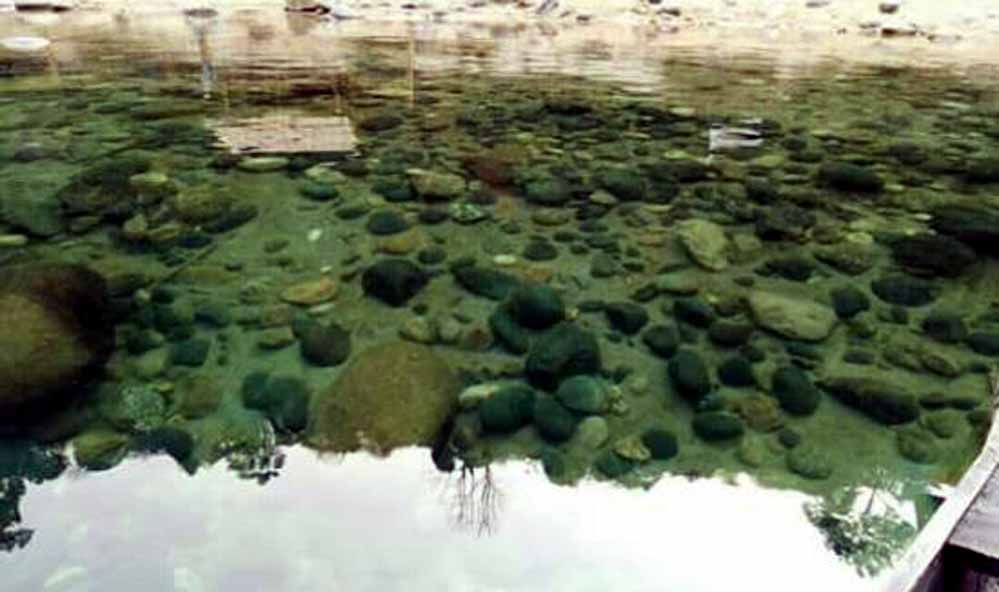
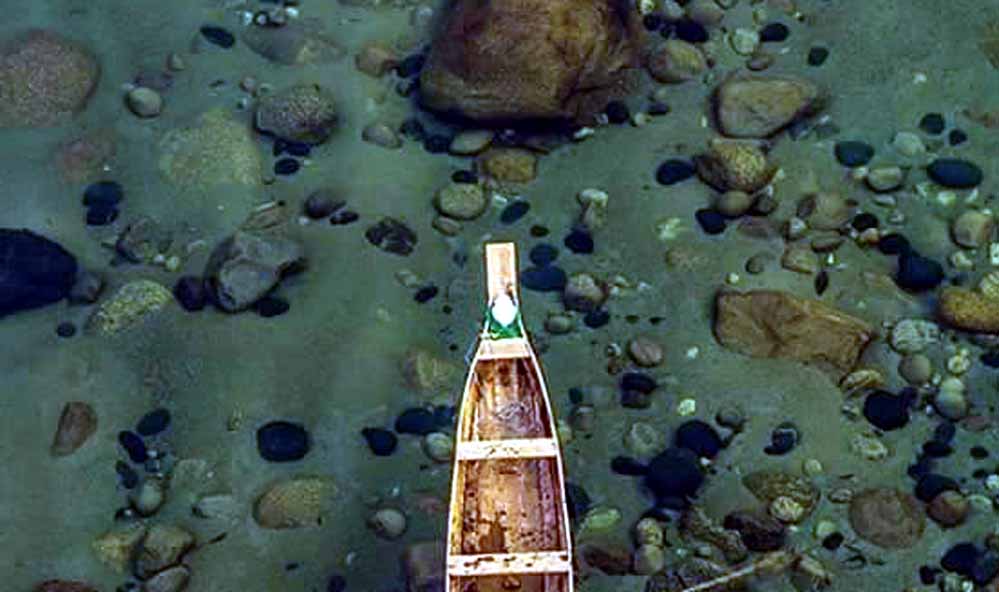
There's a moment—right when your taxi crests the final hill on NH206—when you first glimpse the Umngot River snaking through the valley below. The water shimmers emerald and sapphire, so impossibly clear that the boats on its surface look Photoshopped, suspended in mid-air above their own shadows on the riverbed. Welcome to Dawki, Meghalaya's answer to "Does magic still exist?"

Ninety-five kilometers east of Shillong, tucked into the West Jaintia Hills just a stone's throw from Bangladesh, Dawki (also known as Tamabil on the Bangladesh side) has become the poster child for India's hidden natural wonders. Instagram influencers call it "India's transparent river." National Geographic featured it. Your college friend definitely posted a "floating boat" photo from here during their 2024 Meghalaya trip.

But here's the thing nobody tells you: Dawki isn't just about that one viral photo. It's a borderland village where rivers carve international boundaries, where adventure junkies cliff-jump into emerald waters at Shnongpdeng, and where the India-Bangladesh Friendship Gate stands as a quiet reminder of Partition's scars and reconciliation's promises.

Let's cut through the Instagram filters and talk about what Dawki actually is—and whether it lives up to the hype.


The Umngot River: Nature's Optical Illusion

The Science Behind the Sorcery

The Umngot River's famed transparency isn't a year-round phenomenon—it's seasonal sorcery. From November to February, post-monsoon waters settle, sediment drops, and the river transforms into liquid glass. Locals joke that during these months, you can count pebbles 20 feet below the surface. A TripAdvisor reviewer from December 2025 wrote: "Dawki with crystal clear waters can be seen only in November-December as told by the locals... Boating in the river is an amazing experience. Very clear water" (TripAdvisor, 2026).

But visit during or just after the June-September monsoon? Expect murky brown-green waters that look like... well, a regular river. As one candid Instagram reel from November 2025 noted: "Dawki (Umngot River) Expectations vs Reality... People come here for the Umngot River – the one famous for its 'Instagram-perfect' clear waters. In reality, it's not as crystal-clear as those photos suggest" unless you time it right (Instagram, 2025).

The Floating Boat Phenomenon

The reason for the viral "floating boat" photos? Simple physics. When water clarity reaches 10+ meters (which happens November–February), and sunlight hits just right, boats cast shadows on the visible riverbed while appearing to hover above it. The effect is so convincing that first-time visitors often ask if the photo is edited. Spoiler: it's not—but it requires specific conditions, morning light (before 11 AM for best results), and a bit of luck (Assam Holidays, 2026; BBC Travel, 2023).


Boating on the Umngot: What to Actually Expect

The Logistics

  • Boating Hours: 9:00 AM – 5:00 PM (flexible; no strict enforcement)
  • Cost: ₹600–₹1,200 per boat (holds 3–4 people); prices vary by season and negotiation skills
  • Duration: 30–50 minutes per ride
  • Entry Fee: Free (as of January 2026)

The boating experience at Dawki village (near the Bangladesh border) is straightforward: local boatmen paddle you up and down a scenic stretch of river, pointing out the border and letting you snap photos. The water's clarity depends entirely on when you visit—November/December offers the best visibility, while March–May sees decent clarity but warming weather (Trawell.in, 2025; Finderbridge, 2025).

Rules of the River (Yes, They're Strict)

Coordinators patrol constantly to enforce these:

  • No leaning over the boat's edge
  • No touching the water (environmental protection)
  • No distracting the boatman
  • Life jackets mandatory for non-swimmers

Violate these, and you might get asked to disembark early. The rules exist for good reason—the river currents near the border can be deceptively strong (MyTourPlans, 2026).


Shnongpdeng: Dawki's Adrenaline-Fueled Twin

If Dawki is the Instagram celebrity, Shnongpdeng (12 km upstream) is the cool older sibling who actually knows how to have fun. This tiny village on the Umngot's banks has become Meghalaya's adventure sports capital.

What You Can Do:

  • Kayaking: Paddle through crystal waters (₹500–₹800 per session)
  • Cliff Jumping: Leap from platforms at 8 ft, 14 ft, or 22 ft heights into the river (₹500)
  • Zip-lining: Fly across the Umngot on a 200-meter line
  • Snorkeling & Scuba Diving: Yes, in a river—visibility is that good in winter
  • Riverside Camping: Pitch a tent on sandy banks (₹400–₹1,500/night, including activities)

A TripAdvisor reviewer summed it up: "There was good food, music, bonfire and stories in the night and snorkeling, kayaking, cliff jumping and boating in the morning. The whole thing costs around ₹1,500–₹3,000 per person" (TripAdvisor, 2026).

The vibe at Shnongpdeng is decidedly more laid-back than Dawki—fewer crowds, more adventure operators, and a chance to actually experience the river rather than just photograph it (Pioneer Adventure Tour, 2025; Travenjo, 2026).


The India-Bangladesh Border: History You Can Touch

Dawki isn't just a pretty river—it's one of India's most significant border crossings with Bangladesh. The India-Bangladesh Friendship Gate (also called Maitri Dwar) stands as a symbol of reconciliation between nations born from Partition's violence.

Historical Context

Built in 1932 by the British, the Dawki Bridge over the Umngot connected Assam and Bengal, facilitating trade between Guwahati-Shillong-Dawki-Tamabil-Sylhet-Dhaka (Life is a Vacation, 2017). After Partition in 1947 and Bangladesh's independence in 1971, this route became an international border—but trade and cultural ties persisted.

Today, Dawki-Tamabil is a closed border for tourists (you can't cross into Bangladesh without permits), but it remains a vital trade point for coal, limestone, and agricultural goods. Stand at the Friendship Gate, and you'll see Bangladeshi villagers on the opposite bank, a mere 50 meters away. The lack of fencing makes the boundary feel almost theoretical—until you notice the BSF (Border Security Force) personnel discreetly monitoring the area (Evendo, 2026; Times of India, 2022).


Planning Your Dawki Adventure

Getting There

From Guwahati (175 km / 5–6 hours):

  • Private taxi: ₹7,000–₹8,500 (one-way)
  • Route: NH27 → Shillong → NH106 → Dawki
  • Best option for first-timers; drivers know photo stops

From Shillong (92 km / 2.5–3 hours):

  • Private taxi: ₹2,000–₹3,000 (one-way)
  • Shared taxi (from Bara Bazaar): ₹200–₹300 per seat (sporadic)
  • Route: NH206 via Pynursla (fastest) or NH44 via Jowai (scenic)

No direct public transport exists to Dawki village, so taxis are your best bet. Shared taxis from Shillong to Dawki are rare and unpredictable (TripCrafters, 2026; eSikkim Tourism, 2026).

Best Time to Visit

  • November–February: Peak season. Crystal-clear water, "floating boat" illusion, pleasant weather (12–20°C). Expect crowds on weekends.
  • March–May: Decent water clarity, warmer weather (15–25°C), fewer tourists.
  • June–October: Monsoon. Water is murky/muddy, but surrounding waterfalls are spectacular. Not ideal for the classic Dawki experience.

As one Instagram post from December 2025 advised: "⏰ Best time: Oct–Apr (clearest water); Nov–Feb for the 'floating boat' view" (Instagram, 2025).

Where to Stay

In Dawki Village:

  • Limited options; most are basic guesthouses (₹800–₹1,500/night)
  • Dawki View Guest House, Shatsngi Homestay (TripAdvisor, 2026)

In Shnongpdeng (12 km away):

  • Better camping/adventure packages
  • Shnongpdeng Riverbank Camp, Marvel's Camps & Treks, Pioneer Adventure Tour (₹1,500–₹3,000/night with activities)
  • Riverside tents, bonfires, adventure sports included (Booking.com, 2026)

Pro Tip: Most travelers base themselves in Shillong or Jowai and do Dawki as a day trip. If you want the full river experience with camping, stay in Shnongpdeng.

What to Bring

  • Sturdy footwear (rocky paths near the river)
  • Sunscreen & hat (no shade on boats)
  • Quick-dry clothes (for water sports at Shnongpdeng)
  • Cash (most vendors don't accept cards; nearest ATM in Jowai, 24 km away)
  • Waterproof phone pouch (for that perfect floating-boat shot)
  • Snacks & water (limited food options in Dawki village)

What People Are Actually Saying

The Honest Reviews

TripAdvisor (2025–2026):

  • "Average experience thanks to rains. Word of caution: Do not plan a trip to Dawki if it has rained a day before or still raining... the crystal-clear water will turn muddy"
  • "Absolutely stunning and a must visit place. The water is very clear. You can see Bangladesh on the other side from here. The boat ride is not to be missed"
  • "Dawki is not just a destination; it's an experience. The peace, the scenery, and the hospitality—from nature and the locals alike—make it a perfect getaway"

Instagram (2024–2026):

  • "No matter how much difficult the road was destination was wonderful… It's not only about clear water but the calmness too" (@username, January 2026)
  • "India's Transparent River Dawki welcomes you with crystal clear water where boats look like they're floating in air. The riverbed is visible even metres below" (Instagram Reel, December 2025)

Expectation vs. Reality

Multiple recent reviews emphasize managing expectations:

  • If you visit in peak season (Nov–Feb) + morning hours: You'll likely get the Instagram-worthy experience
  • If you visit monsoon/off-season: You'll see a pretty river, but not the famed transparency
  • Either way: The surrounding landscape (hills, border views, adventure activities) makes Dawki worth visiting (Times of India, 2021; Reddit, 2023)

Nearby Attractions: Building the Perfect Itinerary

Mawlynnong (50 km / 1.5 hours): "Asia's Cleanest Village"; living root bridges, bamboo skywalk, community-based tourism

Krang Suri Falls (60 km / 2 hours via Jowai): Turquoise-blue waterfalls with natural swimming pools; best visited June–September

Riwai Living Root Bridge (20 km from Dawki): Shorter, easier trek (30 minutes) compared to Nongriat's famous double-decker bridge

Jaflong Zero Point (Bangladesh side—viewable from Dawki): Stone quarries and tea gardens visible across the border

Sample 2-Day Itinerary:

  • Day 1: Shillong → Krang Suri Falls → Jowai → Dawki (boat ride) → Camp at Shnongpdeng
  • Day 2: Morning adventure sports at Shnongpdeng → Mawlynnong → Riwai Root Bridge → Return to Shillong

(TripAdvisor, 2023; Go Somewhere, 2026)


The Verdict: Is Dawki Worth the Hype?

Visit Dawki if you:

  • Want to see one of India's clearest rivers (November–February essential)
  • Enjoy borderland tourism and geopolitical curiosities
  • Seek adventure sports (Shnongpdeng cliff jumping, kayaking)
  • Are planning a broader Meghalaya itinerary (combines well with Mawlynnong, Cherrapunji)

Skip (or lower expectations) if you:

  • Can only travel during monsoon (June–October)—water won't be clear
  • Expect untouched wilderness—Dawki village can feel commercialized on weekends
  • Don't enjoy crowds—peak season sees hundreds of tourists daily

A balanced take from a 2025 TripAdvisor reviewer: "The boat ride is an amazing experience... but go in the morning time as afternoon tends to get rushed up" (TripAdvisor, 2026).


Essential Information at a Glance

CategoryDetails
LocationDawki village, West Jaintia Hills, Meghalaya
Distance from Shillong92–95 km (2.5–3 hours)
Distance from Guwahati175 km (5–6 hours)
Best Time to VisitNovember–February (crystal-clear water); March–May (decent clarity)
Boating Cost₹600–₹1,200 per boat (3–4 people)
Boating Duration30–50 minutes
Entry FeeFree
Nearest AccommodationShnongpdeng (12 km); Jowai (24 km); or base in Shillong
ActivitiesBoating, kayaking, cliff jumping (Shnongpdeng), camping, border viewing
Mobile NetworkAirtel, Jio work well; BSNL spotty
ATMNearest in Jowai (24 km)
Permits RequiredNone (as of 2026)
Border CrossingNot allowed for tourists without special permits

Contacts:

  • Meghalaya Tourism: www.meghalayatourism.in
  • Adventure operators (Shnongpdeng): +91-8794181960 (Pioneer Adventure Tour)
  • Dawki Boat Association: Inquire on-site at riverbank

References & Sources

Location
Highlight
Yes

SMIT Village: The Cultural Heart of the Khasi Hills

SMIT VILLAGE
SMIT VILLAGE
SMIT VILLAGE
SMIT VILLAGE
SMIT VILLAGE
Audio
SoundHelix-Song-1.mp3
0:00 / 0:00

Where Ancient Traditions Meet Breathtaking Landscapes

Eleven kilometers from Shillong, along the winding Shillong-Jowai Road, lies a village that serves as the beating cultural heart of the Khasi Hills. Smit Village—known locally as the cultural center of East Khasi Hills—is far more than a picturesque stop along a scenic highway. It is a living repository of Khasi traditions, a seat of indigenous governance, and a gateway to some of Meghalaya's most stunning natural wonders. For travelers seeking authentic cultural immersion beyond the usual tourist circuits, Smit offers what few places can: a genuine connection to centuries-old customs practiced today with the same reverence as generations past.

While Shillong draws crowds with its colonial charm and modern amenities, Smit remains refreshingly unhurried—a pollution-free village where terraced fields cascade down hillsides, traditional bamboo houses dot the landscape, and the rhythm of life follows patterns established long before roads connected these mountains to the outside world. Yet Smit is no museum piece frozen in time. It is a vibrant community where ancient Syiemship governance continues under the Sixth Schedule of the Indian Constitution, where the spectacular Nongkrem Dance Festival draws thousands annually, and where village markets pulse with life every eighth day.

The Hima Khyrim: A Kingdom Within the Indian Republic

To understand Smit's significance, one must first grasp the unique political and cultural structure it represents. Smit serves as the headquarters of Hima Khyrim, one of the traditional Khasi states (or Himas) that predates British colonialism and continues to function alongside modern democratic governance. The word Hima roughly translates to "kingdom" or "chieftaincy," and the Khyrim state is one of approximately 25 such entities in Meghalaya that maintain traditional governance structures.

At the apex of this system sits the Syiem—a hereditary ruler who holds both administrative and spiritual authority within the community. The Syiem of Hima Khyrim resides at Ing Sad, the traditional palace in Smit, a structure that stands as both administrative center and cultural symbol. Built using traditional Khasi architectural techniques, the Ing Sad exemplifies sustainable construction methods passed down through centuries, incorporating locally sourced materials like bamboo, wood, and stone.

What makes this system particularly fascinating is its continued relevance in modern India. Under the Sixth Schedule of the Indian Constitution, tribal areas in the Northeast—including Meghalaya's Khasi Hills—enjoy special autonomous status. Traditional Khasi institutions retain authority over matters including land management, customary law, and cultural preservation. The Syiem, therefore, is not merely a ceremonial figurehead but an active participant in community governance, working alongside elected democratic bodies.

This dual system creates a unique governance model where age-old customs coexist with constitutional democracy. In Smit, one can witness both: panchayat meetings addressing infrastructure needs and traditional assemblies (durbars) resolving disputes according to customary law. It is this living tradition of indigenous self-governance that makes Smit culturally significant beyond its scenic beauty.

Nongkrem Dance Festival: Meghalaya's Most Celebrated Cultural Event

If there is a single event that has brought Smit to national and international attention, it is Ka Pomblang Nongkrem—more commonly known as the Nongkrem Dance Festival. This five-day religious and cultural extravaganza, held annually in November, represents the pinnacle of Khasi cultural expression and has gained recognition as one of Northeast India's most important indigenous festivals.

The festival's origins lie deep in Khasi animistic traditions centered on Ka Niam Khasi, the indigenous faith that predates the region's subsequent Christianization. The celebration honors Ka Blei Synshar (the Supreme Goddess) and U Lei Shillong (a deity associated with the sacred Shillong Peak), offering thanksgiving for bountiful harvests and seeking blessings for continued prosperity. According to the Government of Meghalaya, the festival also solemnizes the evolution of the Khasi Democratic States, linking spiritual practices with political history.

The festival unfolds across five meticulously structured days, each with specific rituals and ceremonies:

Days 1-3: Preparatory Rituals The opening phase involves elaborate preparations at the Syiem's residence. The royal family and priestesses conduct private ceremonies, preparing ritual objects and offerings. Community members gather gradually, transforming Smit from a quiet village into a bustling festival ground.

Day 4: Ka Pomblang Ceremony The fourth day features the festival's most solemn ritual—the ceremonial sacrifice of goats (Ka Pomblang literally means "goat killing ceremony of Nongkrem"). This ancient practice, performed by the high priestess in the presence of the Syiem and assembled community, follows strict protocols. The sacrificed animals are offered to deities, and portions are distributed among clan members, reinforcing social bonds and shared spiritual identity.

Day 5: The Grand Dance The festival culminates in the spectacular dance performance that gives the event its popular name. Two distinct dances occur:

Ka Shad Kynthei (Women's Dance): Young unmarried women dressed in traditional Jainsem (Khasi women's attire)—elaborate two-piece garments made of silk with intricate embroidery and adorned with gold and silver jewelry—perform graceful, measured movements. Their dance is characterized by slow, rhythmic swaying, with hands moving in prescribed patterns. The rare Tiew Lasubon flower traditionally adorns their crowns, though this endemic species has become increasingly scarce. The women's dance symbolizes purity, grace, and the central role of women in Khasi society.

Ka Shad Mastieh (Men's Dance): Men, wearing traditional Jymphong (a sleeveless coat) over dhoti-like lower garments, and adorned with colorful turbans and ceremonial swords, perform vigorous, energetic movements around the dancing women. Their dance is more dynamic, featuring leaps, sword flourishes, and complex footwork, representing protection and valor.

The dances occur in the courtyard of the Ing Sad palace, with thousands of spectators—both locals and tourists—gathered to witness the spectacle. Traditional musical instruments, particularly drums and flutes, provide accompaniment, creating a rhythmic soundscape that has remained unchanged for centuries.

According to GK Today, the Nongkrem festival not only preserves cultural heritage but serves as "a crucial touchstone for Khasi identity, reminding younger generations of their roots and instilling pride in their distinct cultural heritage." In 2025, the festival drew high-profile attendance including government officials and cultural dignitaries, underscoring its importance in Meghalaya's cultural calendar.

The Khasi People: India's Matrilineal Society

To fully appreciate Smit and its cultural significance, one must understand the unique social structure of the Khasi people—one of the world's largest surviving matrilineal societies. Unlike the patrilineal systems dominant across most of India and the world, Khasi society traces lineage, inheritance, and clan identity through the mother's line.

This matrilineal system has profound implications:

Property and Inheritance: The youngest daughter (Ka Khadduh) traditionally inherits the family property and ancestral home. This practice ensures that the family dwelling remains within the maternal lineage and provides security for aging parents, as the youngest daughter typically remains in the family home to care for them.

Surname and Clan Identity: Children inherit their mother's clan name (Kur). The Khasis have numerous clans, and clan identity determines various social relationships, including marriage restrictions (same-clan marriages are traditionally prohibited).

Residence Patterns: After marriage, husbands traditionally move to their wives' homes (matrilocal residence). While this practice has become more flexible in urban areas, it remains common in villages like Smit.

Women's Status: Khasi women enjoy considerable autonomy and decision-making power within households and communities. However, this matrilineal structure does not translate to matriarchy—political power and clan leadership have traditionally been male-dominated roles, even as property passes through female lines.

The BBC has documented this unusual system, noting that while Khasi women control property and inheritance, they still face societal pressures and gender expectations, creating a complex social reality that defies simple categorization.

In Smit, this matrilineal tradition is not merely an anthropological curiosity but a living social reality. Visitors observing village life will notice women's central roles in household management, agricultural decisions, and economic activities. The weekly market—a primarily female-dominated space—vividly illustrates women's economic agency in Khasi society.

Smit Weekly Market: Commerce and Community

Every eighth day (following a traditional octave-weekly cycle rather than the standard weekly calendar), Smit transforms into a bustling marketplace as the village's traditional haat or weekly market convenes. This market is far more than a commercial venue—it serves as the social and economic hub where community bonds are reinforced, news is exchanged, and cultural identity is affirmed through shared economic practice.

The market timing is crucial: arriving between 8 AM and 11 AM offers the best experience, before crowds swell and the day's heat intensifies. Vendors—predominantly women—spread their wares on the ground or simple stalls, creating a colorful tapestry of local products:

Agricultural Produce: Fresh vegetables grown in terraced fields, including indigenous varieties rarely seen in urban markets. Seasonal fruits, locally grown spices, and traditional Khasi crops like jyndiar (millet) feature prominently.

Traditional Crafts: Handwoven cane mats (tlieng), baskets, stools, and other bamboo products. The Khasis are renowned for cane weaving, and the mats produced here guarantee 20-30 years of utility—a testament to craftsmanship quality.

Sericulture Products: Silk produced through local sericulture (silk farming) practices. Meghalaya, particularly the Khasi Hills, has a growing silk industry, and Smit markets often feature raw silk and silk fabrics.

Traditional Food: Ready-to-eat traditional Khasi foods, including doh khlieh (pork salad), jadoh (rice cooked with meat), fermented foods, and local fish preparations. For culinary adventurers, the market offers authentic tastes rarely available in restaurants.

According to local tourism sources, the market operates largely on cash transactions, as many vendors remain unbanked. Visitors should bring small denomination notes for purchases. The market atmosphere is convivial rather than aggressively commercial—bargaining is minimal, and interactions emphasize community relationships over pure profit.

The Meghalaya Tour website notes: "The village square is the hub of all activity in Smit. The weekly markets are about much more than buying vegetables. People meet each other, exchange news, and maintain social bonds." For travelers, attending the market provides unparalleled insight into Khasi village economics and social dynamics.

Natural Wonders: From Smit to the Edge of the World

While Smit's cultural attractions dominate, its natural setting and proximity to spectacular landscapes make it equally compelling for nature enthusiasts.

Laitlum Canyon: Meghalaya's Grand Canyon

Just 5-8 kilometers from Smit lies Laitlum Canyon, one of Meghalaya's most photographed natural wonders. The name Laitlum translates from Khasi as "end of the hills," and standing at the viewpoint, one understands why. The canyon offers sweeping panoramic views of rolling hills, deep valleys, and distant Bangladesh plains. On clear days, the vista extends seemingly to infinity, with layers of blue-green hills fading into the horizon.

The Meghalaya Tourism portal describes Laitlum as featuring "wide spread meadows and stairways that snake down the valley." For the adventurous, trekking paths descend from the main viewpoint into the valley below, offering immersive experiences in pristine natural landscapes. The trek, taking 5-6 hours for a complete loop, passes through traditional Khasi villages, terraced fields, and dense pine forests.

Best visited in the afternoon (morning and evening fog often obscures views), Laitlum has no entry fee, making it accessible to all. The site has seen increasing tourist attention in recent years, with improved access roads and viewing platforms, yet it retains a largely undeveloped character.

Smit's Green Landscape: Agriculture and Ecology

Smit itself sits amidst verdant hills characterized by diverse vegetation. The village practices jhum cultivation (shifting agriculture), a traditional farming method involving controlled forest clearing, cultivation for several years, and then allowing land to regenerate. While controversial from an environmental perspective, jhum cultivation has sustained Khasi communities for centuries and represents sophisticated ecological knowledge adapted to mountainous terrain.

The region also supports sericulture (silk farming) and spice cultivation. Spices grown here—including ginger, turmeric, and black pepper—are primarily exported to other Indian states, providing crucial cash income for villagers. Animal husbandry, particularly pig and poultry rearing, complements agricultural activities.

The surrounding forests include both sacred groves (protected forest patches) and working forests. While Smit doesn't have the famous Mawphlang Sacred Forest within its boundaries, the traditional Khasi respect for sacred groves (Law Kyntang) extends throughout the region. These protected forests serve dual functions: preserving biodiversity and maintaining spiritual connections to land and ancestors.

Monoliths and Megalithic Heritage

Throughout Smit and surrounding areas, visitors encounter monoliths—standing stones that serve as memorials to deceased elders or mark significant events. These megalithic structures are integral to Khasi culture. Vertical monoliths typically represent males, while horizontal stones represent females, reflecting gender concepts within the matrilineal system.

Monoliths are not merely historical artifacts but living elements of cultural practice. When community elders pass away, families may erect new monoliths, continuing a tradition spanning millennia. Some anthropologists believe Khasi megalithic culture represents one of the world's last surviving living megalithic traditions—a direct link to prehistoric stone-erecting cultures found globally.

Practical Information: Planning Your Visit to Smit

Getting There

From Shillong: Smit is 11-15 km from Shillong (sources vary slightly on distance) along the Shillong-Jowai Road (National Highway 6). Travel options include:

  • Taxi: Easily arranged from Shillong hotels; round trip including waiting time costs approximately ₹800-1200
  • Shared Transport: Meghalaya Transport Corporation buses and shared taxis operate regularly along this route
  • Private Vehicle/Motorbike: The well-maintained road makes self-driving pleasant for those comfortable with mountain roads

From Guwahati: Guwahati remains the primary gateway, with the nearest airport and major railway station. From Guwahati to Shillong is approximately 100 km (2.5-3 hours), followed by the short journey to Smit.

When to Visit

Best Months: October to November and March to April offer ideal weather—clear skies, moderate temperatures (15-25°C), and minimal rainfall. The post-monsoon period (October-November) is particularly special as it coincides with the Nongkrem Dance Festival.

November: If possible, plan your visit to coincide with the Nongkrem Dance Festival (typically first week of November, though dates vary). Book accommodation well in advance, as Shillong hotels fill quickly during this period.

Monsoon (June-September): While the landscape achieves peak greenness during monsoons, heavy rainfall can disrupt travel plans and obscure views at places like Laitlum.

Where to Stay

Smit has limited accommodation options within the village itself. Most visitors stay in Shillong and make day trips. However, for those seeking authentic village experiences, homestays can be arranged through local tourism cooperatives. Staying overnight allows you to experience village life—morning mists, evening gatherings, and the rhythms of agricultural life.

Shillong offers accommodation ranging from budget guesthouses to luxury hotels, with options like Hotel Polo Towers and various boutique properties providing comfortable bases.

What to Bring

  • Comfortable walking shoes (for exploring village lanes and potential treks)
  • Weather-appropriate clothing (layers for temperature variations)
  • Cash in small denominations (for market purchases and entry fees)
  • Camera equipment (the landscapes and cultural scenes are spectacular)
  • Respect for local customs (appropriate dress when visiting religious sites; permission before photographing people)

Cultural Sensitivity and Responsible Tourism

Smit's cultural richness makes it vulnerable to tourism's negative impacts if visitors approach it carelessly. Responsible travel practices include:

  1. Respect Sacred Sites: The Ing Sad palace and ceremonial grounds are working religious and administrative spaces. Observe quietly, follow local guidelines, and recognize that you are guests in someone's spiritual home.

  2. Photography Ethics: Always ask permission before photographing people, particularly during festivals and in the market. Some community members may decline, and their wishes should be honored.

  3. Support Local Economy: Purchase handicrafts directly from artisans, hire local guides, and eat at village eateries when possible. This ensures tourism revenue benefits the community.

  4. Environmental Consciousness: Carry reusable water bottles, properly dispose of waste (carry it out if necessary), and stay on designated paths during treks.

  5. Cultural Learning: Approach interactions with genuine curiosity rather than treating culture as entertainment. Learn a few Khasi phrases (khublei means thank you), ask questions respectfully, and listen to local perspectives.

  6. Festival Attendance: During Nongkrem, remember you are observing a religious ceremony, not a performance staged for tourists. Dress modestly, maintain appropriate decorum, and avoid disrupting rituals for photographs.

Beyond Smit: The Shillong-Jowai Road

Smit's location on the Shillong-Jowai Road positions it as an ideal stopover for those exploring the wider East Khasi Hills region. The highway itself offers scenic driving, with rolling hills, pine forests, and periodic viewpoints.

Continuing toward Jowai (approximately 50 km from Smit), travelers encounter additional attractions:

  • Tyrshi Falls: Located just 1 km from the main road after Thadlaskein, this seasonal waterfall becomes spectacular during and immediately after monsoons.
  • Thadlaskein Lake: A historic lake associated with Jaintia tribal heritage
  • Nartiang Monoliths: An impressive collection of megalithic stones representing one of Meghalaya's most significant archaeological sites
  • Krang Suri Waterfall: Often called the cleanest waterfall in India, with crystal-clear turquoise waters

Smit, therefore, serves not just as a destination but as a strategic base for exploring East Khasi Hills' cultural and natural treasures.

The Living Heritage: Smit's Future

As Meghalaya's tourism industry grows—with the state receiving increasing attention as an alternative to overcrowded hill stations—Smit stands at a crossroads. Increased visitation brings economic opportunities but also risks to cultural authenticity and environmental integrity.

Recent government initiatives emphasize sustainable tourism development. The Meghalaya Tourism Department, in collaboration with community-based organizations, is working to develop tourism models that empower local communities while preserving cultural practices. Smit's designation as a cultural center under various state programs provides resources for heritage preservation, including support for traditional festivals, craft revival, and cultural documentation.

The Syiem of Hima Khyrim has expressed commitment to maintaining traditional practices while adapting to modern realities. During the 2025 Nongkrem festival, Dr. Balajied Syiem emphasized the importance of preserving ancient customs and values for future generations, noting that festivals like Nongkrem serve as bridges between past and present.

For Smit to thrive as a cultural tourism destination while retaining its authentic character, a delicate balance must be maintained. This requires collaboration among government bodies, traditional institutions, community members, and visitors—all recognizing their roles in preserving what makes Smit special.

Conclusion: The Soul of the Khasi Hills

Smit Village embodies what makes Meghalaya's Khasi Hills unique—a place where ancient governance structures function within modern constitutional democracy, where matrilineal traditions shape daily life, where spectacular festivals maintain spiritual connections centuries old, and where breathtaking natural beauty surrounds villages practicing sustainable livelihoods.

Unlike destinations where culture becomes commodity—staged performances for tourist cameras—Smit remains authentically itself. The Nongkrem Dance is not a show; it is a prayer. The Syiem's palace is not a museum; it is a working seat of governance. The weekly market is not a tourist attraction; it is community commerce.

For travelers weary of superficial tourism, Smit offers something increasingly rare: the opportunity to witness living culture rather than preserved artifacts. Here, tradition is not something to be nostalgic about but something practiced daily—in governance structures, in matrilineal inheritance, in agricultural methods, in spiritual observances.

Yet Smit is not frozen in time. It is a community navigating modernity while honoring heritage—installing solar panels on traditional homes, sending children to universities while teaching them Khasi customs, using smartphones to document ancient festivals. This dynamic quality—tradition and modernity in continuous conversation—makes Smit compelling not as a relic but as a living example of cultural resilience.

As you stand at Laitlum Canyon, gazing toward the horizon where Meghalaya's hills meet the plains of Bangladesh, or watch young Khasi women perform dances their great-grandmothers knew, or bargain gently with a vendor at the weekly market, you experience something beyond tourism. You encounter a community that has found ways to be simultaneously ancient and contemporary, locally rooted and globally connected, traditional and adaptive.

Smit Village awaits—not as a destination to be checked off a list, but as a place to be experienced deeply, respected thoroughly, and remembered long after you've returned home. It is the cultural heart of the Khasi Hills, and its pulse echoes with centuries of tradition and the promise of continuity.


References:

Location

Nongkhnum Island: Where Rivers Cradle Asia's Forgotten

NONGKHNUM ISLAND
NONGKHNUM ISLAND
NONGKHNUM ISLAND
NONGKHNUM ISLAND
Audio
SoundHelix-Song-1.mp3
0:00 / 0:00
14 kilometers from Nongstoin, West Khasi Hills, Meghalaya

THE ISLAND TIME FORGOT

There are places that exist outside the frantic pace of modern tourism—sanctuaries where silence holds weight and absence of crowds feels like privilege. Nongkhnum Island is one such place.

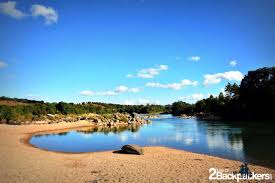
Picture yourself on a vast expanse of golden sand, the Kynshi River flowing crystal-clear on either side, mountains rising in the distance. You're standing on Asia's second-largest river island—yet there are barely a dozen other souls here. No vendors, no selfie sticks. Just the river, the sand, and you.

Located 14 kilometers from Nongstoin in West Khasi Hills, Nongkhnum spans 20-25 square kilometers, making it Meghalaya's largest river island and Asia's second-largest after Assam's Majuli[1]. Discovered only in the late 1990s, it remains pristine and uninhabited, protected by geography and the sacred reverence of local Khasi people who've guarded it for generations[2].


WHERE ONE RIVER BECOMES TWO

Nongkhnum is a geological marvel where the Kynshi River—Wah Kynshi locally—splits into two channels: the Phanliang flowing east and north, the Namliang coursing west and south. These twin arteries reunite downstream, creating a teardrop-shaped sanctuary of sandy beaches, meadows, and riverine forest[3].

Unlike most river islands, Nongkhnum offers rare accessible sandy beaches. The fine golden sand expands dramatically during dry season (October-March) as water levels drop, creating natural camping grounds[4]. The river water is remarkably clear—especially November to February—allowing you to see pebbles several feet below the surface.

As one visitor wrote in 2017: "The place is really beautiful, amidst nowhere. When I reached there was practically no one. You can simply sit and watch the river flow by. It's meditative."[5]


NATURAL ATTRACTIONS

Weinia Falls lies 30-45 minutes from the main beach area. This 60-meter cascade on the Kynshi River is gentle during dry months, thunderous during monsoon[6]. The moderate forest trail rewards hikers with mist-cooled air and the roar of water meeting rock.

Langshiang Falls, further upstream, requires a more challenging 2-3 hour round-trip trek. This multi-tiered cascade tumbling through forest stages offers intimate encounters with Meghalaya's hydrological drama—best visited October to February when trails are manageable[7].


THE EXPERIENCE: GETTING THERE

From Guwahati: 180 km (5-6 hours by private vehicle)[8]
From Shillong: 100-120 km (3-3.5 hours via Mairang and Nongstoin)[9]
From Nongstoin: Final 14 km requires 4WD; roads can be rough

A TripAdvisor reviewer from March 2023 noted: "About 3 hours journey from Shillong. The road condition in the last stretch of about 15 km is a little rough but overall a fantastic drive. A good place for people who love nature and want peaceful time away from the crowd."[10]

The final approach crosses a suspension bridge over the Kynshi, then a 10-15 minute walk to the beach. That moment of arrival brings cognitive dissonance—hours of travel through remote terrain, and then you emerge onto a vast sandy beach that's actually empty.

An Instagram post from July 2025 captured it: "Nongkhnum Island: Asia's 2nd largest river island, where silence speaks louder than the crowd. Pure magic."[11]


WHAT TO DO

Camping is the signature experience. Overnight stays allow you to witness sunset, gather around bonfires, and sleep under Meghalaya's star-filled skies. Camping packages (₹1,500-3,000 per person) include tents, meals, and bonfire. DIY camping is free[12].

River activities during dry season include boating on calm sections, fishing with permission, and swimming in designated safe zones. Local guides know which areas are safe and where currents pose hazards.

Beach meditation: The primary activity is paradoxically inactivity—spread a blanket, wade in shallows, watch the river flow, read, nap, journal. Simply exist in the moment.

Waterfall trekking to Weinia (30-45 minutes) or Langshiang (2-3 hours). Proper footwear essential; local guides strongly recommended (₹500-1,000/day)[13].

Photography and birdwatching: Endless opportunities for landscape shots, sunset photography, and astrophotography. The diverse riverine ecosystem attracts numerous bird species, especially at dawn.


WHEN TO VISIT

November to February: Peak season with temperatures 15-25°C, clear skies, lowest river levels, maximum beach exposure, safest water activities, best stargazing[14].

October, March, April: Shoulder season—still pleasant but warming (March-April) or transitioning from monsoon (October).

June to September: Monsoon brings spectacular waterfalls but dangerous river conditions, restricted camping, and challenging roads. Only for adventurous souls with experienced guides[15].


PRACTICAL INFORMATION

Entry: Free (parking ₹20-50)[16]
Guide fee: ₹500-1,000/day (highly recommended)
Camping cost: DIY free; packages ₹1,500-3,000 per person
Mobile network: Limited/unreliable (BSNL intermittent)
ATMs: None; nearest in Nongstoin (14 km)—bring cash
Permits: None required for Indian nationals

What to bring: Sturdy shoes, quick-dry clothes, sunscreen, insect repellent, water bottles, dry bags, camping gear (if DIY), flashlight, first-aid kit, cash. No shops or restaurants on island—carry all food and water.

Critical: Carry all trash back out. The pristine condition results from active maintenance by local communities. Practice strict Leave No Trace ethics.


ACCOMMODATION

On Island: Camping only. Book through Incredible Meghalaya Tours, Adventura (www.adventura.in), or local Nongstoin operators.

In Nongstoin (14 km):

  • Budget homestays (₹500-1,200): Serene Homestay, AI Homestay, Kiva Homestay
  • Mid-range (₹2,000-3,500): Edena Nongkhnum Island Retreat, Sa-I-Mika Resort[17]

Advance booking recommended for November-February.


CULTURAL CONTEXT

For Khasi people, Nongkhnum holds spiritual significance. The Kynshi River is sacred, and traditional beliefs have preserved the island's pristine condition. The late 1990s discovery was partly due to cultural restrictions on casual visitation[18].

Village headmen (Rangbahs) maintain informal but effective oversight, setting terms: low-impact visitation, no permanent structures, respect for sanctity. This is biocultural conservation—preservation through indigenous community values rather than solely government regulation[19].

The island supports rich biodiversity: endemic plant species, bamboo groves, diverse bird species, small mammals, and abundant fish populations[20].


NEARBY ATTRACTIONS

Kyllang Rock (30 km from Nongstoin): Massive granite dome sacred to Khasi communities. 30-minute trek to summit offers 360-degree views[21].

Mawthadraishan Peak: Highest point in West Khasi Hills (1,963 m) with crater lakes and panoramic vistas.

Nongstoin Town: District headquarters offering authentic Khasi market culture and local life glimpses.


SAFETY ESSENTIALS

Water: Never enter during high-flow/monsoon. Follow guide advice. Supervise children closely. Flash floods possible during heavy upstream rainfall[22].

Trails: Slippery when wet. Proper footwear essential. Stay on established paths. Hike in groups.

Sun: UV intense at altitude. Apply sunscreen regularly, wear hat, seek shade, hydrate.

Waste: Carry everything out. No exceptions.


THE VERDICT

Nongkhnum isn't for luxury-seekers or those wanting easy accessibility. It's for travelers yearning for unspoiled nature, river sounds, star-filled skies, and rare solitude. This is adventure travel without extreme difficulty—just willingness to disconnect, embrace simplicity, and respect nature.

A Facebook visitor in October 2025 declared: "Nongkhnum Island Beach. One of my favourite places in Meghalaya. The tranquility here is unmatched."[23]

In an age when even remote destinations struggle under tourist influxes, finding places where silence dominates is increasingly rare. Nongkhnum represents what's vanishing: true remoteness, genuine quiet, nature on its own terms.

Twenty-five square kilometers of sand, water, and silence. Asia's second-largest river island. And hardly anyone knows it's there.

Go with humility. Leave with memories. And carry the secret gently.


ESSENTIAL INFORMATION

Location: 14 km from Nongstoin, West Khasi Hills
Size: 20-25 sq km | Status: Asia's 2nd largest river island
Distances: Nongstoin 14 km | Shillong 100-120 km | Guwahati 180 km
Best Time: October-March (peak: November-February)
Activities: Camping, beach, boating, trekking, photography, stargazing
Entry: Free | Guide: ₹500-1,000/day
Camping: ₹1,500-3,000 per person (packages)
Contacts: West Khasi Hills Tourism, Nongstoin | www.meghalayatourism.in

Tour Type
Location
Highlight
No

Umiam Lake: Meghalaya's Sparkling Reservoir Of Serenity

UMIAM LAKE
UMIAM LAKE
UMIAM LAKE
UMIAM LAKE
UMIAM LAKE
Audio
SoundHelix-Song-1.mp3
0:00 / 0:00

Barapani (Big Water) | 15 km from Shillong, Ri-Bhoi District

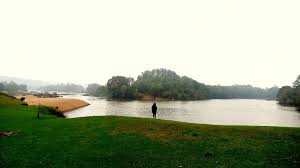
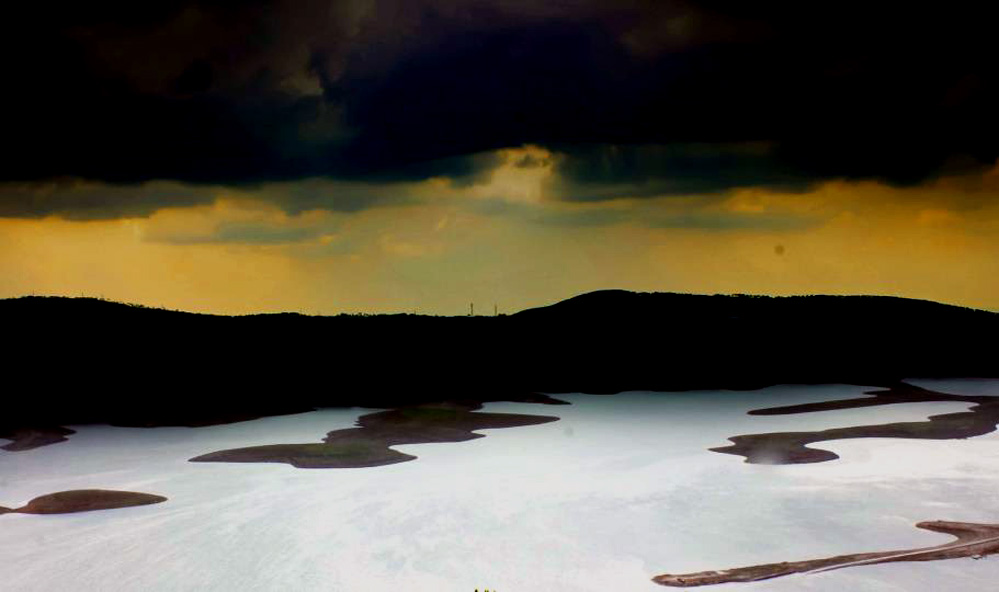
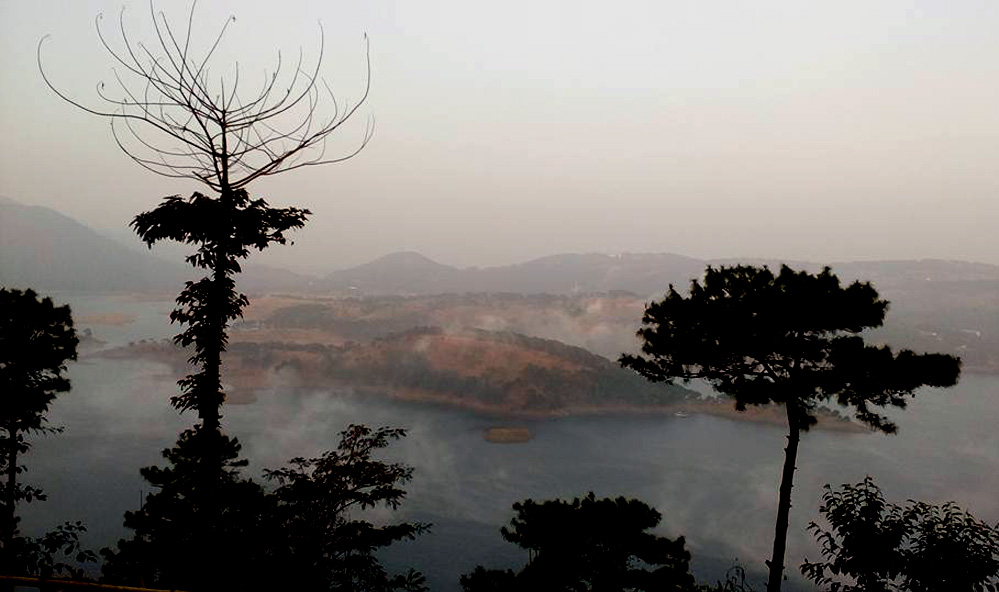
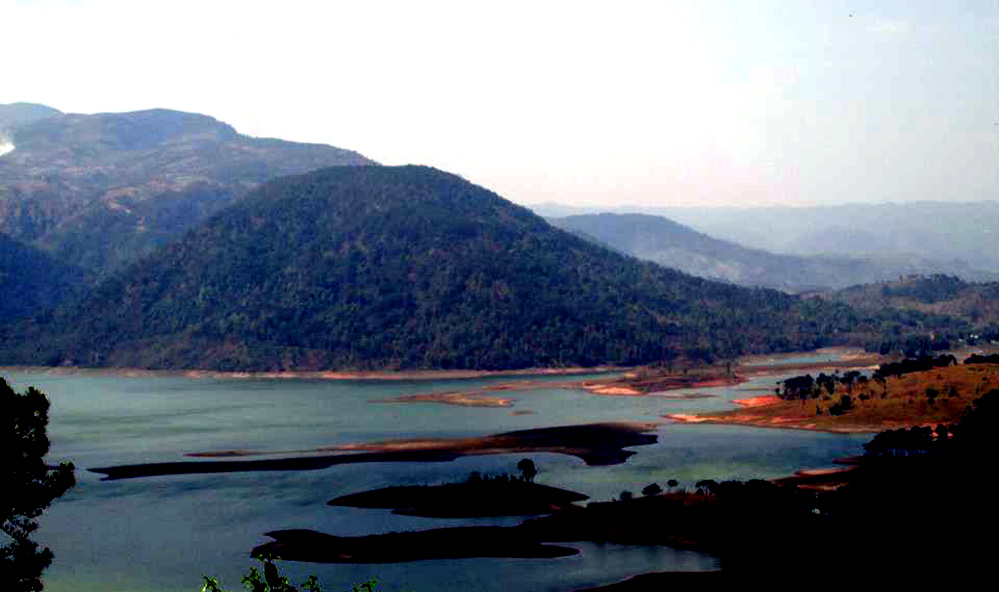
There's something profoundly calming about arriving at Umiam Lake. After navigating Shillong's bustling streets or the winding mountain roads from Guwahati, you suddenly emerge onto a viewpoint where 222 square kilometers of shimmering water unfolds before you, framed by emerald hills and pine-covered slopes that could belong to Scotland as easily as Meghalaya.

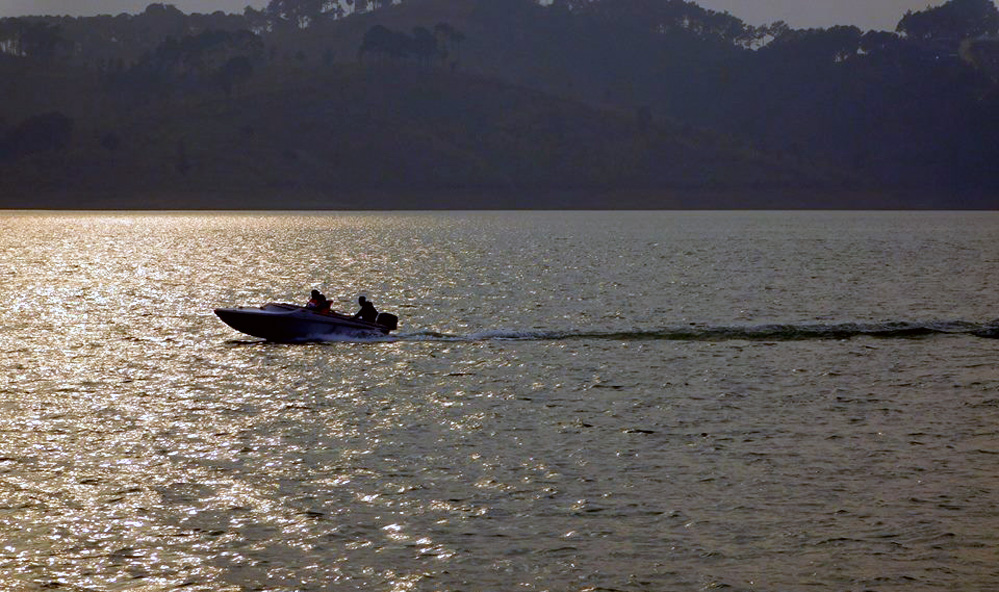
Locally known as Barapani—"big water" in Khasi—Umiam Lake is Northeast India's largest man-made reservoir, born from necessity in the 1960s and matured into one of Meghalaya's most beloved recreational destinations. Unlike the dramatic waterfalls or ancient living structures that demand pilgrimage-like reverence, Umiam offers something simpler: accessible beauty, gentle adventure, and the kind of peaceful afternoon where time measured in water-scooter rides and lakeside chai seems perfectly adequate.

FROM ENGINEERING PROJECT TO SCENIC MARVEL: THE MAKING OF UMIAM

Umiam Lake's origin story is one of practical necessity transformed into accidental beauty. According to Wikipedia, "It was created by damming the Umïam River in the early 1960s. The principal catchment area of the lake and dam is spread over 225 square kilometres" Wikipedia.

Historical Timeline:

1958-1965: Construction Period
The Umiam Dam was built by the Assam State Electricity Board (Meghalaya was part of Assam until 1972) as Northeast India's first major hydroelectric project. According to India Cine Hub: "Umiam Dam, which impounds the lake, was built by the Assam State Electricity Board in the early 1960s. The dam's original purpose was to store water for hydroelectric power generation" India Cine Hub.

March 1, 1966: Official Inauguration
The Shillong Times reported that Dr. Sarvepalli Radhakrishnan, then Vice President of India, formally inaugurated the project on March 1, 1966, marking a significant milestone in regional development The Shillong Times.

1965-Present: Power Generation
The Umiam Stage I powerhouse features four 9-MW turbine-generators that entered commercial operation in 1965, providing 36 MW total capacity Global Energy Observatory.

Evolution into Tourism Destination:
What began as a utilitarian reservoir gradually evolved into Meghalaya's premier water recreation hub. As Meghalaya Tourism notes: "Flanked by hills on all sides and lined by striking roadways and bridges, the gentle Umiam Lake is one of the reasons why the Guwahati-Shillong route is considered one of the most scenic in the region" Meghalaya Tourism.

LOCATION & ACCESSIBILITY: SHILLONG'S BACKYARD PARADISE

Strategic Position:

  • From Guwahati: 75 km (2-2.5 hours) - makes an ideal first stop when entering Meghalaya
  • From Shillong: 15 km (25-30 minutes) - perfect for half-day excursions
  • Elevation: Approximately 1,000 meters above sea level
  • Coordinates: On the Guwahati-Shillong highway (NH6)

A Rome2Rio travel guide confirms: "The fastest way to get from Shillong to Umiam Lake is to taxi which takes 26 min and costs ₹490 - ₹600" Rome2Rio.

This accessibility is Umiam's greatest asset. As a 2025 TripAdvisor reviewer noted: "The location is convenient - just 30 minutes from Shillong city center. Perfect for a morning visit or sunset viewing" TripAdvisor.

ENTRY FEES & TIMINGS (2025-2026)

Current Fee Structure:

  • Lake Entry: ₹50 per person
  • Parking: ₹20-50 depending on vehicle type
  • Water Sports Complex: 8:00 AM - 5:00 PM daily
  • General Access: 9:00 AM - 6:00 PM (viewpoints accessible throughout daylight)

Water Sports Pricing (2025 Rates):

  • Pedal Boats/Kayaking/Canoeing: ₹20-50 for 30 minutes (incredibly affordable!)
  • Motor Boats: ₹100-200 per person (15-20 minutes)
  • Water Scooters: ₹400 for 5 minutes
  • Speed Boats: ₹1,200-1,500 per boat (4-6 passengers, 15 minutes)
  • Water Skiing: ₹500-800 per session
  • Sailing: Available upon request (₹800-1,200)

According to Holidify's comprehensive guide: "Timing of the Water Sports Complex - 8:00 AM to 5:00 PM Every day of the week. Pedal Boating/ Canoeing/ Kayaking - INR 20; Water Scooter Ride (5 minutes) - INR 400" Holidify.

A Travel Triangle reviewer in 2024 noted: "There are nominal entry fees for those interested in the various water sports: INR 20 for a 30-minute pedal boat/canoe/kayak, INR 200 for motorboat rides" Travel Triangle.

ACTIVITIES & EXPERIENCES: WATER SPORTS PARADISE

1. Boating Adventures

Umiam's calm waters make it ideal for various boating experiences. A Facebook visitor enthusiastically shared: "We visited Umiam Lake and had so much fun enjoying the breathtaking views, peaceful vibes, and exciting boat rides. Tickets are required for boating, and each boat costs around ₹1500 — totally worth the experience!" Facebook.

Options:

  • Pedal Boats: Perfect for couples or families, leisurely exploration
  • Kayaking: Single or double kayaks for adventure enthusiasts
  • Motor Boats: Quick tours around the lake
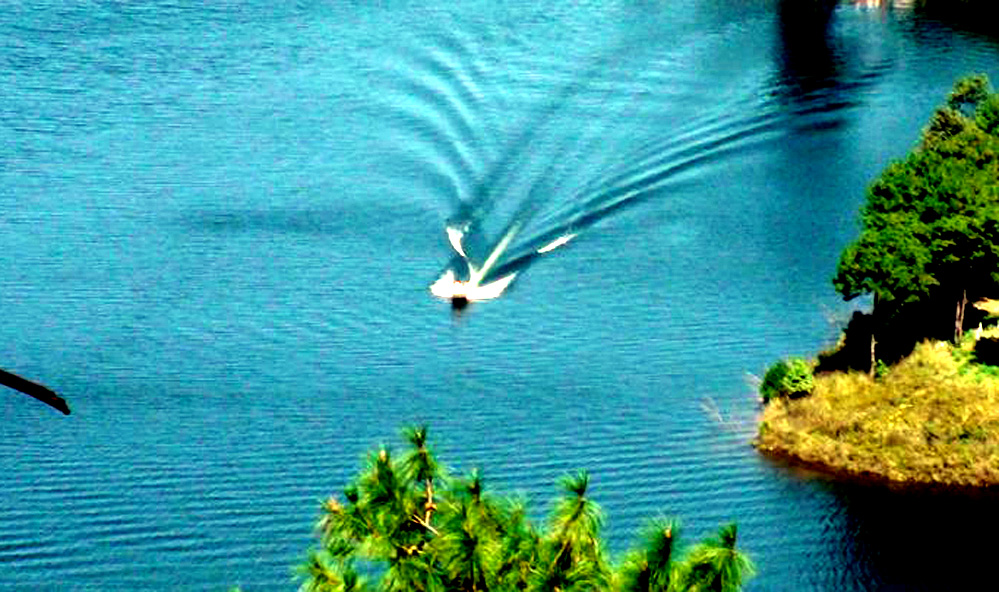
  • Speed Boats: Adrenaline-pumping rides with scenic views

2. Water Sports

According to Ri-Bhoi District's official tourism page: "Offers water sports facilities including sailing, water skiing, water scooter" Ri-Bhoi District.

Hotel Polo Towers describes it as "a haven for adventure enthusiasts. Arrayed with exciting and thrilling activities like boating, kayaking, skiing, and angling, Umiam Lake guarantees a fun experience" Hotel Polo Towers.

3. Picnicking & Relaxation

Lum Nehru Park: Located along the lakeshore, this well-maintained garden offers:

  • Manicured lawns perfect for picnics
  • Walking paths with lake views
  • Children's play areas
  • Photo-op spots
  • Shaded seating areas
  • Basic refreshment stalls

A January 2026 Facebook post mentioned: "The lake also features a beautiful garden named Lum Nehru Park, near its shores that add to its charms. Moreover, there are small islands within the lake that enhance its scenic beauty" Facebook - The India Tapes.

4. Photography & Scenic Viewpoints

Multiple viewpoints along the highway offer stunning panoramas. A Wanderlog reviewer described: "Overall, Umiam Lake is an excellent picnic spot for peace lovers. The calm surroundings, fresh air, and natural beauty make it a place where words are never enough to describe its beauty" Wanderlog.

Best Photography Spots:

  • Highway viewpoint (iconic elevated perspective)
  • Nehru Park waterfront (golden hour magic)
  • Water sports complex pier (close-up lake shots)
  • Umiam Bridge (architectural + landscape combination)

5. Fishing

Angling is permitted in designated areas, attracting fishing enthusiasts. The lake is home to various freshwater fish species.

VISITOR TESTIMONIALS: REAL EXPERIENCES

A May 2024 TripAdvisor reviewer praised: "The place is clean and well maintained, which was a nice surprise. I'd highly recommend coming here either in the morning or late afternoon for the best views. Some activities are always on offer like speed boat rides and some can be organised like kayaking" TripAdvisor.

A MakeMyTrip review noted: "Visitors have praised the lake for its picturesque surroundings, including lush green hills and towering pine trees. The lake offers a variety of experiences from peaceful boat rides to adventurous water sports" MakeMyTrip.

Another TripAdvisor visitor wrote: "Umiam lake is very large with clean water and surrounded by green mountains. One can experience ultimate peace and serenity here. One shouldn't miss boating experience here as boating is one of the major attractions of this place" TripAdvisor.

A Facebook traveler in July 2025 declared: "The Jewel of Shillong! Umiam Lake, also known as Bara Pani, is a stunning reservoir surrounded by lush green hills. It is known for water sports and adventure facilities such as kayaking, water cycling, scooting and boating" Facebook.

BEST TIME TO VISIT: SEASONAL GUIDE

Peak Season (October - March):

According to Capture A Trip: "The best time to visit Meghalaya Umiam Lake is between October and April, when the skies are clear, the weather is cool and pleasant (around 15°C to 25°C)" Capture A Trip.

Why This Period is Ideal:

  • Clear blue skies enhance water color
  • Comfortable temperatures (10-25°C)
  • Minimal rainfall = better water sports conditions
  • Excellent visibility for photography
  • Pleasant for picnics and outdoor activities

Shoulder Season (April - May):

As Tripoto notes: "Summer is the ideal time to visit Umiam Lake if you are interested in water sports and boating. The weather is pleasant and sunny, with an average temperature of around 20°C" Tripoto.

Benefits:

  • Warmer weather perfect for water activities
  • Less crowded than winter peak
  • Longer daylight hours
  • Good for swimming and water sports

Monsoon Season (June - September):

Imity Travels advises: "June to September (Monsoon): The lake looks lush and full during the monsoon, but water sports may be limited due to weather conditions" Imity Travels.

Monsoon Considerations:

  • Lake at maximum capacity (impressive scale)
  • Misty, atmospheric conditions
  • Water sports often suspended
  • Can be eerily beautiful but less interactive
  • Good for photography enthusiasts seeking moody shots

ACCOMMODATION: LAKESIDE LUXURY TO BUDGET OPTIONS

Lakeside Resorts (Premium):

  • Ri Kynjai - Serenity By The Lake: 4-star resort with direct lake access
  • Orchid Lake Resort: Well-established property with water sports facilities
  • La Nicholas Lake View: Mid-range with scenic perspectives
  • Rishat Sngi Orchid Resort: Budget-friendly resort option

Price Range: ₹3,500-15,000 per night depending on season and room category

Budget Options:

  • Guesthouses in nearby villages: ₹800-1,500/night
  • Shillong city hotels (15 km away): ₹1,000-5,000/night with better variety

Day-Trip Recommendation:
Most visitors treat Umiam as a half-day excursion from Shillong, which is practical and cost-effective unless you specifically want the lakeside sunrise/sunset experience.

NEARBY ATTRACTIONS: COMBINING YOUR VISIT

Within 30 km:

  • Shillong City: 15 km (Police Bazaar, Ward's Lake, Cathedral)
  • Elephant Falls: 27 km from Umiam
  • Shillong Peak: 30 km (highest point in Meghalaya)
  • Golf Course: 20 km (one of India's most scenic courses)

Typical Day Itinerary:

  • Morning: Umiam Lake water sports (2-3 hours)
  • Midday: Lunch at lakeside resort or Shillong
  • Afternoon: Elephant Falls visit
  • Evening: Shillong city exploration

PRACTICAL TIPS FOR VISITORS

What to Bring:

  • Light jacket (lakeside can be breezy)
  • Sunscreen and sunglasses
  • Camera with telephoto lens (for distant island shots)
  • Comfortable shoes for walking
  • Cash (card facilities limited at water sports complex)
  • Change of clothes if planning water activities

Best Visiting Strategy:

  • Morning (8-11 AM): Clearest light, fewer crowds, calm water
  • Afternoon (2-5 PM): Peak activity time, all water sports operational
  • Late Afternoon (4-6 PM): Golden hour photography, cooler temperatures

Time Required:

  • Quick viewpoint stop: 30 minutes
  • With boating: 2-3 hours
  • Full water sports experience: 4-5 hours
  • Leisurely picnic day: 5-6 hours

THE VERDICT

Umiam Lake won't deliver the adrenaline rush of a 3,500-step trek or the Instagram-worthiness of turquoise waterfalls, and that's precisely its charm. It's Meghalaya's answer to the question: "Where can I just... relax?"

In a state where most attractions demand physical exertion, cultural sensitivity, or careful timing, Umiam simply asks you to show up. The water will be there, shimmering. The hills will frame it perfectly. The paddle boats will be waiting. The chai vendor will have your order ready.

It's accessible enough for elderly grandparents, exciting enough for restless teenagers, romantic enough for honeymooners, and scenic enough for photographers. That rare democratic destination that delivers exactly what it promises without pretension or difficulty.

Is it Meghalaya's most spectacular sight? No. Is it one of its most pleasant? Absolutely. Sometimes, the best travel experiences aren't about conquering challenges—they're about spending an afternoon doing exactly what you feel like doing, with a beautiful view as backdrop.

For travelers seeking that balance between natural beauty and creature comforts, where adventure is optional rather than mandatory, Umiam Lake hits a sweet spot few destinations manage.

Recommended For: Families, couples, friend groups, photography enthusiasts, water sports lovers, anyone wanting accessible natural beauty

Not Ideal For: Solitude seekers (popular spot!), serious trekkers (no hiking here), budget backpackers (costs can add up with activities)

Overall Rating: 4/5 stars - The perfect buffer between Guwahati's urban chaos and Meghalaya's wilderness


For detailed itineraries, resort bookings, and water sports packages, visit www.shillong.com

Tour Type
Location
Highlight
Yes

PELGA FALLS Near Tura, West Garo Hills, Meghalaya

PELGA FALLS
PELGA FALLS
PELGA FALLS
PELGA FALLS

A waterfall brings no less joy and excitement to the mind. There in lies the real beauty and bounty of the nature. Meghalaya, the land of waterfalls beckons no less tourists in season and out of season who make it an occasion to see and feel the real beauty in the lap of the nature. But have you ever heard visited the Pelga Falls? The tiny spot of interest for the tourists is situated 7 kms away from Tura town where the authorities have made it an ideal spot to promote tourism. Without the foot path the tourists would have failed to reach the roaring water fall in the in tiny place of Garo hills. Pelga fall is not alone to strike the attention of the tourists. At a stone’s throw distance is a traditional bamboo bridge of the Garo people over the river Ganol which keeps throbbing with tourists footfalls.

How to reach: 

Nearest airport is the Guwahati Airport. Helicopters are available from Guwahati to Tura. Nearest railway station is Guwahati railway station. By road Guwahati to Tura is 219kms, via Shillong it is 323 kms. By road Shillong to Tura is 167kms via NH – 17/37 and NH – 51. Tura to Pelga Falls is 7kms.

Best time to visit: 
November to March.
Tour Type
Location

RONG'BANG DARE WATERFALLS, Rombagre village, Tura-Williamnagar Road, Garo Hills, Meghalaya

RONG'BANG DARE WATERFALLS

Situated on the Tura-Williamnagar Road, is the Rong’Bang Dare waterfalls, which is a tributary of the Simsang river. It falls a little ahead of Rombagre village. The real charm and grandeur can only be felt when one goes down to the place at the bottom of the waterfalls. This scintillating waterfall of immense visual beauty is best during the monsoon months.

Motorists driving from Asanagre towards Williamnagar can enjoy a picturesque view of the waterfall. Despite the fact that the fall is situated about crow-flight kilometres away from the highway, the broadness and depth of the waterfall is enough to make it clearly visible and is sheer ecstasy. Surrounded amidst vast evergreen hills of swaying bamboos, this waterfall leaves the viewers with memories of blissful joy.

How to reach: 

Nearest airport is the Guwahati Airport. Helicopters are available from Guwahati to Tura. Nearest railway station is Guwahati railway station. By road Guwahati to Tura is 219kms, via Shillong it is 323 kms. By road Shillong to Tura is 167kms via NH – 17/37 and NH – 51. Tura to Rong’Bang Dare is 7kms.

Best time to visit: 
Winter
Tour Type
Location

IMIL-CHANG-DARE FALLS Tura-Chokpot Road, West Garo Hills, Meghalaya

IMIL-CHANG-DARE FALLS

Situated near the Tura-Chokpot road in West Garo Hills district of Meghalaya, is the Imil-Chang-Dare, a beautiful and stunning waterfall. The place with its picturesque beauty amidst lush green surrounding and crystal clear flowing of water in a gush from a height is surely a treat for the eyes. Tall creepers and elegant climbers add to the charm of this waterfall.

The deep, large pool at the bottom of the fall, with its breath-taking surroundings create an exciting swimming pool. This pool is home to a  variety of fishes of different sizes and colours. This waterfall of unique beauty serves as a perfect spot for picnics. The best time to visit this place would be during April – June or September – October.

How to reach: 

Nearest airport is the Guwahati Airport. Helicopters are available from Guwahati to Tura. Nearest railway station is Guwahati railway station. By road Guwahati to Tura is 219kms, via Shillong it is 323 kms. By road Shillong to Tura is 167kms via NH 17/NH 37 and NH 51. Tura to Imil-Chang-Dare waterfalls is 35kms.

Best time to visit: 
September to October

 
Tour Type
Location

THLUMUWI FALLS , Jowai Amlarem Road, West Jaintia Hills

THLUMUWI FALLS
THLUMUWI FALLS
THLUMUWI FALLS
THLUMUWI FALLS

This striking and historicwaterfallis located in a place called Thlumuwi in the Jaintia Hills District of Meghalaya. The beautiful Thlumuwi Falls is on the Jowai Amlarem Road in a small place called Thlumuwi. There is a graveled path that has been constructed along with signage for visitors and tourists to visit this spectacular waterfall. This picturesque Thlumuwi waterfall overlooking this grand stone bridge situated on the banks of the Thlumuwi stream, offers a panoramic and breathtaking view. 
 
During the rule of the Jaintia King, the summer capital of the Kingdom was shifted from Sutnga to Nartiang. Two of his trusted lieutenants, U Mar Phalyngki and U Luh Lyngskor Lamare built a bridle path from Nartiang to Jaintiapur so that the King and his escorts could frequently shuttle without disrupt between Jaintiapur, the regular capital and Nartiang, the summer capital. A strong stone bridge was constructed over the Thlumuwi stream and this bridle path was completed. This magnificent bridge was sustained upon massive and tall pillars of stone and was made of huge stone pieces. However, during the turn of the present century, one of the stone pieces of this bridge collapsed when an elephant trader, involved in a Keddah Operation, on his way to Sylhet led his elephants through this bridge. This broken stone bridge is still in its place.
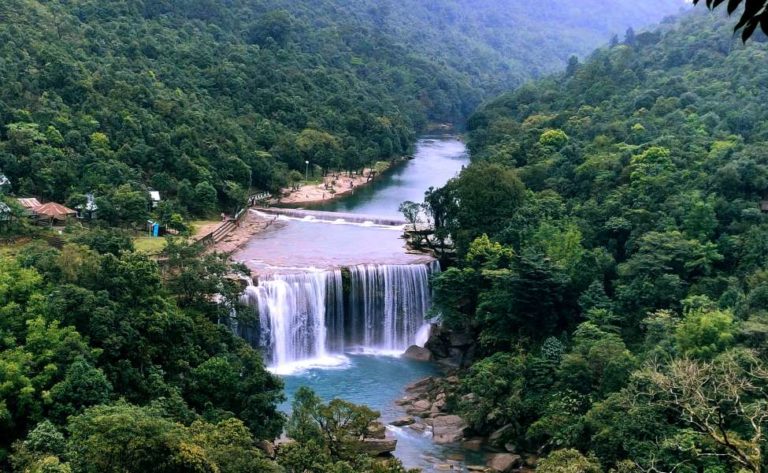

 
The best time to visit Thlumuwi Falls is from September to May. The nearest railway station is Guwahati Railway Junction. There is also a helicopter service from Guwahati to Shillong. It is approximately 100 kms. from Guwahati to Shillong via NH 40. Shillong to Jowai is 36 kms. via NH 17, NH 37 and NH 51. Thlumuwi Falls is 16 kms. from Jowai.


How to reach: 

Nearest Airhead :Helicopter, Guwahati to Shillong
Nearest Railway Station: Guwahati,(176 Kms)
Guwhati to Shillong,(99.5 km) via NH 40
National Highway: NH17/NH37 and NH 51
shillong to Jowai (36 kms)
jowai to Thlumuwi falls,(16 kms)

Best time to visit: 
September To May
Location

Laho Dance

Meghalaya, the abode of a number of colourful tribes always is known for festive seasons. Tribes both Christians and non Christians have different faiths. They worship different gods and goddess. The Laho dance, the name of an entertainment festival of the Jaintia people makes Meghalaya no less proud which help the north eastern state beckon umpteen number of tourists from the country and abroad in April each year.

Dressed in their traditional attire, the energetic men and women throng the festival venue in the Jaintia Hills district where they participate in the dance---two young man and woman each other holding their arms. There is hardly any use of drum and pipe in this festival. These dance is generally conducted by a cheer leader who recites the ribald couplets to ensure fun and frolics.

Date
Location/Venue

Shillong Dotcom brings news, views, business, tourists into one platform.  

Address: Shillong Dotcom, c/o: Online Tent Service Centre, Pynthorbah Block 2 Church Street Shillong - 793001, Meghalaya. INDIA.

For inquiries, collaboration, please contact us at: office@shillong.com, sam@shillong.com. Phone: 6033091345.