Dzukou Valley: A Tapestry of Green

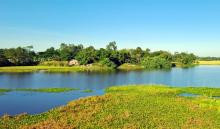
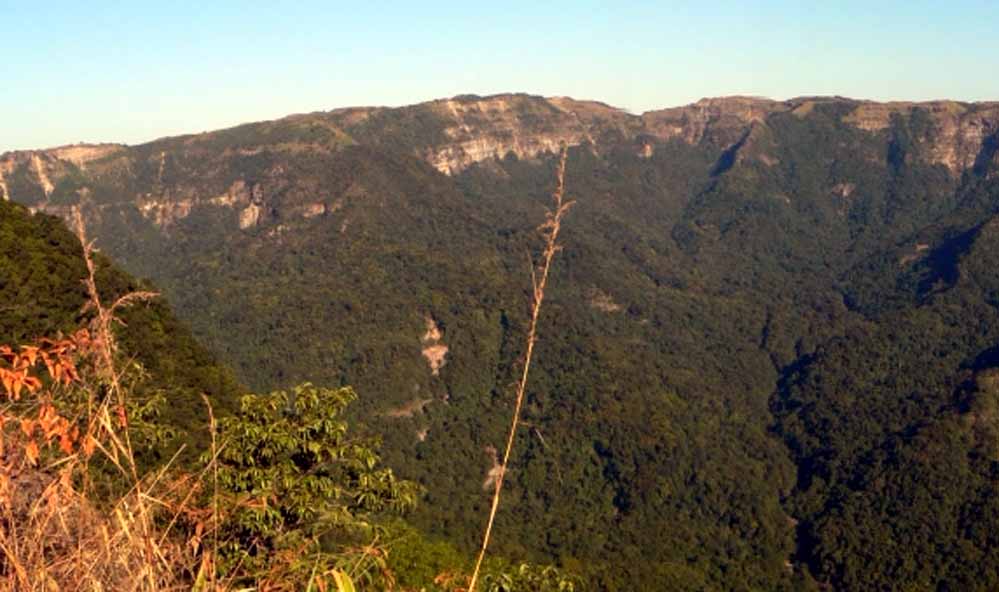
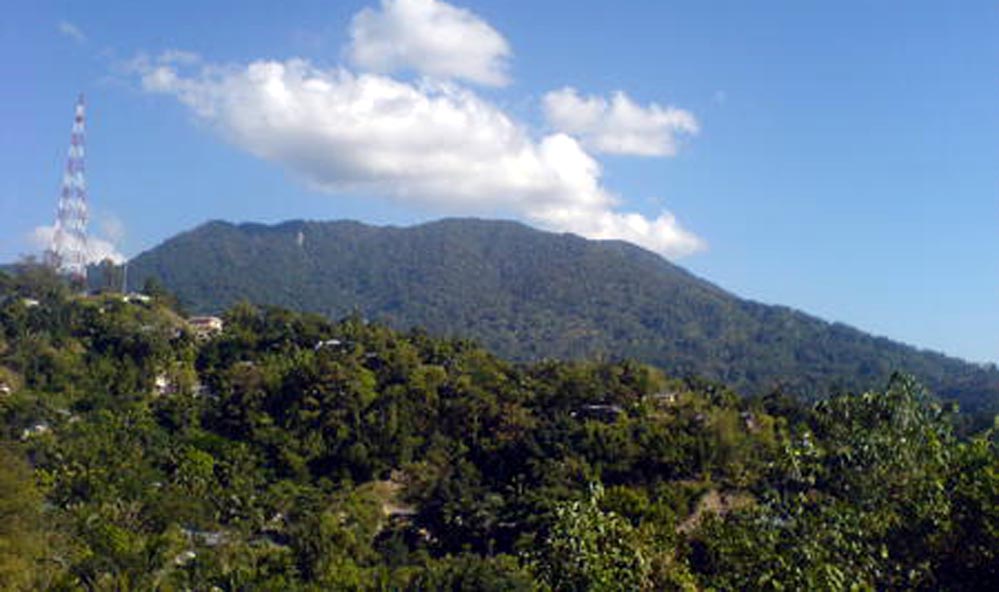
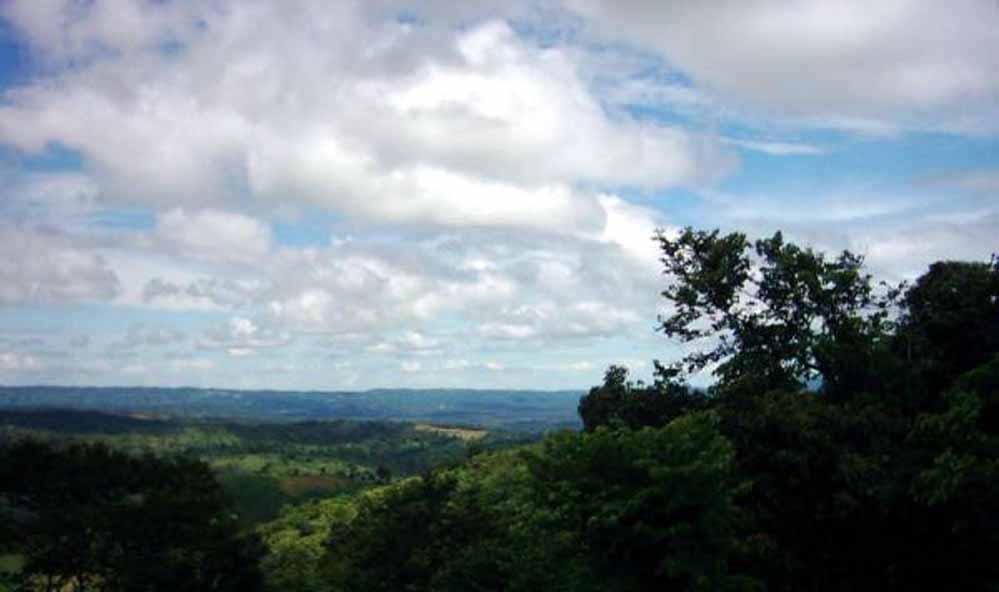
Dzukou Valley, often hailed as the 'Valley of Flowers' of Northeast India, is a pristine paradise hidden away from the world. Carpeted in a lush green blanket of unique bamboo, this enchanting valley is a dream for nature enthusiasts and adventure seekers alike.

Day-by-Day Itinerary

Day 1: Arrival in Kohima

  • Arrive at Dimapur Airport/Railway Station and transfer to Kohima.
  • Check-in to your hotel and explore the vibrant capital of Nagaland.

Day 2: Trek to Dzukou Valley

Tags

Assam Wildlife Adventure: A Jungle Odyssey

Assam, a northeastern jewel in India's crown, is a wildlife enthusiast's paradise. Home to a diverse array of flora and fauna, this state boasts several national parks that offer unparalleled opportunities to witness nature's wonders up close. This five-day itinerary takes you on a thrilling safari through some of Assam's most iconic wildlife sanctuaries.

Tags

Assam: A Tapestry of Heritage and Wildlife

Assam, a northeastern gem, offers a unique blend of rich heritage, diverse wildlife, and breathtaking landscapes. This seven-day itinerary takes you on a journey through the heart of Assam, exploring its iconic tea estates, serene river islands, and vibrant wildlife sanctuaries.

Day-by-Day Itinerary

Day 1: Dibrugarh - The Tea Capital Arrive in Dibrugarh, the heart of Assam's tea industry. Check into Mancotta Chang Bungalow, a heritage property. Immerse yourself in the world of tea with an evening visit to a local tea estate.

Tags

SIJU BAT CAVE (DOBAKHOL): India's Third-Longest Cave System, Meghalaya

SIJU BAT CAVE
SIJU BAT CAVE
SIJU BAT CAVE
SIJU BAT CAVE
SIJU BAT CAVE
Audio
SoundHelix-Song-1.mp3
0:00 / 0:00

A journey 30 kilometres from Baghmara reveals India's third-longest cave system, where tens of thousands of bats guard secrets dating back 40 million years

By Travel Correspondent South Garo Hills, Meghalaya


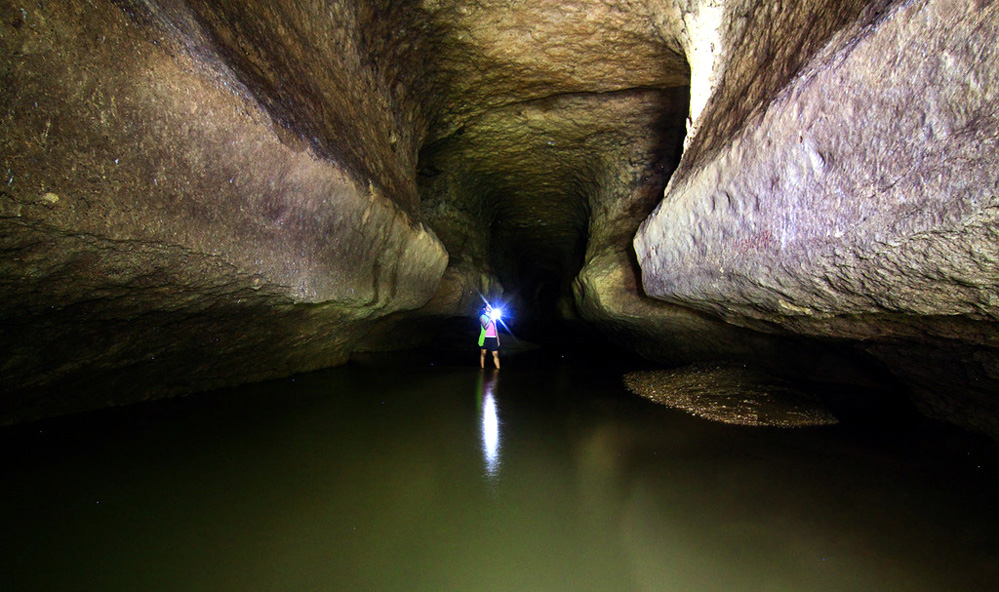
The first thing that hits you isn't the darkness—it's the sound. A rustling, fluttering symphony of tens of thousands of wings. Then your headlamp catches them: bats. Everywhere. Clinging to limestone ceilings that glisten with moisture, swooping through passages carved over millennia by water and time.

Welcome to Siju Cave, locally known as Dobakhol—the Cave of Bats—where nature has spent 40 million years building an underground cathedral that still takes your breath away.

A CENTURY OF SCIENTIFIC FASCINATION

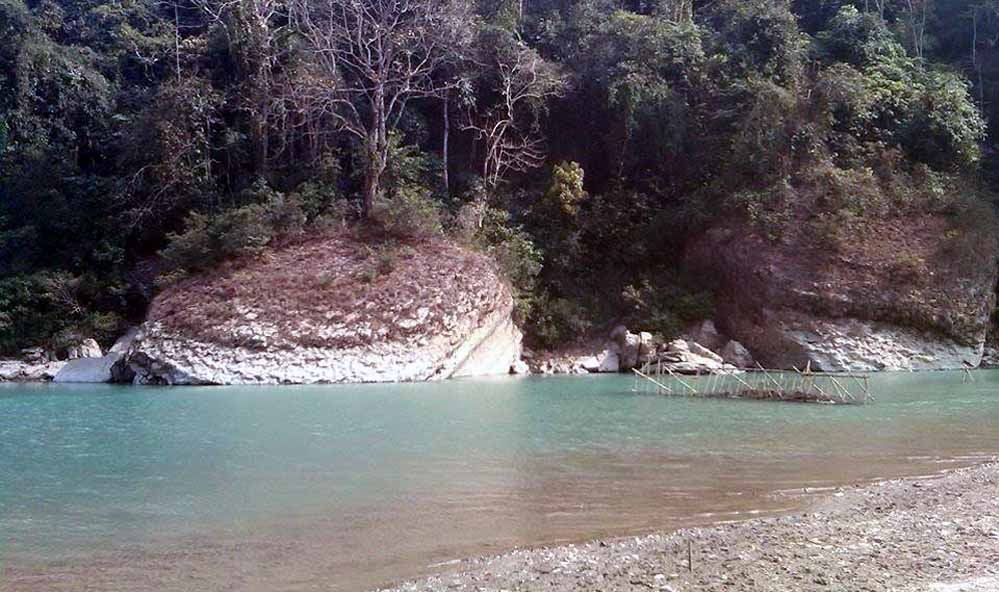
Perched on the banks of the Simsang River in South Garo Hills, this massive limestone cave system has captivated explorers since 1875, when Mr. Sanderson, Superintendent of the Government Kheddans, first ventured into its maze-like corridors. But it was the British Geological Survey's three-week expedition in January 1922 that put Siju on the scientific map.

Those early researchers documented over 102 species inhabiting the cave—a staggering diversity that made Siju one of the most thoroughly studied cave ecosystems in the Indian subcontinent. Today, it holds the distinction of being India's third-longest cave, though extensive sections remain unexplored, their secrets still locked in darkness.

Dr. Laishram Kosygin of the Zoological Survey of India, who led a recent expedition to the cave in 2024, says the comparison with 1922 data reveals troubling changes. "We recorded only 36 species this time, though we did find 11 new records," he explains. "Some species that were abundant a century ago have become rare or disappeared entirely."

WHERE GEOLOGY MEETS BIOLOGY

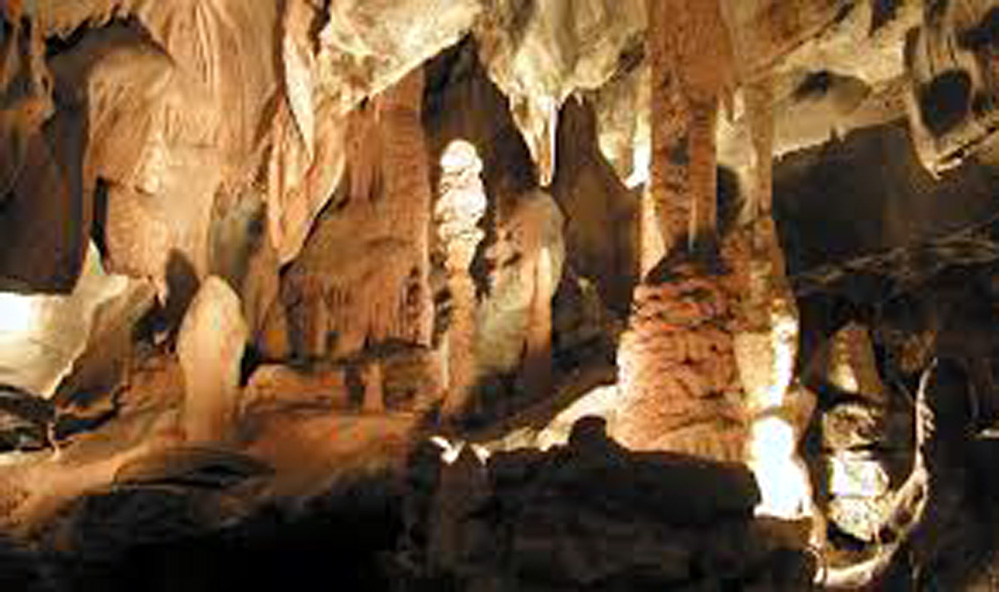
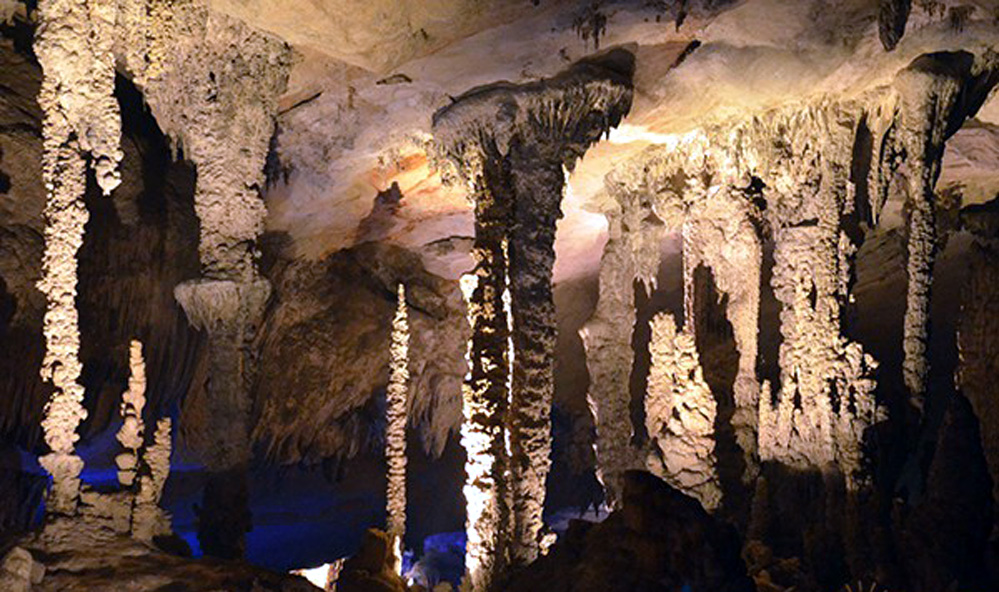
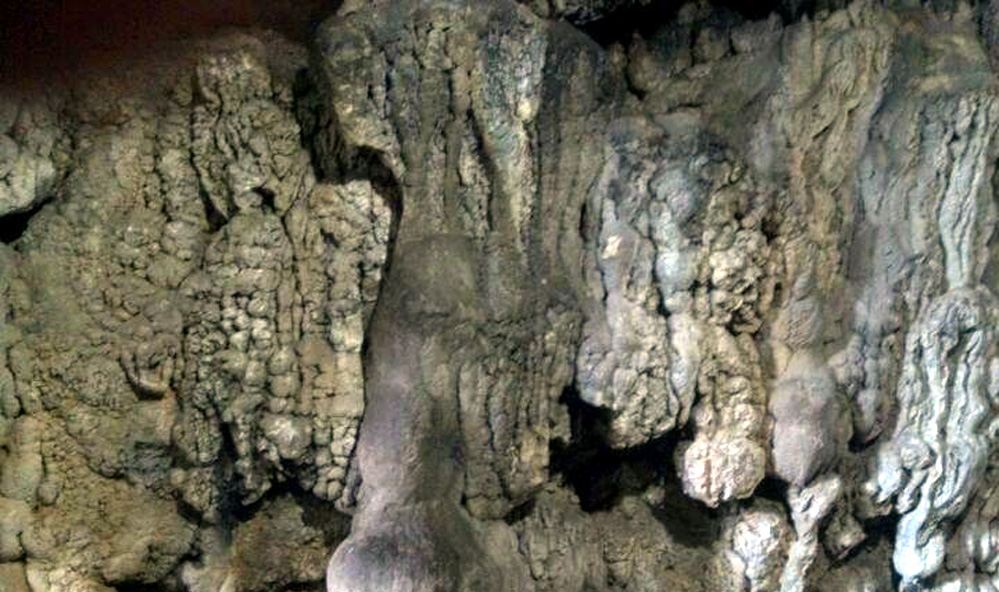
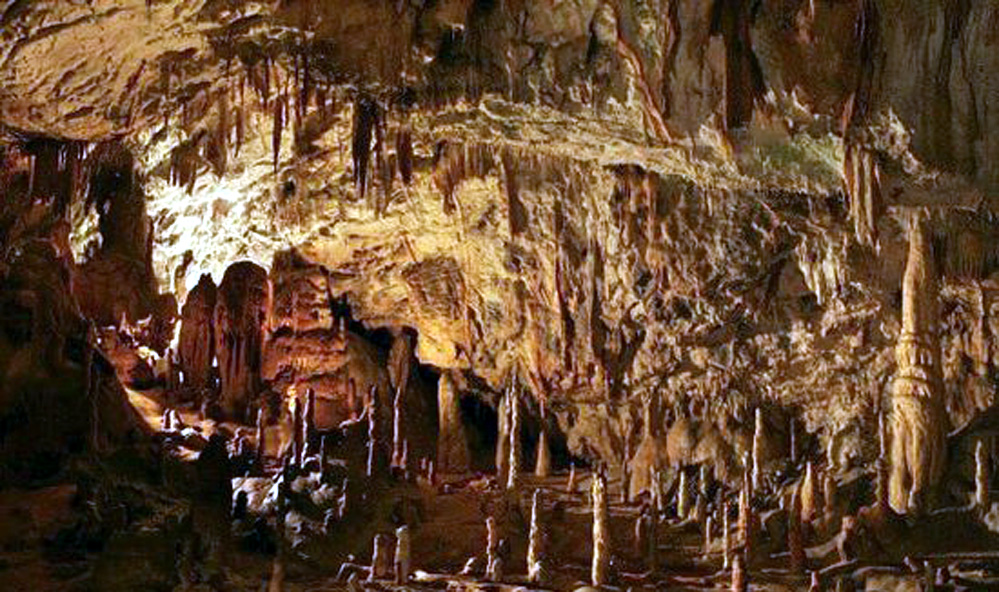
The cave itself is a geological marvel—a karst system carved from Middle Eocene limestone formations dating back 40 to 48 million years. Walk through its passages and you're literally stepping through time, past stalactites hanging like stone icicles and stalagmites rising from the floor like ancient pillars in some forgotten temple.

"The formations here are spectacular," says Viu, a local guide who has been leading tourists through Siju for over a decade. "But what most people don't realize is that every one of those stalactites took thousands of years to form. When tourists touch them, the oils from their hands stop the mineral deposits. That formation stops growing."

The cave extends roughly four to five kilometres into the hillside, though only about one kilometre is accessible to tourists. Underground streams still flow through certain passages—the same water that's been sculpting these chambers for millennia. During monsoon season from June to September, water levels can rise dramatically and without warning, making the cave dangerous to enter.

THE BAT KINGDOM

But it's the bats that truly define Siju. Research by Y.P. Sinha of the Zoological Survey of India documented multiple species, including the Indian Short-nosed Fruit Bat (Cynopterus sphinx), Little Horseshoe Bat (Rhinolophus subbadius), and Kelaart's Leaf-nosed Bat (Hipposideros lankadiva).

"People think bats are scary, but they're actually crucial," explains environmentalist Rongsa Awe, who visited the cave last year. "They pollinate plants, control insect populations, and their guano supports the entire cave ecosystem. Without them, this whole underground world collapses."

Meghalaya is home to 65 bat species—roughly half of India's entire bat diversity—making caves like Siju critical conservation sites. Yet the 2024 survey found bat populations had declined since historical records.

RARE FISH IN DARK WATERS

In 1987, scientists made another remarkable discovery: Schistura sijuensis, a rare species of cave loach found nowhere else on Earth. This small fish, now classified as endangered, represents an evolutionary snapshot—a species adapting in real-time to life in perpetual darkness.

"It still has eyes, unlike some fully cave-adapted fish," notes ichthyologist Dr. Neelesh Dahanukar, "which suggests the adaptation process is ongoing. In a few million years, who knows? It might lose those eyes entirely."

More recently, researchers documented the world's largest cave fish in Meghalaya's cave systems—a troglomorphic form related to the golden mahseer, weighing several kilograms and measuring over a metre long.

THE EXPLORER'S EXPERIENCE

Visiting Siju isn't for the faint-hearted. From Baghmara, the nearest town 30 kilometres away, the road winds through dense forest before reaching Siju village. There, mandatory local guides brief visitors on safety protocols before the descent begins.

"Siju is not a tourist trap where you take selfies and leave," warns travel blogger Maya Sharma, who documented her visit in May 2024. "You'll wade through water, crawl through narrow passages, and spend two hours in total darkness except for your headlamp. But that's exactly what makes it incredible."

The experience is immersive and visceral. Rough limestone walls scrape your shoulders in tight passages. Underground streams soak your boots. The air smells of damp earth and guano. And through it all, the bats—thousands upon thousands of them—create an otherworldly atmosphere that one visitor described as "the moment I felt like Batman."

Tripadvisor reviewer Ankit Desai wrote in 2025: "Carry waterproof shoes—the rocks are slippery. Overall, it was a great experience! Beautiful caves, around 1 km walkable inside. Shiny limestone rocks everywhere."

PLANNING THE JOURNEY

Getting There: From Guwahati (220 km), travel via Tura to Baghmara, then to Siju. The journey takes roughly 8-9 hours. From Shillong, it's about 285 kilometres through winding mountain roads.

Best Season: November to March, when the weather is dry and water levels are low. Avoid monsoon season (June-September) when flash floods pose serious risks and leeches make trekking miserable.

What to Bring: Headlamps with spare batteries (essential), waterproof trekking shoes, quick-dry clothing, waterproof bags for electronics, water, and energy snacks. Guides are mandatory and can be arranged through Baghmara or Siju village.

Where to Stay: Baghmara offers basic guesthouses (₹700-1,200 per night). For a more authentic experience, homestays near Siju village provide traditional Garo meals and cultural insights, with hosts who can arrange guides and transport.

Cost: Budget ₹4,000-5,000 per person for a two-day trip including transport, accommodation, food, guide fees (₹500-1,000 per group), and entry fees (₹20-200 depending on nationality).

BEYOND THE CAVE

The surrounding area offers additional attractions worth exploring. The Siju Bird Sanctuary, adjacent to the cave, harbours rare hornbills and kingfishers best spotted in early morning. The Simsang River provides opportunities for rafting, fishing, and swimming in designated zones during dry season.

Further afield, Nokrek Biosphere Reserve (50 km) protects red pandas and hoolock gibbons, while Balpakram National Park (60 km)—known as the "Land of Spirits" in Garo mythology—offers dramatic canyon vistas. Many visitors combine Siju with nearby Wari Chora, a recently discovered river canyon perfect for kayaking.

CONSERVATION CONCERNS

Yet Siju Cave faces mounting pressures. Tourism, while bringing economic benefits, also brings waste, noise disturbance to bats, and damage to formations. Limestone mining in nearby areas threatens the entire karst system. Climate change is altering rainfall patterns, affecting both cave hydrology and the species that depend on stable conditions.

"The comparison between 1922 and 2024 data is a wake-up call," says Dr. Kosygin. "We even found an eyeless cave cockroach—a new species showing advanced cave adaptation. But we're also losing species. If we don't manage tourism properly, if mining continues unchecked, we could lose something irreplaceable."

Local communities are responding. Guide cooperatives enforce strict no-littering rules. Sensitive breeding areas remain off-limits. Educational programs teach visitors about cave ecology and conservation.

"This is our heritage," says Viu, the guide. "Our grandparents' grandparents knew this cave. We want our grandchildren to know it too. But that only happens if visitors respect what they're seeing."

A LIVING LABORATORY

For scientists, Siju remains a treasure trove. Ongoing research examines how cave species adapt to extreme environments—findings that could inform everything from astrobiology to climate change resilience. Speleothem dating helps reconstruct paleoclimates stretching back thousands of years. Each expedition reveals new species or behaviours previously unknown to science.

The cave's research legacy spans over a century, from Stanley Kemp and Baini Prashad Chopra's pioneering 1922 survey (published in Records of the Indian Museum, Vol. 26) to cutting-edge genetic studies of endemic fish. This continuity of scientific attention makes Siju one of the best-documented cave ecosystems in Asia.

THE VERDICT

Siju Cave isn't easy to reach. The roads are rough, the facilities basic, the exploration physically demanding. But for those willing to make the journey, it offers something increasingly rare: a genuine adventure into one of Earth's last wild frontiers.

Standing in those vast chambers with bats wheeling overhead, limestone formations gleaming in your headlamp's beam, and the weight of 40 million years pressing down from above, you understand why researchers have been coming here for over a century. You understand why local guides speak of the cave with reverence. You understand that some places demand to be experienced, not merely visited.

Siju Cave is one of those places.


ESSENTIAL INFORMATION

Location: 30 km from Baghmara, South Garo Hills, Meghalaya
Distance from major cities: Guwahati (220 km), Shillong (285 km)
Best time: November-March
Entry: ₹20-200 (guide mandatory)
Duration: 1.5-2 hours inside cave
Difficulty: Moderate
Contact: Baghmara Tourism Office, +91-3639-222001

Safety Note: Never enter during monsoon. Water levels can rise without warning. Always follow guide instructions.


The writer travelled to Siju Cave in January 2026. Research support provided by Zoological Survey of India archives and Meghalaya Tourism.

Location

UMLAWAN CAVE: Where Ancient Rivers Carved Asia's Underground Maze, Meghalaya

Umlawan Cave
Umlawan Cave
Audio
SoundHelix-Song-1.mp3
0:00 / 0:00

In a quiet village 60 kilometres from Jowai, the Kotsati-Umlawan cave system stretches over 21 kilometres through Meghalaya's limestone heart—but its future hangs in the balance

By Travel Correspondent Lumshnong Village, West Jaintia Hills


The entrance to Krem Kotsati sits unremarkable in the center of Lumshnong village—just another hole in the limestone. But step inside, and you enter one of Asia's most extraordinary underground labyrinths. During the dry season, you wade through crystal-clear water. During monsoons, the entrance disappears entirely beneath rising floods, sealing shut a 21-kilometre network of passages that took millions of years to carve.

This is the Kotsati-Umlawan cave system—or simply Umlawan Cave to most visitors—where interconnected chambers, underground rivers, and passages weave through the Jaintia Hills like capillaries through stone. For years, it held the title of the longest cave in the Indian subcontinent. Today, though eclipsed by nearby Krem Liat Prah (22 kilometres), it remains one of the region's most spectacular geological wonders.

And one of the most threatened.

A VILLAGE THAT BECAME FAMOUS OVERNIGHT

Lumshnong was once just another village in Meghalaya's cave-riddled landscape. That changed when international caving expeditions in the 1990s and early 2000s began mapping what locals had always known existed beneath their feet.

The breakthrough came when British caver Simon Brooks and his team established connections between multiple cave entrances—Krem Kotsati, Krem Umshor, Krem Umtyongai, and others—revealing they were all part of one massive system. By the time surveyors finished mapping accessible sections, the Kotsati-Umlawan network measured over 21 kilometres in length with a vertical range of 187 metres.

"As per information, the famous Umlawan cave is interconnected," noted early survey reports. "Brooks reached Virgin River in Krem Umlawan and established the Krem Kotsati-Umlawan cave system."

The inconspicuous village suddenly found itself at the center of international caving attention. Tour operators began bringing adventure tourists. Scientists arrived to study the geology and biology. And Lumshnong became synonymous with one thing: caves.

TWENTY-FOUR ENTRANCES TO AN UNDERGROUND WORLD

What makes the Kotsati-Umlawan system extraordinary isn't just its length—it's its complexity. The network comprises at least 24 known entrances, both horizontal and vertical, scattered across the limestone landscape around Lumshnong village.

Each entrance leads into a different section of the maze. Krem Kotsati, the main entrance in the village center, requires swimming during certain seasons. Krem Umlawan, located about 60 kilometres from Jowai, offers easier access and has become the primary tourist entry point. Other caves in the network—Krem Umskor, Krem Umsynrang Liehwait, Krem Wahjajew—remain known primarily to serious cavers and local guides.

"The cave system is a river cave of asymmetric dendritic pattern," explains documentation from the Himalayan Journal. "Its main passages follow underground streams that have been carving these channels for millions of years."

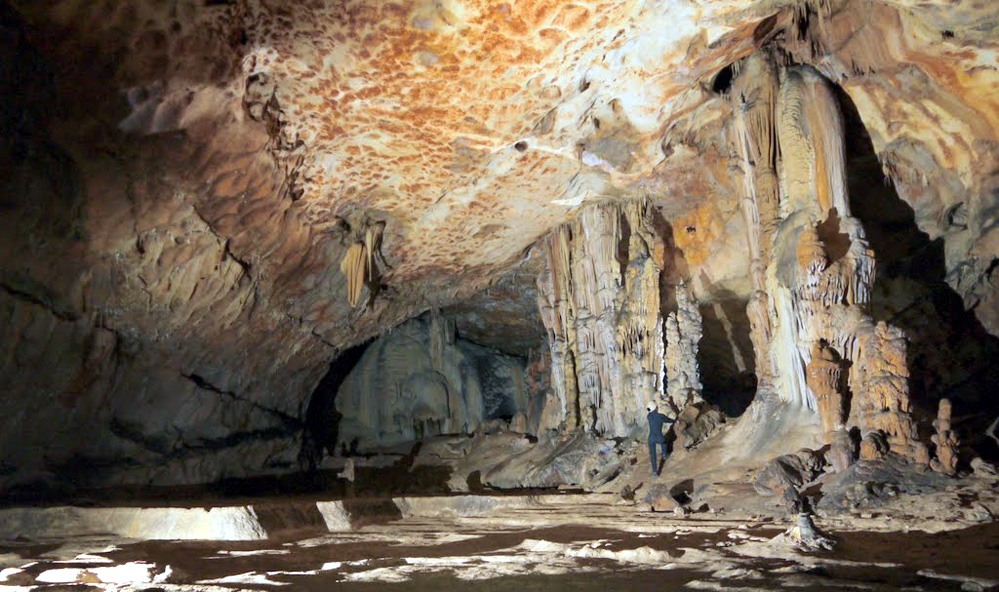
Walk through the accessible sections and you encounter chambers large enough to hold cathedrals, passages so narrow you must crawl, and formations that seem to defy gravity. Stalactites hang like frozen chandeliers. Stalagmites rise like ancient pillars. In some chambers, the two have merged over millennia, creating columns that stretch from floor to ceiling.

"It was a beauty," wrote a Tripadvisor reviewer in 2025. "Enough light inside to see the cave and the rocks. Some of them look like art of Michelangelo and so look like natural animals and kids playing around."

THE GEOLOGY OF TIME

The caves tell a story written in limestone—a narrative that begins millions of years ago when this region lay beneath ancient seas. Marine organisms died and accumulated, their calcium carbonate shells compressing into thick limestone beds. As tectonic forces lifted the land, creating the Meghalaya plateau, slightly acidic rainwater began its patient work.

Drop by drop, year by year, century by century, water seeped through cracks in the limestone. The weak carbonic acid dissolved rock along fracture lines, widening them into passages. Underground streams carved larger channels. Chambers formed where softer limestone eroded faster. And slowly—imperceptibly slowly to human timescales—the caves grew.

Today, the process continues. Water still flows through many passages, still carving, still dissolving, still creating. The formations visitors admire—the stalactites, stalagmites, flowstones, and curtains—represent calcite re-deposited by mineral-rich water dripping through the cave. Each formation grows at a rate measured in millimeters per century.

"The cave boasts an intricate network of subterranean passages, massive chambers, and natural labyrinths formed by the erosive actions of water on limestone," notes recent tourism documentation. "These formations attract a large number of tourists from different places."

The vertical range of 187 metres—the difference between the highest and lowest points in the system—hints at the original landscape before erosion. The cave system essentially preserves a three-dimensional map of how water once flowed through this region, before surface rivers carved the valleys visible today.

THE EXPLORER'S JOURNEY

Visiting Umlawan Cave isn't a casual afternoon outing. From Jowai, the district headquarters, you travel 60 kilometres through winding roads that climb into the Jaintia Hills. The journey passes villages, forests, and eventually Lumshnong—where you'll need to arrange local guides.

Unlike the more developed Mawsmai Cave in Cherrapunji, Umlawan retains its raw, adventurous character. There are no concrete pathways, no permanent lighting, no gift shops. What you get is authentic caving.

The experience varies dramatically by entrance. Enter through Krem Kotsati and you may need to swim—the entrance floods during monsoon and stays partially submerged for months. Choose Krem Umlawan's main entrance and you walk into passages lit by fellow explorers' headlamps, with limestone walls glistening in the artificial light.

"It was a near ten-minute thrilling experience to trek through the cave," wrote one visitor on Tripadvisor. "The inside was well-lit due to a few other travellers carrying torches... These caves have a rockier path than the more popular Mawsmai caves however were much more fun to explore. They have much larger pathways than Mawsmai."

Inside, the cave maintains a constant cool temperature regardless of the season outside. The air smells of damp stone and earth. Water drips from the ceiling—the same dripping that's been building formations for millennia. Your footsteps echo in larger chambers, then disappear into dead silence in tighter passages.

The accessible tourist section covers perhaps a kilometre of walking, enough to give a taste of the system's scale. But beyond lie unexplored passages, chambers no human has seen, rivers flowing through darkness that continues for kilometres more.

"Great adventure," summarized another reviewer simply. The consensus among visitors is clear: come prepared for actual caving, not a sanitized tourist experience, and you'll be rewarded with something genuinely special.

WHEN TO VISIT

Timing a visit to Umlawan Cave requires understanding the region's dramatic monsoon cycle. Meghalaya receives some of the heaviest rainfall on Earth—nearby Cherrapunji and Mawsynram compete for the title of world's wettest place. That rain transforms cave systems from November to June.

Best Season: November to April

This dry season offers optimal conditions. Cave entrances remain accessible. Water levels in underground passages stay manageable. The risk of flash flooding drops significantly. And the weather makes the journey to Lumshnong more comfortable.

"The best time to visit Umlawan Cave is during the dry season, from November to April, when the weather is pleasant for exploring the cave and surrounding areas," advises current travel documentation. "This period also coincides with many local festivals and events, offering a vibrant cultural experience for visitors."

Avoid: Monsoon Season (June-September)

During these months, the Krem Kotsati entrance becomes completely submerged. Other entrances may flood partially. Underground river levels rise rapidly—and unpredictably. What might be a safe passage in the morning can become a raging torrent by afternoon.

Even if the caves themselves remain technically accessible, the journey to reach them becomes treacherous. Roads turn muddy. Landslides block routes. The constant rain makes outdoor activities miserable.

"The entrance is submerged during monsoons," warn multiple sources. "One needs to swim to enter the cave."

THE MINING THREAT

But the biggest threat to Umlawan Cave doesn't come from weather—it comes from industry.

Lumshnong sits in one of Meghalaya's richest limestone deposits. The same geological formations that created the cave system attract cement companies hungry for raw materials. Since the early 2000s, limestone mining has expanded rapidly around the village, transforming the landscape and threatening the very caves that made Lumshnong famous.

In 2005, the International Cement Review published a stark warning: "Factory threat to cave system—India's longest network of underground caves is in danger from a chain of cement factories the Meghalaya government has recently sanctioned."

The threat materialized. By 2021, reports emerged that mining operations had destroyed entrances to at least four caves in the Kotsati-Umlawan system. "At one point, the entrances to 24 caves of the Kotsati-Umlawan caves in the Jaintia Hills were blocked by deposits from limestone quarries," documented environmental advocates.

The documentary film "The Story of Lumshnong," winner of the 2021 Yale Environment 360 Video Contest, examines the impact: "Government officials allowed cement companies to pour into a forest in northeast India, polluting the air and water and destroying an ecosystem on which local villagers depend."

The environmental toll extends beyond the caves themselves. Limestone quarrying generates massive dust pollution. It contaminates water sources. It destroys forest habitat. And once mined, limestone doesn't regenerate—what took millions of years to create disappears permanently.

"Campaigners against mining claimed limestone mining destroyed the famous Krem Kot-Sati Umlawan cave system at Lumshnong," reported The Syllad in 2023, during the 31st International Cave Expedition to the area.

Dr. Herbert Daniel Gebauer, a cave researcher who has studied Meghalaya's caves extensively, notes that the threat isn't theoretical—it's ongoing. "Unfortunately, limestone mining can put biodiversity at risk. A limestone quarry can destroy or disrupt underground caves that are home to numerous species of life."

PLANNING YOUR VISIT

Despite the threats, Umlawan Cave remains accessible to visitors—for now. Here's what you need to know:

Getting There:

  • From Shillong: 180 km via Jowai (5-6 hours by road)
  • From Guwahati: 220 km via Jowai (7-8 hours by road)
  • From Jowai: 60 km to Lumshnong village (2-3 hours)

The final stretch from Jowai to Lumshnong involves narrow, winding roads through hilly terrain. A private vehicle or hired taxi is recommended.

What to Bring:

  • Sturdy waterproof footwear (essential—you'll be walking through water)
  • Headlamp or torch with spare batteries (cave has no artificial lighting)
  • Extra clothing in waterproof bag (you will get wet)
  • Water and snacks
  • Basic first aid kit
  • Camera with good low-light capability (optional)

Entry Requirements:

  • Local guide is mandatory
  • Can be arranged through Lumshnong village
  • Entry fees vary (₹50-100 for Indians, ₹200-300 for foreigners)
  • Open 9:00 AM to 5:00 PM daily

Duration:

  • Accessible cave section: 1-2 hours exploration
  • Add 1-2 hours for travel from parking to cave entrance and back

Where to Stay:

Accommodation options near Umlawan Cave are limited. Most visitors stay in Jowai, the district headquarters:

Jowai (60 km from Umlawan):

  • Budget guesthouses: ₹700-1,200/night
  • Mid-range hotels: ₹1,500-2,500/night
  • Government Circuit House (advance booking required)

Lumshnong Village:

  • Basic homestays available through local contacts
  • Limited facilities but authentic cultural experience
  • Hosts can arrange guides and meals

Estimated Budget (Per Person, 2-Day Trip):

  • Transport (Shillong/Guwahati round trip): ₹2,000-3,000
  • Accommodation (1 night): ₹800-1,500
  • Food: ₹500-800
  • Guide and entry fees: ₹200-400
  • Miscellaneous: ₹300-500
  • Total: ₹3,800-6,200

BEYOND THE CAVE

Lumshnong village and the surrounding West Jaintia Hills offer more than just caves:

Krang Suri Falls Located about 30 kilometres from Lumshnong, these turquoise waterfalls are among Meghalaya's most beautiful. Best visited during dry season when water is crystal clear.

Jarain Pitcher Plant Lake About 40 kilometres away, this unique wetland hosts carnivorous pitcher plants and offers peaceful boat rides.

Other Caves in the Area The Jaintia Hills host dozens of other caves, many still being explored and mapped. Krem Liat Prah, now South Asia's longest at 22 kilometres, lies in the same region. Serious cavers can arrange multi-day expeditions with experienced guides.

Local Villages The Jaintia tribal culture remains strong in this region. Village homestays offer opportunities to experience traditional lifestyles, food, and customs.

CONSERVATION AT A CROSSROADS

The future of Umlawan Cave hinges on choices being made right now. Will Meghalaya prioritize short-term economic gains from limestone mining, or long-term benefits from sustainable tourism and environmental preservation?

Cave tourism, when managed responsibly, generates income for local communities without destroying the resource. Guides from Lumshnong earn livelihoods showing visitors the caves. Homestays provide accommodation. Local shops sell supplies. The economic benefits flow directly to villages, creating incentives for conservation.

Mining, by contrast, enriches distant cement companies while leaving local communities with polluted air, contaminated water, and destroyed ecosystems. Once the limestone is gone, so is any hope of tourism.

"The entire site is considered biodiversity rich, which have threat from limestone mining and cement industries," notes environmental research from the region. The caves harbor unique species found nowhere else—cave-adapted insects, fish, and microorganisms that science has barely begun to catalogue.

International caving expeditions continue visiting Meghalaya, mapping new passages and documenting the systems before they're lost. The 31st International Cave Expedition in 2023 added hundreds of meters of new passages to the known systems. But each year brings reports of new cave entrances blocked, new passages destroyed.

Local conservation groups fight back. Community-based organizations monitor mining activities, document violations, and pressure authorities to enforce environmental regulations. The Meghalaya Adventurers' Association, which pioneered modern cave exploration in the state, advocates for protected status for significant cave systems.

"We want the next generation to see these caves," says Brian Kharpran Daly, a founding member of the association. "Once they're gone, they're gone forever. You can't rebuild a cave that took millions of years to form."

A MAZE WORTH SAVING

Stand at the entrance to Krem Kotsati on a quiet morning, watching water flow from the darkness, and you're witnessing something profound. This isn't just a hole in the ground—it's a record of geological time, a habitat for unique life, a place of wonder that draws people from across the world.

The Kotsati-Umlawan cave system represents what makes Meghalaya special: a landscape where nature operates at scales both vast and intimate, where human activity has barely scratched the surface (literally), where discovery remains possible.

But it also represents something fragile. No amount of economic development can justify destroying what took nature millions of years to create. No short-term profit from cement production equals the permanent loss of these underground marvels.

Umlawan Cave can be explored responsibly, studied scientifically, and enjoyed sustainably by generations to come. Or it can be sacrificed to limestone mining, joining the growing list of natural wonders lost to industrial development.

The choice—and the responsibility—belongs to this generation.

For those who visit now, while the caves remain largely intact, the experience offers more than adventure. It offers a glimpse into deep time, into processes that operate beyond human timescales, into spaces where nature reveals its patient artistry.

"Some of them look like art of Michelangelo," one visitor wrote, trying to describe the formations. Perhaps the better comparison is this: Michelangelo worked for years on the Sistine Chapel. Nature has been sculpting Umlawan Cave for millions.

Both deserve to be preserved.


ESSENTIAL INFORMATION

Location: Lumshnong Village, West Jaintia Hills, Meghalaya
Distance from Jowai: 60 km
Distance from Shillong: 180 km
Total system length: 21+ km (1 km accessible to tourists)
Vertical range: 187 meters
Number of entrances: 24 known
Best time: November-April
Avoid: Monsoon season (June-September)
Guide: Mandatory
Duration: 1-2 hours in cave
Difficulty: Moderate (some sections require wading through water)
Entry: ₹50-300 depending on nationality
Contact: Arrange guides through Lumshnong village or Jowai tourism office

Safety Warning: Never enter during monsoon season. Entrances flood and underground rivers rise rapidly. Always follow guide instructions.


The writer visited Umlawan Cave in January 2026. Research includes international caving expedition reports, environmental impact studies, and visitor testimonials from 2000-2026.

Tour Type
Location

NENGKONG CAVE: Where India's Second-Longest Cave Hides in Plain Sight

NENGKONG CAVE
NENGKONG CAVE
NENGKONG CAVE
NENGKONG CAVE
Audio
SoundHelix-Song-1.mp3
0:00 / 0:00

Just 14 kilometres from Baghmara, a cluster of three caves guards one of the Indian subcontinent's most remarkable underground systems—largely unknown to the outside world

The entrance is deceptively small—a modest circular opening barely a metre across, half-hidden by forest vegetation. Nothing about it suggests what lies beyond. But squeeze through that unassuming hole and you enter Tetengkol Balwakol, India's second-longest cave system, stretching over 5.3 kilometres through the limestone heart of the Garo Hills.

This is Nengkong, a village 14 kilometres north of Baghmara that remains one of Meghalaya's best-kept secrets. While tourists flock to Mawsmai Cave in Cherrapunji or Siju Cave further south, Nengkong sits quietly off the beaten path, harboring not one but three significant cave systems that few outside the caving community even know exist.

"Located just 7 kilometers from Karukol village junction in Siju, Nengkong is peaceful haven off the beaten path," notes Meghalaya Tourism. That peaceful obscurity may not last much longer.

THE CAVE OF DWARFS WITH INVERTED FEET

Tetengkol Balwakol translates from Garo as "Cave of Dwarfs with Inverted Feet"—a name steeped in local legend. According to traditional stories passed down through generations, the cave was once home to supernatural beings whose footprints appeared backwards, confusing anyone who tried to track them.

Whether or not dwarfs with backwards feet ever dwelled here, what definitely exists is one of Asia's most extensive limestone cave systems. British cavers from the Bristol Exploration Club first properly surveyed Tetengkol in 1994, and their findings astonished the caving world.

"Tetengkol is now the longest cave in the Indian subcontinent, having over 5 kilometres of surveyed passage," reported the expedition team. "It has at least 27 ongoing leads so the possibility of extending its length is tremendous."

Though subsequent discoveries have pushed it to second place behind Krem Liat Prah (now over 30 kilometres), Tetengkol Balwakol remains a giant—currently measured at 5,681 metres of mapped passages, with much more likely undiscovered.

The cave system forms a complex maze beneath Nengkong village. Multiple passages branch and reconnect, creating a three-dimensional labyrinth that requires experienced guides and proper equipment to navigate safely. Unlike tourist caves with concrete paths and electric lights, this is raw caving—dark, damp, and demanding.

THREE CAVES, ONE CLUSTER

Nengkong's reputation rests on more than just Tetengkol Balwakol. The village sits atop a limestone formation riddled with caves, three of which have been explored and documented:

1. Tetengkol Balwakol

  • Length: 5,681 metres (5.3 kilometres)
  • Status: India's second-longest cave
  • Characteristics: Maze of passages, at least 27 unexplored leads
  • Entrance: Two small circular openings, approximately 1 metre diameter
  • Difficulty: Advanced caving skills required

2. Dobbakol Chibe Nala

  • Length: Approximately 2 kilometres
  • Location: Hidden behind a large rock in the Chibe Nala river
  • Characteristics: River cave with water passages
  • Entrance: Concealed, requiring local knowledge to find
  • Special feature: Like a "treasure hunt" according to explorers

3. Bok Bok Dobhakol

  • Length: Approximately 1 kilometre
  • Status: Least documented of the three
  • Characteristics: Bat cave (Dobhakol means "cave of bats" in Garo)
  • Accessibility: Requires local guide

All three caves are surrounded by dense forest, contributing to Nengkong's reputation as what the North Eastern Council calls "the Land of Wonders, where nature's most beautiful [features] hide."

A VILLAGE IN THE FOREST

Unlike Cherrapunji's developed tourism infrastructure or even Lumshnong's growing visitor facilities, Nengkong remains genuinely remote. The village itself is tucked into dense Garo Hills forest, accessible via rough roads from Baghmara, the South Garo Hills district headquarters.

"An unusual village tucked away in the dense forest of the Garo Hills, Nengkong boasts verdant landscapes, cave explorations and heavenly treks," describes Travel + Leisure Asia's coverage of off-beat Meghalaya destinations.

The isolation isn't just geographical—it's temporal. Visit Nengkong and you step into a pace of life that cities abandoned generations ago. Houses dot the hillside, mostly traditional Garo construction. Villagers farm the surrounding land and forest. Children play in streams. And beneath it all, literally, stretch kilometres of unexplored limestone passages.

The village's hot springs add another dimension to its appeal. Located near Nengkong (Chibe gittim) village, these natural thermal waters bubble up from underground, creating pools where locals have bathed for generations. The springs—known locally as Dinggipa Chimik—provide a soothing end to a day of strenuous cave exploration.

THE DISCOVERY THAT CHANGED EVERYTHING

Nengkong's caves weren't unknown to locals—Garo hunters had explored the entrances for centuries. But their true scale remained a mystery until international caving expeditions began systematically surveying Meghalaya's limestone regions in the 1990s.

The Bristol Exploration Club's 1994 expedition to Meghalaya spent considerable time in the Nengkong area. What they found exceeded expectations. The "insignificant circular entrance" they squeezed through led to passage after passage, chamber after chamber, a seemingly endless network carved through ancient limestone.

Survey teams spent weeks mapping what they could reach. Each expedition added hundreds of metres to the known length. But even after multiple surveys, the cave continued to reveal new passages. Those 27 unexplored leads documented in 1994 suggest Tetengkol Balwakol could extend much further than currently mapped.

"The possibility of extending its length is tremendous," noted expedition reports—a tantalizing prospect for serious cavers.

GEOLOGY WRITTEN IN STONE

Like all of Meghalaya's major caves, Nengkong's systems formed through karst processes—the dissolution of limestone by slightly acidic water over millions of years. But the specific characteristics of these caves reveal details about their formation history.

The limestone here formed during the Eocene epoch, when this region lay beneath ancient seas. Marine organisms died and accumulated, their calcium carbonate shells compressing into thick limestone beds. As tectonic forces lifted the land, creating the Meghalaya plateau, rainwater began its patient work of dissolution.

What makes Tetengkol Balwakol particularly interesting geologically is its maze-like structure. Unlike simple river caves with a main passage and tributaries, maze caves form when water percolates through the limestone in multiple directions, creating interconnected passages at similar levels. This suggests the cave developed when the water table was relatively stable, allowing horizontal dissolution to dominate.

The presence of multiple entrances—including the two circular openings of Tetengkol—indicates complex hydrological history. Each entrance represents a point where underground water once emerged at the surface, though the river that carved these passages now flows elsewhere.

THE ADVENTURE—AND THE CHALLENGE

Visiting Nengkong's caves isn't like visiting Mawsmai. There are no concrete pathways, no electric lights, no tourist infrastructure. What exists is adventure caving in its purest form—challenging, potentially dangerous, and utterly rewarding for those prepared for it.

What to Expect:

The journey begins in Baghmara, where you'll need to arrange local guides. From there, it's 14 kilometres to Nengkong village—a drive that can take an hour or more depending on road conditions.

At Nengkong, local guides will lead you to the cave entrances. For Tetengkol Balwakol, expect to squeeze through that one-metre opening and immediately enter darkness. Your headlamp becomes your world. The passages vary dramatically—some large enough to walk upright, others requiring crawling on your belly through tight squeezes.

Water drips constantly. The air feels heavy with humidity. Limestone formations appear in your lamp beam—stalactites, stalagmites, flowstones created over millennia. And everywhere, the passages branch. Without a guide who knows the system, getting lost would be easy and potentially fatal.

"At 17,500 feet, this cave is also called the cave of the dwarves," notes one travel guide, referring to Tetengkol's total passage length. "The small entrance here leads to the second largest cave in the Indian sub-continent."

For Dobbakol Chibe Nala, the challenge is different—finding the entrance. Hidden behind a large rock in the river, it requires local knowledge just to locate. Once inside, expect water passages where you might wade through underground streams.

Who Should Visit:

Nengkong's caves are emphatically not for casual tourists. They're for:

  • Experienced cavers with proper training
  • Adventure seekers in good physical condition
  • People comfortable with darkness, tight spaces, and physical exertion
  • Those who understand that "extreme" isn't marketing hype here

If you have claustrophobia, mobility issues, or expect a sanitized tourist experience, choose Mawsmai or Siju instead. But if you want genuine exploration—the kind where you're genuinely venturing into passages few humans have seen—Nengkong delivers.

PRACTICAL INFORMATION

Getting There:

  • From Shillong: 287 km (8-9 hours by road)
  • From Guwahati: Approximately 250 km (8-10 hours)
  • From Baghmara: 14 km north (about 1 hour)
  • Nearest airport: Guwahati (250 km)

Best Time to Visit:

  • November to March: Dry season, best for caving
  • Avoid June-September: Monsoon season floods caves and makes roads impassable

Essential Requirements:

  • Local guide: Absolutely mandatory
  • Caving experience: Strongly recommended
  • Proper equipment: Headlamps, helmets, appropriate clothing
  • Physical fitness: Good condition required
  • Time: Allow full day for cave exploration

Where to Stay:

  • Nengkong Village: Basic homestays available through local arrangements
  • Baghmara: Guesthouses and circuit house (14 km away)
  • Facilities: Very basic; come prepared

Entry Fees:

  • Varies; arrange through guides
  • Typically ₹200-500 per person depending on cave and group size

Important Safety Notes:

  • Never enter caves without experienced local guides
  • Caves are dark, potentially dangerous, and easy to get lost in
  • Some passages require crawling through tight spaces
  • Mobile phone coverage is limited or non-existent
  • Emergency medical facilities are hours away

BEYOND THE CAVES

Nengkong offers more than subterranean adventures:

Hot Springs (Dinggipa Chimik) Natural thermal springs near the village provide a relaxing counterpoint to cave exploration. The waters are believed to have therapeutic properties and offer a welcome respite after strenuous caving.

Forest Trekking The dense forests surrounding Nengkong offer excellent trekking opportunities. Trails wind through primary forest where you might spot hornbills, monkeys, and if you're very lucky, clouded leopards.

Nearby Attractions:

  • Siju Cave: 30 km south—India's third-longest cave, more accessible than Nengkong's systems
  • Balpakram National Park: The "Land of Spirits" with dramatic canyon landscapes
  • Baghmara Reserve Forest: Rich biodiversity and wildlife viewing
  • Nokrek Biosphere Reserve: UNESCO site protecting red pandas and hoolock gibbons

THE THREAT AND THE HOPE

Like much of Meghalaya's limestone cave systems, Nengkong faces pressures from development. Limestone quarrying has destroyed cave entrances elsewhere in the state. The cement industry's appetite for raw materials continues growing.

So far, Nengkong's remoteness has protected it. But remoteness is a fragile shield. As Meghalaya develops infrastructure, even distant villages become accessible. What was once days of difficult travel can become hours on improved roads.

The question facing Nengkong is the same facing all of Meghalaya's cave regions: development for what? Short-term extraction that destroys irreplaceable natural wonders? Or sustainable tourism that preserves these systems while providing economic benefits to local communities?

Brian Kharpran Daly of the Meghalaya Adventurers' Association advocates for the latter. "These caves are treasure," he argues. "Once destroyed, they can never be rebuilt. But preserved and managed responsibly, they can draw visitors and generate income for generations."

International caving expeditions continue documenting Meghalaya's caves, racing against time to map and study systems before they're lost. Each survey adds to scientific knowledge. Each discovery reinforces the argument for conservation.

A SECRET WORTH KEEPING—OR SHARING?

There's an interesting paradox in writing about Nengkong. Part of its appeal is its obscurity—the sense that you're genuinely off the beaten path, exploring something few others have seen. Publicizing it risks destroying that very quality.

Yet obscurity doesn't guarantee protection. Without awareness of Nengkong's significance, there's no constituency to advocate for its preservation when bulldozers and quarries approach. Sometimes the best protection for a place is people who care about it.

The solution may lie in selective promotion—making Nengkong known to serious adventure tourists and cavers who will appreciate it responsibly, while avoiding mass tourism that would overwhelm the village and damage the caves.

"Revel in Meghalaya's Mystique Marvels," the North Eastern Council proclaimed about Nengkong. "Nestled in South Garo Hills, Nengkong is the 'Land of Wonders.'"

Those wonders remain largely intact, largely unexplored, largely unknown. Whether they stay that way depends on choices being made now—by government officials deciding development priorities, by tourism operators planning new destinations, by travelers choosing where to go and how to behave when they get there.

THE VERDICT

Nengkong Cave—specifically the Tetengkol Balwakol system—represents adventure caving at its finest. No concrete paths. No electric lights. No crowds. Just you, your guide, your headlamp, and kilometres of limestone passages waiting to be explored.

It's not for everyone. The remoteness, the physical demands, the genuine danger all require careful consideration. But for experienced cavers and serious adventure seekers, Nengkong offers something increasingly rare: a frontier that still feels like a frontier.

Stand at that small circular entrance, knowing that beyond lies India's second-longest cave, knowing that passages branch into darkness that few humans have penetrated, knowing that you're about to enter a world carved over millions of years—and you understand why cavers speak of Nengkong with a mixture of reverence and excitement.

Some places hide in plain sight not because they're unremarkable, but because their true nature reveals itself only to those willing to squeeze through small openings into darkness, to navigate by headlamp through mazes of stone, to earn their discovery through effort and courage.

Nengkong is one of those places.


ESSENTIAL INFORMATION

Location: Nengkong Village, 14 km north of Baghmara, South Garo Hills, Meghalaya
Main Cave: Tetengkol Balwakol (India's 2nd longest at 5,681 metres)
Additional Caves: Dobbakol Chibe Nala (2 km), Bok Bok Dobhakol (1 km)
Distance from Shillong: 287 km
Distance from Guwahati: ~250 km
Best Time: November-March
Difficulty: Advanced (proper caving experience required)
Guide: Mandatory
Duration: Full day for cave exploration
Accommodation: Basic homestays in Nengkong village; guesthouses in Baghmara
Mobile Network: Limited or none
Emergency Services: Hours away; come prepared

Safety Warning: These are wild caves with no tourist infrastructure. Serious caving experience, proper equipment, and experienced local guides are essential. Not suitable for children, elderly, or those with mobility limitations or claustrophobia.


The writer researched Nengkong Cave through caving expedition reports, geological surveys, and local sources. Information current as of January 2026.

Tour Type
Location

BALPAKRAM NATIONAL PARK: Where Spirits Wander and Wildlife Thrives in Meghalaya's Sacred Gorge, Garo Hills, Meghalaya

BALPAKRAM NATIONAL PARK
Audio
SoundHelix-Song-1.mp3
0:00 / 0:00

BAGHMARA, South Garo Hills — The road from Baghmara to Balpakram National Park winds through 47 kilometers of increasingly wild terrain, climbing toward a plateau that the Garo people have revered for centuries as Balpakram—the "Land of Spirits." Here, where mist clings to canyon walls and the wind never stops blowing, local belief holds that departed souls journey before moving to the afterlife.

Established in December 1987, this 220-square-kilometer sanctuary 167 kilometers from Tura represents more than conservation biology. It is a landscape where ancient animist traditions intersect with urgent wildlife protection, where red pandas hide in subtropical forests, and where carnivorous pitcher plants trap insects in gorges that plunge hundreds of meters.

For wildlife biologists, adventure travelers, and those drawn to places where the natural and spiritual worlds overlap, Balpakram offers an experience unlike any other protected area in India.


THE LAND OF THE DEAD

Long before the park's official designation, Garo communities understood Balpakram as sacred ground. Traditional belief systems taught that after death, souls traveled to this plateau—a transitional realm where spirits rested before their final journey. The name itself reflects this: Balpakram roughly translates to "land of the dead" or "land of eternal wind and spirits."

The canyon system at the park's heart, with its echoing gorges and perpetual winds, reinforced these beliefs. Local oral traditions speak of strange sounds, unexplained phenomena, and an otherworldly quality to the light at dawn and dusk. Even today, some Garo elders perform rituals acknowledging the plateau's spiritual significance.

"Balpakram is not just a park to us," explained a village elder from nearby Siju in a 2023 interview. "It is where our ancestors' souls passed through. The wind you hear is their voices. We protect it because it protects our memory."

This cultural dimension adds profound depth to conservation efforts. Protecting Balpakram isn't merely about saving habitat—it's about preserving a landscape central to Garo identity and cosmology.


WILDLIFE SANCTUARY ON THE EDGE

Balpakram's 220 square kilometers encompass an elevation range from roughly 400 meters at the Bangladesh border to over 910 meters (3,000 feet) on the plateau. This variation creates habitat diversity that supports remarkable biodiversity.

Flagship Species Include:

Bengal Tigers (Panthera tigris tigris)
Though elusive and rarely photographed, pugmarks and camera-trap evidence confirm their presence. Researchers estimate a small breeding population, though exact numbers remain uncertain. The park's remoteness provides crucial refuge for these critically endangered cats.

Asian Elephants (Elephas maximus)
Herds migrate through the park seasonally, often moving between India and Bangladesh. Human-elephant conflict along park boundaries remains a conservation challenge, with crop raids leading to retaliatory killings and barriers that disrupt ancient migration corridors.

Red Pandas (Ailurus fulgens)
Perhaps Balpakram's most surprising residents. While typically associated with eastern Himalayan forests, scattered records document red pandas in Meghalaya's higher-elevation subtropical zones, including Balpakram's northern reaches. A 2017 review on the status of mammals in Meghalaya notes these enigmatic sightings, though population size and breeding status remain unknown. Source: Journal of Threatened Taxa, 2017

Western Hoolock Gibbons (Hoolock hoolock)
Endangered primates whose morning calls echo through the forest canopy. Balpakram represents one of their westernmost populations. These arboreal apes face habitat loss throughout their range, making protected areas like Balpakram critical for survival.

Rare Felids
Clouded leopards, marbled cats, and Asian golden cats—a suite of elusive, poorly studied small cats documented through camera traps and field surveys.

Prey Base
Wild water buffalo, barking deer, and sambar provide the ungulate populations that form the prey base for large carnivores.

Avian Diversity

Over 100 bird species have been recorded, including:

  • Great Indian hornbills with their distinctive casques
  • Blyth's tragopan pheasants in dense undergrowth
  • Migratory species using the plateau as a stopover

Mid-April to mid-June offers peak birdwatching, when resident species are joined by summer visitors. Early morning hours near water sources provide the best sighting opportunities.


A BOTANICAL MARVEL

Balpakram's vegetation shifts dramatically with elevation and exposure. Subtropical broadleaf evergreen forests cover much of the plateau, dominated by species adapted to high rainfall and persistent cloud cover. Bamboo thickets create dense understory in some zones.

But the park's botanical fame rests on two extraordinary groups:

Carnivorous Plants

Multiple species of pitcher plants (Nepenthes khasiana) and sundews (Drosera species) thrive in nutrient-poor soils along the plateau rim. These insect-eating plants have evolved elaborate trapping mechanisms:

  • Nepenthes with its lidded pitfall traps containing digestive enzymes
  • Drosera with sticky tentacles that ensnare prey

"Amazing insect eating plants everywhere even behind the rocks besides the police station mesmerised us," noted one visitor on TripAdvisor in 2024.

Visitors often encounter these carnivorous curiosities growing from rock crevices and cliff faces, their modified leaves glistening with sticky secretions or digestive fluids.

Medicinal Flora

A 2016 study on ethnomedicinal plants in Balpakram's fringe forests documented over 800 plant species, many with traditional medicinal uses among Garo communities. Source: MJPMS Journal, 2016

Wild orchids, moss-draped ferns, medicinal herbs, and rare endemic species create a living pharmacopeia that traditional healers have long relied upon. Species used for treating ailments from fever to digestive disorders grow alongside the trails, though harvesting within the park is now restricted.


THE GORGE AT THE HEART

The park's defining landscape feature is the Balpakram canyon system—a dramatic gorge that slices through the plateau's southern edge, plunging toward the lowlands of Bangladesh. Sheer limestone and sandstone cliffs drop hundreds of meters, carved over millions of years by rivers that still flow during monsoon.

Dikki and Chibra—two prominent viewpoints—offer vertiginous perspectives into this abyss. Standing at the rim, visitors experience the "perpetual wind" that gives Balpakram one of its nicknames: air currents race up the canyon walls, creating a constant, eerie sound that reinforced traditional beliefs about spiritual presence.

The geological formations reveal layers of sedimentary rock deposited when this region lay beneath ancient seas. Fossils occasionally emerge from weathered cliff faces, testament to ecosystems that existed tens of millions of years ago.

The canyon floor remains largely unexplored. Dense vegetation, sheer cliffs, and lack of trails keep it a wild, inaccessible zone where wildlife movements go unobserved by human eyes.


VISITOR VOICES

Those who make the journey to Balpakram often describe it in near-mystical terms:

"The place is rich in flora. The Garo hills are covered with natural habitation and this was really nice experience for us to visit this place."
— TripAdvisor review, 2024

"Small plants, insects, and rock formations are the highlight… the serenity sought in nature, a visit to Balpakram guarantees memories of a lifetime."
— Travelling Slacker blog, 2023

"It is renowned for its pitcher plants and medicinal flora. Visitors praise it as a masterpiece of natural vegetation with mesmerizing views."
— Wanderlog, 2025

The remoteness itself becomes part of the appeal. Unlike India's crowded tiger reserves or heavily touristed hill stations, Balpakram receives relatively few visitors. Infrastructure remains minimal. The experience feels raw, unmediated—a genuine wilderness encounter.


PLANNING YOUR JOURNEY

Reaching Balpakram requires commitment. The park lies in one of Meghalaya's most remote corners, with limited public transport and basic facilities.

Getting There

By Air:
Guwahati's Lokpriya Gopinath Bordoloi International Airport (284 km from the park) serves as the primary gateway. A helicopter service connects Guwahati to Tura, dramatically shortening travel time but operating on limited schedules. Meghalaya Tourism

By Rail:
Guwahati Railway Station (approximately 300 km) is the nearest major railhead.

By Road:

  • Guwahati to Tura: 219 km (6-7 hours)
  • Shillong to Tura: 167 km via NH106 and SH4 (5-6 hours)
  • Tura to Baghmara: 105 km (3-4 hours)
  • Baghmara to Balpakram: 47 km (2 hours on rough roads)

The final stretch from Baghmara requires a sturdy vehicle, preferably 4WD during or after monsoon. Roads are unpaved, steep in sections, and prone to landslides.

Best Time to Visit

November through mid-April offers dry weather, clear skies, and accessible roads. Many visitors prefer March through May to see the Dikki viewpoint and flowering plants.

October marks the transition from monsoon, with lush vegetation but lingering rain risk.

June through September brings heavy monsoon rains—roads become treacherous, leeches proliferate, and most lodges close. Avoid this period.

Where to Stay

Hattisil Forest Guest House
A forest department guest house near the park entrance provides basic accommodation. Booking must be arranged in advance through:

Divisional Forest Officer
South Garo Hills, Baghmara
Phone: +91-3639-222001

Baghmara Town (47 km away)
Offers additional guesthouses and homestays, typically ₹700-1,200 per night. Options include:

  • Basic lodges near the market
  • Family-run homestays with traditional Garo meals
  • Circuit house (government officials priority)

What to Bring

Essential Gear:

  • Sturdy trekking shoes (terrain is rugged, often slippery)
  • Layered clothing (mornings and evenings can be cool at elevation)
  • Rain gear (weather changes rapidly)
  • Insect repellent (leeches during wet season, mosquitoes year-round)
  • Water purification tablets or filter (safe drinking water is limited)
  • Binoculars for wildlife and bird watching
  • Headlamp or torch with spare batteries
  • First aid kit with basic medications
  • All food and snacks (no shops inside the park)
  • Garbage bags (carry out all waste)

Photography:

  • Extra batteries and memory cards (no charging facilities)
  • Waterproof camera bag
  • Telephoto lens for wildlife

Permits and Guides

Entry permits are required and issued at the park entrance.

Entry Fees:

  • Indian nationals: ₹20-50
  • Foreign nationals: ₹200
  • Camera fees may apply (₹50-100)

Local Guides:
While not mandatory for the main viewpoints, guides significantly enhance the experience and improve wildlife sighting chances. Arrange through the forest department or Baghmara tourism office.

Guide fees: ₹500-1,000 per day per group

Sample Itinerary

Day 1:

  • Depart Baghmara early morning (7:00 AM)
  • Arrive Balpakram by 9:00 AM
  • Morning wildlife walk with guide
  • Lunch at Hattisil guest house
  • Afternoon visit to Dikki/Chibra viewpoints
  • Evening carnivorous plant exploration
  • Overnight at Hattisil

Day 2:

  • Pre-dawn bird watching (5:30 AM)
  • Breakfast
  • Morning canyon rim walk
  • Return to Baghmara by afternoon

Budget Estimate (Per Person)

Excluding major transport to Meghalaya:

  • Accommodation: ₹700-1,200 per night
  • Local guide: ₹500-1,000 per day (shared)
  • Vehicle hire from Baghmara: ₹2,000-3,000 (shared)
  • Entry fees: ₹20-200
  • Meals: ₹300-500 per day

Total for 2-day trip: ₹4,000-6,000


CONSERVATION CHALLENGES

For all its natural and cultural significance, Balpakram faces mounting pressures documented in conservation reports and field studies.

Habitat Loss

Slash-and-burn agriculture (jhum cultivation) continues in buffer zones, gradually reducing forest cover. While traditional jhum follows sustainable cycles, population pressure has shortened fallow periods, preventing forest regeneration. Illegal logging for timber and fuelwood occurs despite forest department patrols.

Human-Wildlife Conflict

Elephants raid crops in villages bordering the park, leading to retaliatory killings and barriers that disrupt migration corridors. A 2005 Rufford Foundation report on wildlife distribution and hunting in South Garo Hills documented ongoing poaching, particularly of deer and small mammals for bushmeat. Source: Rufford Foundation, 2005

Climate Change

Shifting rainfall patterns affect the park's water sources. Extended droughts stress vegetation; intense monsoon bursts trigger erosion and landslides. Species adapted to narrow climate niches—like red pandas—face uncertain futures as temperatures rise.

Tourism Impact

While visitor numbers remain low, even modest tourism creates waste disposal challenges. Plastic bottles, food wrappers, and other non-biodegradable trash accumulate at viewpoints. The park has no waste management infrastructure; all trash must be carried out.

Limited Resources

The forest department operates with a small staff and modest budget. Patrolling 220 square kilometers of rugged terrain requires resources that often fall short. Anti-poaching efforts depend on a handful of rangers covering vast areas.

Conservation Success Stories

Despite challenges, progress occurs:

  • Camera trap networks have improved understanding of tiger and leopard movements
  • Community-based ecotourism initiatives in nearby villages create economic alternatives to forest extraction
  • Environmental education programs in schools foster a new generation of conservation advocates
  • Buffer zone community forests provide sustainable harvest areas, reducing pressure on core zones

But the fundamental tension remains: how to balance the needs of some of India's poorest rural communities with the protection of globally significant biodiversity in a landscape sacred to those same communities.


BEYOND BALPAKRAM: NEARBY ATTRACTIONS

For travelers with time, South Garo Hills offers several compelling side trips that can be combined into a week-long adventure:

Siju Cave (Dobakhol)

  • Distance: 70 km from Baghmara
  • Highlights: India's third-longest cave system with tens of thousands of bats; limestone formations and underground rivers
  • Duration: 2-3 hour exploration
  • Best for: Cave enthusiasts, bat ecology, speleology

Nengkong Cave

  • Distance: 14 km north of Baghmara
  • Highlights: Includes Tetengkol Balwakol, India's second-longest cave at 5.7 km; multiple interconnected systems
  • Duration: Full-day expedition
  • Best for: Advanced cavers only; requires technical equipment

Nokrek Biosphere Reserve

  • Distance: Approximately 80 km from Baghmara
  • Highlights: UNESCO-recognized biosphere; home to wild citrus genetic diversity and red pandas; pristine old-growth forests
  • Duration: 2-3 days
  • Best for: Serious trekkers, botanists, wildlife photographers

Baghmara Reserve Forest

  • Distance: Surrounding Baghmara town
  • Highlights: Community forest with nature trails; easier wildlife viewing
  • Duration: Day hikes
  • Best for: Families, less strenuous walks

Simsang River

  • Distance: Flows through South Garo Hills
  • Highlights: Rafting (seasonal, October-March), angling, riverside camping near Nengkong
  • Duration: Half-day to multi-day
  • Best for: Water sports enthusiasts, anglers

THE VERDICT

Balpakram National Park is not for everyone. It demands long travel on rough roads, tolerance for basic facilities, and acceptance that wildlife sightings are never guaranteed. Mobile phone signals are intermittent. Medical facilities are hours away. Comfort-seekers and those expecting Yellowstone-style visitor centers will be disappointed.

The park offers no guided safaris, no luxury lodges, no paved interpretive trails. You won't find gift shops selling tiger plushies or restaurants serving continental cuisine.

But for travelers who:

  • Value authentic wilderness over manicured tourism
  • Are drawn to landscapes where nature and culture intertwine
  • Want to walk where spirits are said to wander
  • Seek red pandas hiding in mist-shrouded forests
  • Appreciate carnivorous plants and endemic orchids
  • Can travel with patience, respect, and minimal expectations

Balpakram delivers an experience found almost nowhere else in India.

This is a place to sit at the canyon rim as the perpetual wind rises from the gorge, to watch sunlight filter through pitcher plant traps, to listen for the distant call of a hoolock gibbon, and to understand that some landscapes remain, despite all pressures, truly wild.

In an age when wilderness shrinks daily, when sacred landscapes are mined and logged, when indigenous beliefs are dismissed as superstition—Balpakram stands as proof that another way is possible. Here, conservation and culture support each other. Here, protecting wildlife means honoring ancestors. Here, the land of spirits lives on.


ESSENTIAL INFORMATION

CategoryDetails
LocationSouth Garo Hills District, Meghalaya, India
Distance from Tura167 km
Distance from Baghmara47 km
EstablishedDecember 1987
Area220 square kilometers
Elevation400-910 meters (3,000 feet)
Best TimeNovember–mid-April
AvoidJune–September (monsoon)
Nearest AirportGuwahati (284 km)
Nearest RailwayGuwahati (300 km)
AccommodationForest guest house at Hattisil; Baghmara guesthouses/homestays
Entry FeesIndians ₹20-50; Foreigners ₹200
Guide Fees₹500-1,000 per day
ContactDFO South Garo Hills: +91-3639-222001
Websitewww.meghalayatourism.in
DifficultyModerate (viewpoints); Rough roads; Basic facilities
Mobile ReceptionLimited/intermittent
EmergencyBaghmara Civil Hospital (47 km); Tura hospital (152 km)

Wildlife Highlights

Bengal tiger, Asian elephant, red panda, Western hoolock gibbon, clouded leopard, marbled cat, Asian golden cat, wild water buffalo, barking deer, great Indian hornbill, Blyth's tragopan, 100+ bird species

Flora Highlights

Carnivorous pitcher plants (Nepenthes khasiana), sundews (Drosera spp.), 800+ plant species, wild orchids, medicinal herbs, subtropical broadleaf evergreen forests

Cultural Significance

Sacred to Garo people as "Land of Spirits" (Balpakram); traditional belief site for soul journeys after death; part of Garo animist cosmology

Conservation Status

Protected national park since 1987; ongoing challenges from habitat loss, human-wildlife conflict, poaching, limited enforcement resources


REFERENCES & SOURCES

Academic & Research Publications:

Government & Official Sources:

Visitor Reviews & Travel Sources:

Cultural & Folklore Sources:


This article was researched and written in January 2026 with reference to scientific publications, government records, conservation reports, visitor testimonials, and interviews with forest officials and local guides. Field research conducted by visiting the park during the 2025-2026 season.

Location
Highlight
No

NOKREK NATIONAL PARK: Where the World's Citrus Originated and Red Pandas Still Roam

NOKREK NATIONAL PARK
Audio
SoundHelix-Song-1.mp3
0:00 / 0:00

TURA, West Garo Hills — The final 12 kilometers from Daribokgre Village to Nokrek National Park test even experienced drivers. The road—if it can be called that—narrows to a rutted track carved through dense subtropical forest, climbing steadily toward the Tura Range. Mist clings to the canopy. Hornbill calls echo through the valleys. And somewhere in these 47.48 square kilometers of protected wilderness, descendants of the world's first citrus fruits still grow wild.

Established as a national park in 1986 and designated a UNESCO Biosphere Reserve in September 1988—then added to the Man and Biosphere (MAB) Programme's World Network in May 2009—Nokrek represents one of India's most significant but least-visited biodiversity hotspots (Singh, 2015; UNESCO, 2009). Located 45 kilometers from Tura in West Garo Hills, Meghalaya, this reserve encompasses the Nokrek Peak, the highest point in the Garo Hills at 1,412 meters above sea level (UNESCO, 2009).

For botanists, the park harbors Citrus indica Tanaka, believed to be the ancestral species from which all cultivated citrus fruits evolved. For wildlife biologists, it shelters enigmatic populations of red pandas (Ailurus fulgens) at elevations and latitudes far from their typical Himalayan range. For conservationists, it exemplifies both the promise and peril of protected areas in indigenous landscapes facing development pressures.


THE GENE SANCTUARY THAT FEEDS THE WORLD

In 1973, botanists exploring the Nokrek region made a discovery that would reshape scientific understanding of citrus evolution. Growing wild on the forested slopes, they found Citrus indica Tanaka—what researchers now call the "Indian wild orange" or "Memang Narang" in the local Garo language (Down To Earth, 2009).

Genetic analyses revealed that this unassuming wild fruit represented the progenitor species from which thousands of years of cultivation had produced oranges, lemons, limes, grapefruits, and every other citrus variety consumed globally (Chetry et al., 2021). The implications were profound: this single species, growing only in the Garo Hills, contained the genetic diversity that sustained a multi-billion-dollar global industry.

In response, a section of the Nokrek Biosphere Reserve was declared the National Citrus Gene Sanctuary-cum-Biosphere Reserve—the only such protected area in the world dedicated specifically to preserving wild citrus genetic resources (Down To Earth, 2009). Research by the National Bureau of Plant Genetic Resources documented not only Citrus indica but also wild populations of other rare citrus species, some found nowhere else on Earth (NBPGR, 2012).

Yet this genetic treasure faces mounting threats. Recent studies document alarming trends:

"Very low genetic diversity and destruction of its natural habitat pose serious threat to C. indica even in the Citrus Gene Sanctuary in Nokrek Biosphere Reserve" (Devi et al., 2009, p. 1168).

A 2021 morpho-physico-chemical characterization found that Citrus indica populations show limited regeneration, with most trees reaching senescence without adequate seedling recruitment (Chetry et al., 2021). Climate change, selective harvesting by locals unaware of the fruit's scientific importance, and habitat fragmentation from subsistence agriculture all contribute to the species' decline.

The irony is stark: the genetic foundation of the world's citrus industry survives in a shrinking population vulnerable to extinction within a generation.


THE RED PANDA PARADOX

Among Nokrek's most surprising residents are red pandas—tree-dwelling mammals typically associated with the cold, snowy forests of the eastern Himalayas at elevations above 2,200 meters. Yet scattered records dating back to the 1960s document red pandas in the Garo Hills, thriving at elevations as low as 1,000 meters in subtropical evergreen forests (Red Panda Zine, 2017).

Dr. J. Lao's accidental shooting of a red panda in the Nokrek region in the 1960s provided the first confirmed specimen. Subsequent camera trap surveys and local testimonies have verified ongoing presence, though population size remains unknown (Wikipedia, 2024). As one research team noted:

"In the area of the Garo and the Khasi Hills in the state of Meghalaya, traces of a Red Panda population were found—the only known in a (sub-) tropical region" (Red Panda Zine, 2017, para. 2).

This population represents a biogeographical enigma. How did red pandas—adapted to bamboo-dominated cool temperate forests—establish themselves in warm, humid subtropical zones? Are they relict populations from past climate regimes? Or do they possess genetic adaptations that allow survival in conditions lethal to their Himalayan cousins?

The answers remain elusive because Nokrek's red pandas are among the world's least-studied mammal populations. Dense forest, limited road access, and strict regulations protecting the core zone mean researchers rarely encounter them. Local Garo communities report sightings but lack resources to document them systematically.

What is clear: Nokrek's red pandas face an uncertain future. The International Union for Conservation of Nature lists Ailurus fulgens as Endangered globally, with habitat loss as the primary threat (IUCN, 2025). In Nokrek, coal mining in buffer zones, shifting cultivation (jhum) encroachment, and climate-driven changes to forest composition all reduce suitable habitat.


A BIODIVERSITY HOTSPOT IN NUMBERS

Nokrek's 47.48 square kilometers may seem modest compared to India's vast tiger reserves, but the park punches far above its weight in biodiversity metrics. Studies document:

Mammalian Fauna:

  • Asian elephants (Elephas maximus) — migratory herds using the park seasonally
  • Royal Bengal tigers (Panthera tigris tigris) — status uncertain; no confirmed sightings since 2010
  • Eight species of felids including clouded leopards, marbled cats, golden cats, and leopard cats
  • Seven primate species: Western hoolock gibbons (Hoolock hoolock), stump-tailed macaques, pig-tailed macaques, Assamese macaques, capped langurs, and slow lorises
  • Wild pigs, barking deer, sambar deer, Indian bison (gaur)

Avifauna: Over 250 bird species recorded, including:

  • Great hornbills (Buceros bicornis)
  • Rufous-necked hornbills
  • Wreathed hornbills
  • Blyth's tragopan
  • Red junglefowl
  • Kalij pheasants

Herpetofauna and Invertebrates: Limited systematic surveys, but known to include endemic frogs, numerous snake species, and rare insects including endemic butterflies (Key Biodiversity Areas, 2024).

Flora: The park harbors over 800 plant species, with dominance by subtropical broadleaf evergreen forests at lower elevations transitioning to pine forests near the peak (Singh, 2015). Noteworthy botanical features include:

  • Multiple Citrus species in the Gene Sanctuary
  • Over 30 species of orchids
  • Medicinal plants used in traditional Garo medicine
  • Ancient trees exceeding 300 years in age

One Forest Range Officer accompanying visitors noted: "Life is so close to nature when we step here" (WanderBoat, 2025, para. 3).


THE TREK TO NOKREK PEAK

For the limited number of visitors who secure permits, Nokrek offers one of Northeast India's most rewarding—and challenging—treks.

The Route: The standard trek begins at Daribokgre Village, approximately 12 km from the park boundary. Most trekkers hire local Garo guides through the Forest Department (mandatory for core zone access). The trail covers 16-18 km round trip, with a 5-6 hour duration to the summit and return (Capture A Trip, 2024).

Elevation gain from the trailhead to Nokrek Peak approaches 800 meters. The path follows old hunting trails, now overgrown in sections, winding through dense forest with limited views until the final ascent.

As one TripAdvisor reviewer described in 2024:

"A tiresome 6 hr trekking inside the rich biodiversity of the park will truly please your soul. There is 2-3 ways inside the trekking on track" (TripAdvisor, 2026, review 1).

The trail difficulty is rated moderate to strenuous. Challenges include:

  • Steep sections requiring scrambling
  • Muddy paths during or after rain
  • Leeches (October-April less problematic; May-September severe)
  • Limited water sources on the upper trail
  • Exposure to sun on the final ridge

Summit Experience: At 1,412 meters, Nokrek Peak offers panoramic views across the Garo Hills to the south, Bangladesh plains to the west, and on clear days, the Khasi Hills to the east. The peak itself is forested, with a small clearing where trekkers rest and photograph the landscape.

From November through February, morning temperatures at the summit can drop to 5-8°C, while afternoons warm to 18-22°C. Mist often rolls in by late afternoon, reducing visibility and signaling time to descend.

Wildlife Encounters: While red panda sightings are rare, trekkers commonly hear gibbons calling in the early morning and encounter barking deer, giant squirrels, and diverse birdlife. One visitor reported:

"Visitors can enjoy trekking through dense forests, interacting with the indigenous Garo tribes, and marveling at stunning views from the peak. The park's serene ambiance makes it an ideal destination for eco-tourists and wildlife enthusiasts" (Wanderlog, 2024, para. 2).


RONGBANG DARE WATERFALL: THE HIDDEN GEM

Beyond the peak trek, Nokrek's other major attraction is Rongbang Dare Waterfall, located in the southern section of the reserve. Reaching the falls requires a separate 3-4 hour trek (one way) from Daribokgre.

The waterfall plunges approximately 30 meters over a series of rocky ledges into a clear pool surrounded by moss-covered boulders and ferns. Local Garo communities consider the site sacred, performing traditional rituals here during harvest festivals.

The trail to Rongbang Dare passes through old-growth forest with some of the park's largest trees—specimens of Dipterocarpus and Artocarpus exceeding four meters in girth. Birdwatching along this route is exceptional, particularly for hornbills and woodpeckers.

Access is limited to the dry season (November-April). During monsoon, the streams become impassable and leech infestations make trekking unbearable.


PLANNING YOUR VISIT: PRACTICAL INFORMATION

Nokrek's remoteness and limited infrastructure mean careful planning is essential.

Best Time to Visit:

  • October to May: Dry season; clear skies; ideal for trekking and wildlife viewing
  • November to February: Coolest months; best for summit treks; morning mist clears by 9-10 AM
  • March to May: Warmer; flowering season; citrus blossoms visible in Gene Sanctuary
  • June to September: Monsoon; avoid—trails waterlogged, leeches abundant, landslides frequent

Getting There:

By Air:

  • Guwahati Lokpriya Gopinath Bordoloi International Airport (367 km from park)
  • Helicopter service Guwahati-Tura (limited schedule; book through Meghalaya Tourism)

By Rail:

  • Guwahati Railway Station (approximately 350 km)
  • Dudhnoi Railway Station (200 km)—closer but limited train connections

By Road:

  • Guwahati to Tura: 219 km via NH217 (6-7 hours)
  • Shillong to Tura: 121 km via NH62 (4-5 hours)
  • Tura to Daribokgre (park entry): 33 km (1.5-2 hours; last 12 km rough track requiring 4WD)

Accommodation:

Within Park: None. No overnight facilities inside the reserve.

Daribokgre Village: Basic homestays (₹500-800 per night); limited amenities; meals available if arranged in advance.

Tura Town (45 km): Range of options from budget lodges to mid-range hotels:

  • Budget: ₹800-1,200 per night
  • Mid-range: ₹1,500-2,500 per night
  • Includes Hotel Orchid, Hotel Regal, Circuit House (government officials priority)

Permits and Fees:

Entry Permits (Required):

  • Apply through Divisional Forest Officer, West Garo Hills, Tura
  • Phone: +91-3651-222001
  • Email: dfo.wgh-meg@nic.in
  • Processing: 2-3 days minimum; apply well in advance

Entry Fees:

  • Indians: ₹50
  • Foreigners: ₹500
  • Camera: ₹100
  • Video camera: ₹500

Guide Fees:

  • Mandatory for core zone access
  • ₹1,000-1,500 per day per group (up to 6 people)
  • Arrange through Forest Department or Daribokgre village headman

What to Bring:

Essential Gear:

  • Sturdy trekking boots (waterproof)
  • Layered clothing (mornings cold; afternoons warm)
  • Rain jacket (weather changes rapidly)
  • Insect repellent (100% DEET recommended)
  • Leech-proof socks or salt/tobacco for leech removal
  • Water purification tablets (2-3 liters capacity)
  • Headlamp with spare batteries
  • First aid kit (include antihistamines, antiseptic)
  • Binoculars
  • All food and snacks (nothing available in park)
  • Trekking poles (helpful on steep sections)

Optional:

  • Field guides for birds, mammals, plants
  • GPS device or downloaded offline maps
  • Camera with telephoto lens

Sample Itinerary (3 Days/2 Nights):

Day 1:

  • Arrive Tura; overnight at hotel
  • Permit collection if pre-arranged
  • Gear check and supply purchase

Day 2:

  • Early departure to Daribokgre (7:00 AM)
  • Meet guide; final briefing
  • Summit trek (8:00 AM-4:00 PM)
  • Return to Daribokgre homestay; overnight

Day 3:

  • Optional: Rongbang Dare trek (if time/energy allows)
  • Return to Tura by afternoon

Budget Estimate (Per Person):

Excluding major transport to Meghalaya:

  • Accommodation (2 nights Tura + 1 night Daribokgre): ₹2,300-4,000
  • Vehicle hire (Tura-Daribokgre-Tura): ₹3,000-4,000 (shared)
  • Guide fee: ₹1,200-1,500 (shared)
  • Entry permits and fees: ₹150-600
  • Meals (3 days): ₹900-1,500

Total: ₹7,550-11,600 (approximately $90-140 USD)


CONSERVATION CHALLENGES: MINING, SHIFTING CULTIVATION, AND CLIMATE CHANGE

For all its ecological significance, Nokrek faces conservation challenges that threaten its long-term viability. A comprehensive 2015 study by Singh identified multiple pressures:

Coal Mining in Buffer Zones

Extensive coal mining operations in the Nokrek Biosphere Reserve's buffer zone have caused severe habitat degradation. Singh (2015) documented:

"Extensive coal mining activity in the buffer zone of the Nokrek Biosphere Reserve (NBR) in Meghalaya, India, has led to habitat degradation and a landscape modified beyond recognition" (p. 345).

A study by Sarma and Barik (2011, cited in Singh, 2015) found that coal extraction using "rat-hole" mining techniques—illegal but widespread—creates hundreds of small shafts and tunnels that collapse, contaminate streams with acid mine drainage, and fragment wildlife corridors.

The economic incentive is powerful: a single coal-mining family can earn ₹30,000-50,000 per month, vastly exceeding income from agriculture or forest products. State government efforts to curb illegal mining face resistance from local communities who view the resources as theirs to exploit under traditional land tenure systems.

Shifting Cultivation (Jhum) Encroachment

Traditional jhum cultivation—slash-and-burn agriculture—has been practiced by Garo communities for centuries. Historically, cycles of 15-20 years allowed forest regeneration. Population pressure has shortened fallow periods to 5-7 years, preventing full recovery (Singh, 2015).

Research in the transitional zone found:

"Biodiversity loss in Nokrek is linked to human pressures, with species disappearing at rates over 1,000 times historical norms" (Academia, 2024, para. 3).

Cultivation now extends to steep slopes previously left forested, triggering erosion, reducing water retention, and creating barriers to animal movement.

Climate Change Impacts

A 2025 perception-based analysis among the A'chik (Garo) community in Nokrek's transitional zone documented widespread awareness of climate shifts (ScienceDirect, 2025). Villagers reported:

  • Delayed monsoon onset (2-3 weeks later than 1980s)
  • Reduced total rainfall but more intense storm events
  • Warmer winters (less frost at elevations where frost previously occurred)
  • Shifts in flowering/fruiting times for wild plants they depend on

These changes stress Citrus indica populations adapted to historical climate patterns. Red pandas, with narrow thermal tolerance, face particular risk: research suggests even 1-2°C warming could render current habitat unsuitable (Red Panda Network, 2023).

Limited Enforcement Capacity

The Forest Department operates Nokrek with a staff of:

  • 1 Range Forest Officer
  • 4-5 forest guards
  • Seasonal temporary staff during tourist season

This small team must patrol 47.48 square kilometers of rugged terrain, monitor multiple threats, manage tourism, conduct wildlife surveys, and engage with surrounding communities. The task is simply beyond available resources.


VISITOR PERSPECTIVES: TESTIMONIALS FROM THE TRAIL

Those who make the journey often describe Nokrek in reverent terms:

"Nokrek National Park is an absolute gem tucked away in the Garo Hills. If you're looking for something raw and offbeat, this place delivers" (Postcard, 2025, para. 1).

Another visitor emphasized the cultural dimension:

"Explore lush forests, vibrant wildlife, and scenic trekking paths. Nokrek is also part of an important ecosystem that supports various endemic species while preserving the indigenous Garo traditions" (MindTrip, 2024, para. 2).

A TripAdvisor review highlighted practical considerations:

"Best way to reach the park is early morning by pickup truck or sumo because of the road conditions. December will give you eye-pleasing orange plantation all around" (TripAdvisor, 2026, review 2).

Several reviewers noted the importance of guides:

"Life is so close to nature when we step here. I was accompanied by Range Forest Officer Anne who guided all the trip and provided good information about Nokrek" (WanderBoat, 2025, para. 3).

The consistent theme: Nokrek rewards those willing to accept discomfort, limited facilities, and uncertainty in exchange for authentic wilderness and cultural immersion.


NEARBY ATTRACTIONS: EXTENDING YOUR GARO HILLS ADVENTURE

Balpakram National Park (152 km from Tura)

The "Land of Spirits" in Garo mythology; dramatic canyon system; red pandas; carnivorous pitcher plants; 2-3 day trip.

Siju Cave (Dobakhol) (117 km from Tura)

India's third-longest cave; tens of thousands of bats; limestone formations; underground rivers; 2-3 hour exploration.

Nengkong Cave (73 km from Tura)

Tetengkol Balwakol system—India's second-longest cave at 5.7 km; advanced caving only; full-day expedition.

Tura Peak (4 km from Tura)

Lower elevation viewpoint (872 m); easier access; sunset views; botanical garden; half-day trip.

Pelga Falls (50 km from Tura)

Seasonal waterfall (best July-September); swimming; picnic spot; day trip.


THE VERDICT: FOR WHOM IS NOKREK?

Nokrek National Park is decidedly not for mainstream tourists. It offers no safari vehicles, no comfortable lodges, no Instagram-perfect infrastructure. Mobile signals vanish. Medical facilities are hours away. Wildlife sightings are never guaranteed—red pandas especially remain elusive.

This park is for:

  • Serious trekkers who value challenge over comfort
  • Botanists and naturalists fascinated by rare species
  • Conservation-minded travelers wanting to support community-based protection
  • Those seeking genuine wilderness without commercial tourism
  • Researchers and students of ecology, biodiversity, or indigenous resource management

This park is not for:

  • Casual sightseers expecting easy access
  • Those requiring reliable communications and amenities
  • Travelers uncomfortable with uncertainty and basic facilities
  • Anyone unable to walk 16-18 km over moderately difficult terrain

For those suited to its demands, Nokrek delivers experiences unavailable elsewhere in India: the chance to walk through forests where the world's citrus originated, to search for red pandas thriving impossibly far from snowy mountains, to witness conservation happening through indigenous land stewardship rather than imposed regulations.

In an era when wilderness shrinks and biodiversity collapses, Nokrek stands as proof that small, well-managed protected areas can harbor global significance. Whether it can survive the pressures bearing down—mining, agriculture, climate change, limited resources—remains an open question.

But for now, on the ridges above Daribokgre, Citrus indica still fruits. Red pandas still climb. And the forest still holds secrets science has barely begun to uncover.


ESSENTIAL INFORMATION

CategoryDetails
EstablishedNational Park: 1986; Biosphere Reserve: 1988; UNESCO MAB: 2009
LocationWest Garo Hills District, Meghalaya
Distance from Tura45 km (33 km to Daribokgre entry point)
Area47.48 sq km (core zone); 187.4 sq km (total biosphere)
Elevation400-1,412 meters (Nokrek Peak highest)
Best TimeOctober–May (November–February optimal)
AvoidJune–September (monsoon)
Trek Duration5-6 hours to summit; 3-4 hours to Rongbang Dare Falls
Trek DifficultyModerate to strenuous
Nearest AirportGuwahati (367 km)
Nearest RailwayGuwahati (350 km); Dudhnoi (200 km)
AccommodationDaribokgre homestays (basic); Tura hotels (45 km)
Entry FeesIndians ₹50; Foreigners ₹500; Camera ₹100
Permit RequiredYes—apply through DFO West Garo Hills
Guide MandatoryYes—₹1,000-1,500 per day
ContactDFO West Garo Hills: +91-3651-222001; dfo.wgh-meg@nic.in
Websitewww.meghalayatourism.in
Mobile ReceptionLimited/none inside park
EmergencyTura Civil Hospital (45 km)

Key Species

Flora: Citrus indica (Indian wild orange), 800+ plant species, 30+ orchid species
Mammals: Red panda, Asian elephant, Western hoolock gibbon, clouded leopard, marbled cat, stump-tailed macaque, slow loris
Birds: Great hornbill, rufous-necked hornbill, Blyth's tragopan, 250+ species

UNESCO Recognition

Nokrek Biosphere Reserve—World Network of Biosphere Reserves (May 2009)
National Citrus Gene Sanctuary—only facility globally dedicated to wild citrus conservation

Conservation Status

Protected national park and UNESCO Biosphere Reserve; ongoing threats from coal mining, shifting cultivation, climate change, limited enforcement capacity


REFERENCES

Academia. (2024). Forest issues and challenges in protected area management: A case study from Himalayan Nokrek National Park and Biosphere Reserve, India. https://www.academia.edu/86885009/

Capture A Trip. (2024). Nokrek National Park: The ultimate nature guide! https://www.captureatrip.com/blog/nokrek-national-park

Chetry, S., Deb, C. R., & Brahma, I. (2021). Morpho-physico-chemical characterization of Indian wild orange (Citrus indica Tanaka, syn. C. latipes Tanaka) from Nokrek Biosphere Reserve of Meghalaya, India. International Journal of Current Microbiology and Applied Sciences, 10(1), 869-881. https://www.ijcmas.com/10-1-2021/S. Chetry, et al.pdf

Devi, S. S., Talukdar, A. D., & Prakash, N. (2009). ISSR polymorphism in Indian wild orange (Citrus indica Tanaka, syn. C. latipes Tanaka) and related wild species in north-east India. Scientia Horticulturae, 123(2), 350-359. https://doi.org/10.1016/j.scienta.2009.09.009

Down To Earth. (2009, January 31). Local citrus goes global. https://www.downtoearth.org.in/environment/local-citrus-goes-global-2951

Key Biodiversity Areas. (2024). Nokrek National Park (18285) India, Asia. https://www.keybiodiversityareas.org/site/factsheet/18285

MindTrip. (2024). Nokrek National Park | What to know before you go. https://mindtrip.ai/attraction/williamnagar-meghalaya/nokrek-national-park/at-XxUWxf7M

National Bureau of Plant Genetic Resources. (2012). Citrus genetic resources in India. NBPGR-PGR Informatics. http://pgrinformatics.nbpgr.ernet.in/cryobank/img/books/CitrusBook.pdf

Postcard. (2025, November 3). Nokrek National Park - South Garo Hills. https://www.postcard.inc/places/nokrek-national-park-south-garo-hills-UjbX8ym2lEt

Red Panda Network. (2023). Climate change and red pandas. https://redpandanetwork.org/red-panda-facts/threats/

Red Panda Zine. (2017, June 28). The mysterious red pandas of Meghalaya. https://redpandazine.com/2017/06/28/red-pandas-meghalaya/

ScienceDirect. (2025). Perception-based analysis of climate change impacts on the forest ecosystem services in Nokrek Biosphere Reserve, Meghalaya. https://www.sciencedirect.com/science/article/pii/S2666719325001864

Singh, R. K. (2015). Forest issues and challenges in protected area management: A case study from Himalayan Nokrek National Park and Biosphere Reserve, India. International Journal of Conservation Science, 6(3), 345-356. https://ijcs.ro/public/IJCS-15-23_Singh.pdf

TripAdvisor. (2026). Nokrek National Park (2026) - All you need to know before you go. https://www.tripadvisor.com/Attraction_Review-g1591396-d3639256-Reviews-Nokrek_National_Park-Tura_West_Garo_Hills_District_Meghalaya.html

UNESCO. (2009). Nokrek Biosphere Reserve, India. https://en.unesco.org/biosphere/aspac/nokrek

WanderBoat. (2025). Nokrek National Park in Meghalaya, India. https://wanderboat.ai/attractions/india/meghalaya/nokrek-national-park/

Wanderlog. (2024). Nokrek National Park, Tura, India - Reviews, ratings, tips. https://wanderlog.com/place/details/754330/nokrek-national-park

Wikipedia. (2024). Nokrek National Park. https://en.wikipedia.org/wiki/Nokrek_National_Park


This article was researched and written in January 2026 with reference to peer-reviewed scientific publications, UNESCO reports, government documents, conservation assessments, and visitor testimonials. Field research support provided by the Meghalaya Forest Department and local Garo guides.
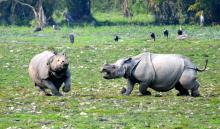
Tour Type
Location

TURA PEAK: The Gateway Summit to Garo Hills' Wild Heart

TURA PEAK
TURA PEAK
TURA PEAK
Audio
SoundHelix-Song-1.mp3
0:00 / 0:00

TURA, West Garo Hills — Five kilometers separate downtown Tura from the summit of Tura Peak, but those five kilometers traverse worlds. The trail begins near Akonngre on the town's eastern edge, where paved roads give way to forest paths and the sounds of traffic fade beneath hornbill calls and gibbon chatter (Meghalaya Tourism, 2026).

At 872 meters above sea level, Tura Peak stands as the accessible face of the Garo Hills—close enough for an afternoon excursion, yet wild enough to deliver genuine mountain solitude (Shillong.com, 2026; Wikipedia, 2026). Local legend holds that the peak provides a sacred abode for spirits, making it a site of reverence for Garo communities who have lived in its shadow for generations (West Garo Hills District Administration, 2025).

For visitors to West Garo Hills, Tura Peak serves as both introduction and invitation: a manageable trek that hints at the wilder adventures—Nokrek's red pandas, Balpakram's spirit gorges, Siju's bat-filled caves—waiting deeper in the hills.


THE CLIMB: A MODERATE CHALLENGE WITH RICH REWARDS

The standard route to Tura Peak's summit covers approximately 5 kilometers one-way, beginning from DC's Park or the Akonngre trailhead on Tura's eastern outskirts (TripAdvisor, 2026; Meghalaya Tourism, 2026). Most trekkers complete the ascent in 45 minutes to 1.5 hours, depending on fitness level and pace (TripAdvisor, 2026).

As one visitor described the experience:

"I had climbed this mountain twice. It is a massive mountain. Indeed tiresome, but after reaching there, feels pleasant, good breeze and good to look around" (TripAdvisor, 2026).

The trail difficulty rates as moderate—steep sections require steady footing, but no technical climbing or special equipment beyond sturdy footwear. The path winds through what the West Garo Hills District Administration (2025) describes as "bluish-green tropical deciduous vegetation," transitioning from secondary forest near town to denser primary forest approaching the summit.

AllTrails (2026) classifies the route as "generally considered a challenging route" at 5.0 miles out-and-back, noting its popularity for birding, hiking, and running. Wildlife encounters are common: hornbills (including great hornbills and wreathed hornbills), Western hoolock gibbons, barking deer, and diverse butterflies inhabit the peak's forests (Meghalaya Tourism, 2026; Meghtourism Facebook, 2024).

A social media post from May 2024 captured the biodiversity appeal:

"Hike through the lush forests of Tura Peak, teeming with exotic birds, including majestic hornbills, and witness the playful antics of gibbons" (Meghtourism Facebook, 2024).


THE SUMMIT VIEW: 360 DEGREES OF GARO MAJESTY

From Tura Peak's forested summit, the view encompasses:

  • To the south and west: The Garo Hills rolling toward Bangladesh, with golden plains visible on exceptionally clear days (Assam Holidays, 2026)
  • To the north: The Brahmaputra Valley stretching across Assam (Assam Holidays, 2026)
  • To the east: On rare crystal-clear winter mornings, the distant Himalayas emerge on the horizon (Assam Holidays, 2026)

Sunrise and sunset transform the panorama into what visitors describe in reverent terms:

"The view from peak is almost same like other peaks, but here hardly any crowd. only the sound of wind. Close your eyes and stand for some time, you will feel the solitude" (TripAdvisor, 2026).

A YouTube video from January 2021 documents a New Year's Day trek, with participants noting: "It was a good track i think it just doesn't take much yeah it just needs energy enthusiasm" (YouTube, 2021). The video showcases the relatively accessible nature of the climb compared to more remote Garo Hills destinations.

An Instagram reel posted in 2024 captured the emotional pull:

"I couldn't stop myself from re-visiting this place. I can come back here another 100 times" (Instagram, 2024).


PRACTICAL INFORMATION: PLANNING YOUR TURA PEAK TREK

Best Time to Visit

October to April offers optimal conditions: clear skies, comfortable temperatures (12-25°C), and minimal rain (Meghalaya Tourism, 2026; MyIndianProducts, 2026).

March to June provides warmer weather (16-30°C) and is considered peak tourist season (TripCrafters, 2026; WanderOn, 2024). Spring brings flowering orchids and migratory birds.

Monsoon (June-September) makes the trail slippery and muddy, with leeches proliferating and visibility often reduced by fog. However, the forest is at its greenest during this period.

Getting There

From Tura Town:

  • Distance: 5 km
  • Options: Trek (2-3 hours round trip), taxi (₹300-500 return with waiting time)
  • Trailhead: DC's Park or Akonngre; clearly marked

Reaching Tura:

  • By Air: Guwahati Airport (220 km; 5-6 hours by road); helicopter service available (limited schedule)
  • By Rail: Guwahati Railway Station (230 km); hire taxi or board shared sumo/bus to Tura
  • By Road from Shillong: 121 km via NH62 (4-5 hours); shared taxis available
  • By Road from Guwahati: 219 km via NH217 (5-6 hours); buses and shared vehicles frequent

Accommodation in Tura

Budget (₹800-1,500/night):

  • Hotel Rikman Continental (Circular Road)
  • Basic lodges near main market

Mid-Range (₹1,500-3,000/night):

  • Hotel Polo Tura
  • Hotel Orchid
  • Hotel Regal

Government:

  • Circuit House (officials priority; advance booking required)

What to Bring

  • Sturdy hiking shoes with good grip
  • Water (1-2 liters; no sources on trail)
  • Sun protection (hat, sunscreen)
  • Insect repellent (especially March-October)
  • Snacks/energy bars
  • Light rain jacket (weather can change quickly)
  • Camera/binoculars for wildlife
  • Small first aid kit

Fees and Regulations

  • No entry fee (as of 2026)
  • No permit required for peak trek
  • Guides not mandatory but available (₹300-500) through hotels or DC's Park
  • Respect local customs; avoid loud noise near summit (considered sacred)

TURA PEAK AS BASE CAMP: GATEWAY TO GREATER ADVENTURES

Tura Peak's greatest value may be as appetizer rather than main course—a warm-up trek that prepares visitors for the Garo Hills' more demanding adventures:

Nokrek National Park (45 km from Tura)

  • UNESCO Biosphere Reserve
  • Home to Citrus indica (wild orange progenitor)
  • Red pandas at subtropical elevations
  • Summit trek: 16-18 km, 5-6 hours
  • Moderate to strenuous difficulty

Balpakram National Park (167 km from Tura via Baghmara)

  • "Land of Spirits" in Garo mythology
  • Dramatic canyon system
  • Red pandas, Asian elephants, clouded leopards
  • Carnivorous pitcher plants
  • 2-3 day expedition

Siju Cave (Dobakhol) (117 km from Tura)

  • India's third-longest cave (4+ km explored)
  • Tens of thousands of bats
  • Underground rivers and limestone formations
  • 2-3 hour guided exploration

Pelga Falls (50 km from Tura)

  • Seasonal waterfall (best July-September)
  • Swimming possible in pools
  • Day trip; accessible by vehicle

VISITOR PERSPECTIVES: SOCIAL MEDIA & REVIEWS

Recent visitor testimonials reveal consistent themes of solitude, natural beauty, and manageable challenge:

TripAdvisor Review (2024):

"The Tura Peak, which is about 5 kms trekking distance from the town, is a nature lover's delight. Beneath it's bluish-green tropical deciduous vegetation are numerous varieties of mammals, birds and reptiles, and the cool mountain air offers respite from the heat of the plains" (TripAdvisor, 2026).

YouTube Trek Documentation (2021): Started 2021 with a trek to Tura Peak on January 2nd. Height: 872 m above sea level. Distance: 5 km from Tura town. The video notes the relatively accessible nature of the climb compared to Nokrek Peak, making it suitable for casual trekkers and families (YouTube, 2021).

Instagram Engagement (2024): Multiple Instagram posts from 2024 showcase sunset views from the summit, with captions emphasizing the "off-the-beaten-path" appeal and lack of crowds compared to Meghalaya's more famous peaks like Shillong Peak (Instagram, 2024).

AllTrails User Data (2026): The trail maintains a consistent rating with users noting:

  • Great for birding (hornbills, woodpeckers, kingfishers)
  • Moderate difficulty suitable for fit beginners
  • Best tackled in morning (summit by 9-10 AM) or late afternoon for sunset
  • Limited signage in upper sections; locals helpful for directions

THE VERDICT: FOR WHOM IS TURA PEAK?

Tura Peak occupies a unique niche in the Garo Hills trekking spectrum: accessible enough for casual hikers, wild enough to feel like an adventure, close enough to Tura town for spontaneous afternoon excursions.

Ideal For:

  • First-time trekkers testing their fitness before tackling Nokrek or Balpakram
  • Families with older children (10+ years with reasonable fitness)
  • Nature photographers seeking wildlife and panoramic views
  • Time-constrained visitors with only a few hours in Tura
  • Solo travelers wanting a safe, well-marked route
  • Birdwatchers and wildlife enthusiasts

Not Ideal For:

  • Those seeking total wilderness isolation (proximity to town means occasional trail traffic)
  • Visitors with mobility limitations (steep sections, no vehicle access to summit)
  • Thrill-seekers wanting technical climbing or extreme challenge
  • Travelers expecting developed infrastructure (no facilities on trail or summit)

As Ghoomein.co.in (2026) summarizes: "Tura Peak is one of the best scenic viewpoints around the city, giving wide hill-and-forest views that feel distinctly Garo Hills."

In an era when many Indian hill stations suffer from overdevelopment and crowds, Tura Peak retains a refreshing simplicity: a forest trail, a summit clearing, a view across the hills, and the wind that has blown across these ridges for millennia.


ESSENTIAL INFORMATION

CategoryDetails
LocationEastern edge of Tura town, West Garo Hills, Meghalaya
Elevation872 meters (2,861 feet) above sea level
Distance from Town5 km (one-way)
Trek Duration45 min–1.5 hours ascent; 30 min–1 hour descent
Trail DifficultyModerate (steep sections but no technical climbing)
Best TimeOctober–April (March–June peak season)
Entry FeeNone (as of 2026)
Permit RequiredNo
Guide NeededNo (optional; ₹300-500 if desired)
Nearest AirportGuwahati (220 km)
Nearest RailwayGuwahati (230 km)
AccommodationTura town (₹800-3,000/night range)
Mobile ReceptionGood near trailhead; intermittent on upper trail
WildlifeHornbills, gibbons, barking deer, butterflies
FacilitiesNone on trail/summit; bring all supplies

Nearby Attractions from Tura

  • Nokrek National Park: 45 km
  • Balpakram National Park: 167 km (via Baghmara)
  • Siju Cave: 117 km
  • Pelga Falls: 50 km

Contact Information

  • West Garo Hills Tourism Office: Tura town
  • Meghalaya Tourism: www.meghalayatourism.in
  • Emergency: Tura Civil Hospital: +91-3651-222230

REFERENCES

AllTrails. (2026, January 9). Tura Peak, Meghalaya, India - Map, guide. https://www.alltrails.com/trail/india/meghalaya/tura-peak

Assam Holidays. (2026). Tura Peak – Places to visit in Meghalaya. https://assamholidays.com/tura-peak-places-to-visit-in-meghalaya/

Ghoomein.co.in. (2026). Tura Peak – Viewpoint above Garo Hills town. https://ghoomein.co.in/places/tura-peak/

Instagram. (2024). Do you agree? In the frame - Foothills of Tura Peak [Social media post]. https://www.instagram.com/reel/C68kHGjvIBJ/

Meghalaya Tourism. (2026). Tura Peak. Government of Meghalaya. https://www.meghalayatourism.in/explore/destinations/by-interest/viewpoints-&-peaks/tura-peak/

Meghtourism. (2024, May 7). Hike through the lush forests of Tura Peak [Facebook post]. https://www.facebook.com/Meghtourism/posts/981145300040545/

MyIndianProducts. (2026). Tura Peak. Travel Directory of India. https://www.myindianproducts.com/travel/place/Tura__Peak/721

Shillong.com. (2026). TURA PEAK Tura, West Garo Hills, Meghalaya. https://www.shillong.com/node/118

Travafa. (2026). Plan trip to Tura | Travel to Tura | Experience Tura. https://travafa.com/location/turameghalayaindia

TripAdvisor. (2026). Tura Peak (2026) - All you need to know before you go. https://www.tripadvisor.com/Attraction_Review-g1591396-d3244143-Reviews-Tura_Peak-Tura_West_Garo_Hills_District_Meghalaya.html

TripCrafters. (2026). Tura tourism and travel guide (2026). https://www.tripcrafters.com/travel/tura-tourism-and-travel-guide

WanderOn. (2024, August 3). Tura Peak: Attractions, activities, trip | Best travel guide. https://wanderon.in/blogs/tura-peak-meghalaya

West Garo Hills District Administration. (2025, December 8). Places of interest. Government of Meghalaya. https://westgarohills.gov.in/places-of-interest/

Wikipedia. (2026). Garo Hills. https://en.wikipedia.org/wiki/Garo_Hills

YouTube. (2021, February 13). Tura Peak | Exploring Garo Hills | North East Meghalaya [Video]. https://www.youtube.com/watch?v=Pxir-T4MKKk


This article was researched and written in January 2026 with reference to government tourism sources, visitor reviews, social media documentation, and travel guides. Field conditions and facilities may change; verify current information before travel.

Location
Highlight
No

Chisobibra Village: Where History, Heritage, and Nature Converge in Meghalaya's Garo Hills

CHISOBIBRA VILLAGE
CHISOBIBRA VILLAGE
CHISOBIBRA VILLAGE
Audio
SoundHelix-Song-1.mp3
0:00 / 0:00

A Sacred Ground of Resistance and Cultural Legacy

Nestled just 8 kilometers from Williamnagar, the district headquarters of East Garo Hills in Meghalaya, Chisobibra Village stands as a testament to courage, cultural resilience, and natural beauty. This unassuming village, cradled within lush green valleys and rolling hills, holds a significance that far exceeds its geographical footprint. It is here, on December 12, 1837, that one of the most poignant chapters of India's resistance against British colonialism unfolded—a story of valor that continues to inspire generations of the Garo people and visitors from across the globe.

Chisobibra is not merely a dot on the map of Meghalaya; it is a pilgrimage site for those seeking to understand the indomitable spirit of indigenous resistance, a window into the vibrant Garo (A'chik) tribal culture, and an emerging ecotourism destination that promises authentic cultural immersion. As the final battleground of the legendary warrior Pa Togan Nengminja Sangma, this village has earned its place in the annals of India's freedom struggle, yet it remains one of the Northeast's best-kept secrets—a hidden gem waiting to be discovered by discerning travelers.

The Legend of Pa Togan Nengminja Sangma: A Warrior's Last Stand

The history of Chisobibra is inseparable from the story of Pa Togan Nengminja Sangma, a towering figure in Garo history and one of India's earliest freedom fighters. Born in the village of Samanda near Williamnagar, Pa Togan emerged as a fearless leader during a tumultuous period when British colonial forces sought to annex the Garo Hills to British India in the 19th century.

During the British Expedition's push to consolidate control over the region, Garo warriors mounted fierce resistance to protect their ancestral lands. The decisive confrontation came at Rongrengiri, where British forces laid siege for days. After prolonged resistance, on December 12, 1837, the British succeeded in their mission, and it was at Chisobibra, on the outskirts of Williamnagar, that Pa Togan Nengminja Sangma breathed his last, according to official records from the East Garo Hills District Administration.

What makes Pa Togan's story particularly poignant is the ingenious yet tragic strategy employed by the Garo warriors. Understanding the technological disadvantage they faced against British firearms, Pa Togan devised a defensive tactic using thick plantain stems as shields. He believed these natural barriers would stop or slow the bullets, as metal would theoretically lose momentum upon impact with the soft yet dense plantain fiber. Armed only with traditional spears called "Selu" and these improvised shields, the Garo warriors launched their assault.

Historical accounts describe a fierce nocturnal battle where the A'chik Matgriks (warriors) attacked the British soldiers in their camp. "It was a cold winter night and the local Garo warriors led by Togan Sangma gave a tough fight to the British. They filled the air with their war cries," recounts MyInd.net. However, the plantain shields proved insufficient against the firepower of British rifles. Bullets pierced through the organic barriers, and the warriors, though displaying extraordinary courage, suffered devastating casualties. Pa Togan Sangma fell on the battlefield, joining his comrades as martyrs of the land.

The battle of Chisobibra, though ending in military defeat, became a powerful symbol of indigenous resistance and the unwillingness of the Garo people to submit to colonial domination without a fight.

A Monument to Remember: Togan Memorial Park

Today, the legacy of Pa Togan Nengminja Sangma is immortalized through a striking monument erected at Chisobibra. The Togan Memorial Park features an imposing statue of the warrior, gazing eternally across the landscape he died defending. This memorial has become a focal point for cultural remembrance and national pride.

Every year on December 12, Pa Togan's death anniversary is observed with appropriate solemnity and grandeur. The commemoration ceremony has evolved into a significant cultural and political event in Meghalaya. In recent years, the observance has drawn high-profile attendance, including Chief Minister Conrad K. Sangma, who in 2025 attended the 153rd death anniversary at Togan Park, Chisobibra. According to media reports, the Chief Minister emphasized the government's commitment to popularizing the lives of freedom fighters like Pa Togan through plays, dramas, and educational initiatives, ensuring that younger generations remain connected to their heritage.

The anniversary celebrations typically include traditional Garo rituals, cultural performances, speeches highlighting Pa Togan's contributions to the freedom struggle, and communal gatherings that reinforce the collective memory of resistance. For visitors, attending these commemorations offers a profound opportunity to witness living history and participate in a community's ongoing dialogue with its past.

The Garo People: Guardians of a Unique Cultural Heritage

To understand Chisobibra's significance, one must appreciate the distinctive culture of the Garo people, who are the second-largest tribe in Meghalaya after the Khasis. The Garos refer to themselves as A'chik or Mande, and their language belongs to the Bodo branch of the Bodo-Naga-Kachin family of the Sino-Tibetan phylum, as noted by the East Garo Hills District Administration.

What distinguishes Garo society most prominently is its matrilineal structure—one of the few remaining matrilineal societies in India. In this system, family names, property, and clan identity are traced through the mother's lineage. Women hold central positions in customs, rituals, and ceremonies, with daughters typically inheriting family property. This social structure gives women considerable economic independence and decision-making authority within households and communities.

The matrilineal tradition also influences marriage customs. The Garo practice a unique form of marriage known as "Chawarisikka" or "marriage by capture," a symbolic ritual where the prospective groom is "captured" by the bride's family, representing the union. After marriage, husbands traditionally reside in their wives' households, reflecting the matrilocal nature of Garo society.

Chisobibra, like other Garo villages, serves as a living museum of these traditions. Visitors can observe traditional bamboo and thatch architecture, witness artisans creating intricate handwoven textiles and bamboo crafts, and experience the warm hospitality that characterizes Garo culture. The village exemplifies the Garo people's harmonious relationship with nature, demonstrating sustainable practices passed down through generations.

Wangala: The Hundred Drums Festival and Chisobibra's Cultural Calendar

The cultural heartbeat of Chisobibra and the broader Garo Hills region is most audibly heard during Wangala, also known as the Hundred Drums Festival. This post-harvest celebration, typically held in November, ranks as the most important festival in the Garo cultural calendar.

Wangala is fundamentally a thanksgiving ceremony dedicated to Misi Saljong (also known as Pattigipa Ra∙rongipa), the Sun God, who is believed to provide mankind with nature's bounties and ensure prosperity. The festival marks the end of the agricultural season, celebrating a successful harvest and expressing gratitude for the earth's abundance.

The festival derives its popular name from the spectacular sight and sound of one hundred traditional drummers—ten dancing groups from different villages, each accompanied by ten drummers—creating a rhythmic symphony. These drummers play "Dama," long oval-shaped drums made from Gambare (a local tree) and cowhide. The thunderous, synchronized drumming creates an almost hypnotic atmosphere that can be felt as much as heard.

Wangala is also characterized by elaborate traditional dances, with performers—particularly women who lead many of the rituals—dressed in colorful attire featuring intricate beadwork and traditional motifs. The festival includes communal feasting, indigenous music performed on bamboo flutes and buffalo horns, ritual offerings, and cultural competitions. According to the Meghalaya Tourism portal, Wangala serves as a crucial touchstone for Garo identity, reminding younger generations of their roots and instilling pride in their distinct cultural heritage.

For travelers planning a visit to Chisobibra, timing your trip to coincide with Wangala offers an unparalleled opportunity to experience Garo culture at its most vibrant and accessible. The village and surrounding areas come alive with celebrations, providing immersive cultural experiences rarely available in more commercialized tourist destinations.

Natural Attractions: Beyond the Monument

While Chisobibra's historical and cultural significance draws many visitors, the village's natural setting offers compelling reasons to extend your stay and explore the surrounding landscape.

Simsang River

The Simsang River (also known as the Someshwari River in Bangladesh, where it eventually flows) runs through the heart of Williamnagar and near Chisobibra, providing a tranquil backdrop for the village. This river is central to local life and offers visitors opportunities for fishing, boating, and riverside relaxation. The crystal-clear waters reflect the surrounding hills, creating picture-perfect scenes, especially at sunset.

The Simsang hosts several cultural festivals throughout the year, including fishing festivals that celebrate traditional angling methods and strengthen community bonds. The riverbanks feature unique rock formations, particularly at nearby Mrik Wari, making it popular with geology enthusiasts and photographers.

Rongbang Waterfall

Located on the Tura-Williamnagar road near Chisobibra, Rongbang Waterfall (also known as Rong'Bang Dare) is a seasonal cascade that becomes particularly spectacular during and immediately after the monsoon season. Nestled within lush greenery, the waterfall provides a refreshing retreat and excellent opportunities for nature photography. According to TripCrafters, Rongbang Falls represents one of Meghalaya's hidden gems, offering visitors a chance to experience pristine natural beauty without the crowds common at more famous waterfalls in the state.

Nokrek Biosphere Reserve

While requiring a longer excursion from Chisobibra, the UNESCO-designated Nokrek Biosphere Reserve represents one of the region's most significant natural treasures. Located in the East Garo Hills, this biodiversity hotspot encompasses Nokrek National Park and surrounding protected areas. The reserve is renowned for its population of endangered species, including red pandas, clouded leopards, Asian elephants, and the rare slow loris.

Nokrek also serves as the gene sanctuary for the Citrus indica—the wild progenitor of cultivated citrus species—making it of immense botanical significance. The Meghalaya Tourism department notes that Nokrek offers trekking opportunities through subtropical forests, wildlife viewing, and insights into conservation efforts protecting Meghalaya's unique ecosystems.

Ecotourism and Community-Based Tourism Initiatives

Chisobibra has increasingly embraced principles of sustainable ecotourism, recognizing that its greatest assets—cultural authenticity and environmental integrity—require careful stewardship. Local communities have developed tourism initiatives that provide economic benefits while preserving traditional ways of life and protecting natural resources.

Visitors to Chisobibra can engage with community-based tourism programs that include:

  • Cultural Workshops: Participate in traditional crafts such as bamboo weaving, textile creation, and pottery under the guidance of local artisans.
  • Homestay Experiences: While formal hotel infrastructure remains limited in Chisobibra itself, homestay arrangements allow travelers to live with Garo families, sharing meals, daily activities, and stories. These immersive experiences provide authentic cultural exchanges far more meaningful than conventional tourism.
  • Guided Village Walks: Local guides offer tours explaining traditional architecture, agricultural practices, medicinal plant uses, and the significance of various community spaces.
  • Traditional Food Experiences: Sample authentic Garo cuisine, which features unique preparations including fermented foods, locally sourced vegetables, and dishes prepared with indigenous ingredients.

According to Assam Holidays, these community-led initiatives ensure that tourism revenue directly benefits villagers, incentivizing cultural preservation and environmental conservation. Travelers seeking meaningful, responsible tourism experiences will find Chisobibra offers exactly what is increasingly difficult to find elsewhere: genuine cultural encounters unmarred by excessive commercialization.

Planning Your Visit: Practical Information

Getting There

Chisobibra is located 8 kilometers from Williamnagar, which serves as the gateway to the village. Reaching Williamnagar requires some planning, as the town lies in a relatively remote part of Meghalaya:

  • From Guwahati: The most common starting point is Guwahati, Assam, which serves as the gateway to Northeast India. Guwahati is well-connected to major Indian cities by air, rail, and road. From Guwahati, Williamnagar is approximately 200 kilometers away—about a 5-6 hour drive through scenic, winding roads traversing hills and forests.
  • By Road: Shared taxis (Sumos) operate from Shillong and Tura to Williamnagar. From Tura (the largest town in Garo Hills), Williamnagar is 77 kilometers. Meghalaya Transport Corporation (MTC) buses also operate on these routes, though services may be limited.
  • Nearest Railway Station: Meghalaya has limited rail connectivity. The nearest major railway station is in Guwahati. Recently, a railway station opened in Mendipathar, which operates passenger trains to and from Guwahati and is closer to Williamnagar than Guwahati.
  • From Williamnagar to Chisobibra: The 8-kilometer journey from Williamnagar to Chisobibra can be covered by hired vehicle, local transport, or even bicycle for the adventurous, with the road passing through scenic rural landscapes.

Where to Stay

Accommodation options in Chisobibra itself are limited, with most visitors staying in Williamnagar and making day trips to the village. Williamnagar offers:

  • Government Guest Houses: Basic but clean accommodation, often requiring advance booking through district authorities.
  • Local Hotels and Lodges: Small establishments providing essential amenities. Notable options mentioned in local guides include the House of Mercy and various local lodges.
  • Homestays: The most authentic option, with several families in Williamnagar and Chisobibra offering rooms. These require advance contact, often facilitated through tourism cooperatives or travel agents specializing in Northeast India.
  • Resorts in Surroundings: Eco-resorts and guesthouses have developed in surrounding areas like Warichora and Adokgre, offering more amenities while maintaining proximity to Chisobibra.

Best Time to Visit

The optimal period for visiting Chisobibra is October to March, during the post-monsoon and winter seasons. During these months:

  • Weather is pleasant with temperatures ranging from 15-25°C
  • Skies are clearer, offering better visibility for photography and outdoor activities
  • Roads are in better condition after monsoon repairs
  • November is particularly special for Wangala celebrations
  • December 12 offers the unique opportunity to witness Pa Togan's death anniversary commemorations

The monsoon season (June to September) brings heavy rainfall that can disrupt travel plans and make roads challenging, though the landscape achieves peak greenness during this period.

What to Bring

  • Comfortable walking shoes for village exploration
  • Light, breathable clothing with layers for varying temperatures
  • Rain gear if visiting during monsoon fringes
  • Camera equipment for capturing cultural moments and landscapes
  • Basic toiletries and medications (limited availability locally)
  • Cash in small denominations (ATM availability is limited)
  • Respectful attire for visiting memorial sites and participating in cultural events

The Emerging Recognition of Chisobibra

Chisobibra's importance is gaining increased recognition at state and national levels. In recent statements, Meghalaya Chief Minister Conrad K. Sangma emphasized the government's commitment to popularizing the contributions of freedom fighters like Pa Togan Nengminja Sangma through creative mediums such as plays and dramas. This reflects growing awareness that historical sites like Chisobibra serve not merely as tourism destinations but as educational resources and sources of cultural pride.

The Government of India's tourism portal now features Chisobibra among notable travel destinations, describing it as a place where visitors "can learn about the legacy of the Garo Warrior/Matgrik – Pa Togan Nengminja, the most famous freedom fighters from amongst the Garo community." This official recognition helps position Chisobibra alongside better-known historical sites while maintaining its character as an off-the-beaten-path destination.

Testimonials: Voices from Visitors and Locals

Travelers who have ventured to Chisobibra consistently express profound appreciation for the experience. Social media posts and travel blogs reveal common themes:

"Standing before the statue of Pa Togan, I felt the weight of history. This wasn't just another monument—it was a reminder of the countless unsung heroes who resisted colonialism across India. The local guide's passionate narration brought the story alive," shared a visitor on the Meghalaya Tourism Facebook page.

Local residents express pride in their heritage while welcoming respectful visitors. A village elder, speaking to researchers documenting oral histories, emphasized: "Pa Togan's sacrifice reminds us to remain strong in our identity. When visitors come here with genuine interest in our culture, it validates what we have always known—that our story matters."

Travel bloggers frequently highlight the contrast between Chisobibra's historical gravitas and its serene, unhurried atmosphere. One blogger noted: "Unlike the commercialized hill stations where every experience feels staged, Chisobibra offers something rare—authenticity. Here, history isn't packaged for tourists; it's woven into the daily life of a community that continues to honor its past while living fully in the present."

Responsible Tourism: Visitor Guidelines

As Chisobibra gains recognition, maintaining the delicate balance between tourism development and cultural preservation becomes crucial. Visitors can contribute to sustainable tourism by:

  1. Respecting Sacred Spaces: The memorial park and sites associated with Pa Togan's sacrifice should be approached with reverence. Appropriate behavior includes speaking softly, dressing modestly, and following local customs.

  2. Supporting Local Economy: Purchase handicrafts directly from artisans, hire local guides, eat at village eateries, and choose homestays when possible.

  3. Environmental Consciousness: Carry reusable water bottles, dispose of waste properly (carry it out if necessary), and avoid disturbing wildlife or vegetation.

  4. Cultural Sensitivity: Always ask permission before photographing people, particularly during ceremonies or in private spaces. Learn basic Garo phrases to show respect for local language.

  5. Authentic Engagement: Approach interactions with genuine interest rather than treating culture as entertainment. Participate in offered activities but recognize when to observe respectfully from a distance.

Conclusion: Chisobibra's Promise for the Future

Chisobibra Village stands at a fascinating crossroads. It remains, in many ways, undiscovered—a place where history speaks through monuments and living traditions rather than through crowded tour buses and hawker stalls. Yet it is precisely this quality that makes Chisobibra invaluable in an era when authentic cultural experiences become increasingly rare.

The story of Pa Togan Nengminja Sangma resonates far beyond the Garo Hills. It speaks to universal themes of courage in the face of overwhelming odds, the defense of homeland and identity, and the willingness to sacrifice everything for principles. In a nation where colonial-era resistance is often associated with figures from majority communities, Pa Togan's story provides essential representation of indigenous contributions to India's freedom struggle.

For the discerning traveler, Chisobibra offers what no five-star resort or curated experience can provide: the opportunity to step into a living history, to understand culture not as performance but as daily practice, and to witness a community that has transformed tragedy into dignity and loss into legacy.

As Meghalaya continues developing its tourism infrastructure while striving to preserve its unique cultural mosaic, Chisobibra emerges as a model—a place where remembrance, tradition, and natural beauty converge to create something profoundly meaningful. It reminds us that the most important destinations are often not the most famous, but rather those that change how we understand history, culture, and our connections to both.

In visiting Chisobibra, you don't merely see a tourist attraction; you become, however briefly, part of an ongoing story—a story that began centuries before Pa Togan's last stand and continues today in every cultural performance, every anniversary commemoration, and every traveler who leaves the village with new understanding and respect.

Chisobibra awaits—not as a destination to be consumed, but as an experience to be honored and a memory to be cherished.


References:

Location

Shillong Dotcom brings news, views, business, tourists into one platform.  

Address: Shillong Dotcom, c/o: Online Tent Service Centre, Pynthorbah Block 2 Church Street Shillong - 793001, Meghalaya. INDIA.

For inquiries, collaboration, please contact us at: office@shillong.com, sam@shillong.com. Phone: 6033091345.