Law Lyngdoh, Mawphlang Village | 25 km from Shillong, East Khasi Hills
By Shillong.com Research Desk | January 2026
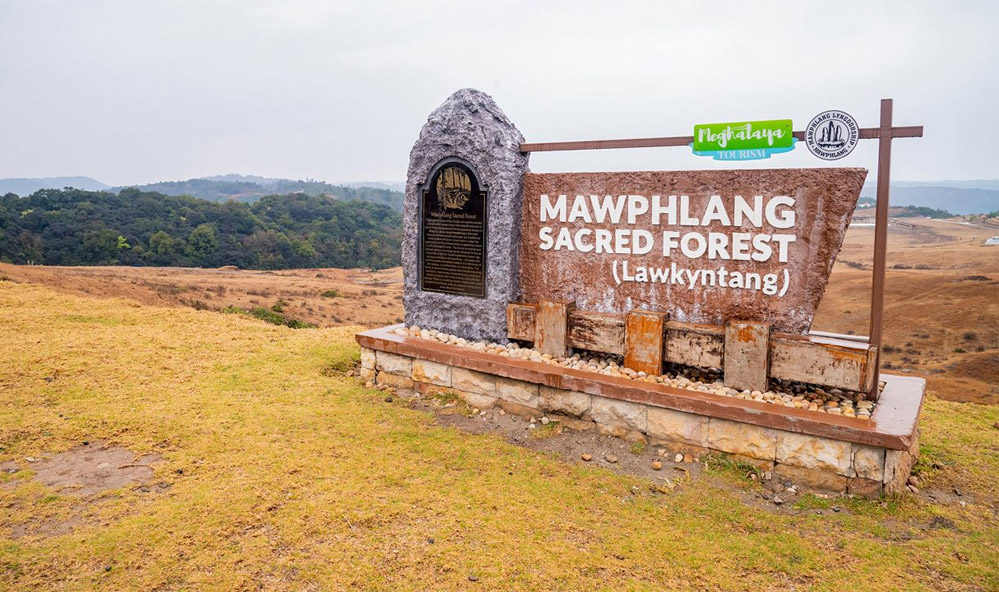
There are places where spirituality and ecology converge so completely that distinguishing one from the other becomes impossible. Mawphlang Sacred Forest—known locally as Law Lyngdoh—is such a place. For over 800 years, this 78-hectare primeval grove has remained virtually untouched, protected not by fences or forest guards, but by the unwavering faith of the Khasi people in the deity Labasa who dwells within.
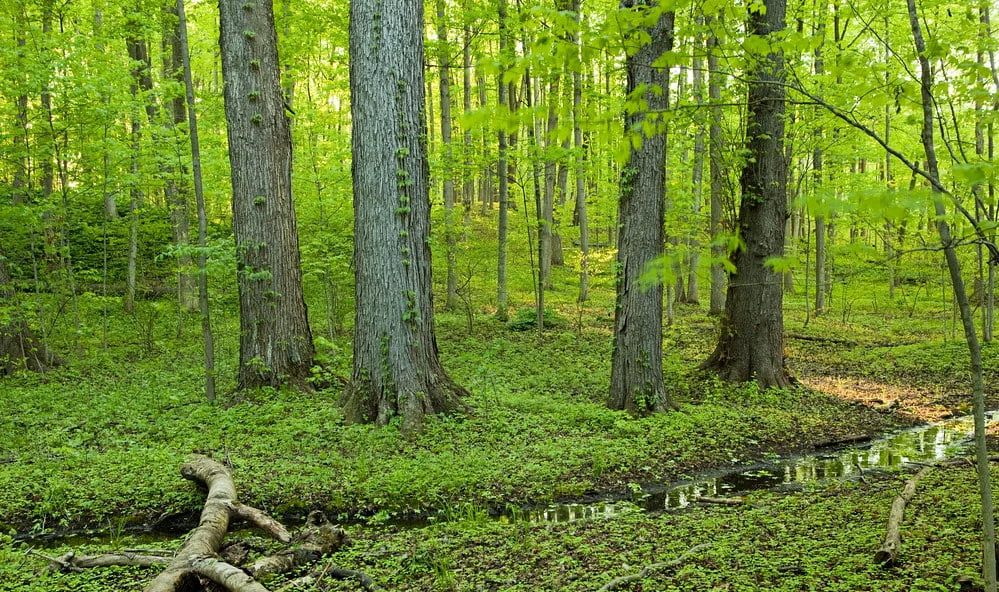
Walking through its moss-draped canopy, where ancient trees tower overhead and silence is broken only by birdcalls, you witness one of humanity's most successful conservation models: one born from reverence, sustained by tradition, and offering lessons our modern world desperately needs.
THE SACRED GROVE TRADITION: A LIVING LEGACY
Mawphlang Sacred Forest represents the oldest and largest of over 50 sacred groves scattered across the Khasi Hills Incredible India. These law-kyntang (sacred forests) embody an indigenous conservation philosophy dating back over a millennium, where environmental protection is inseparable from spiritual practice.
A January 2026 academic study published in the journal Innovation & Collaboration highlights Mawphlang as "a culturally embedded model of community-led conservation," demonstrating how traditional belief systems can achieve biodiversity outcomes that modern conservation often struggles to replicate Wiley Online Library.
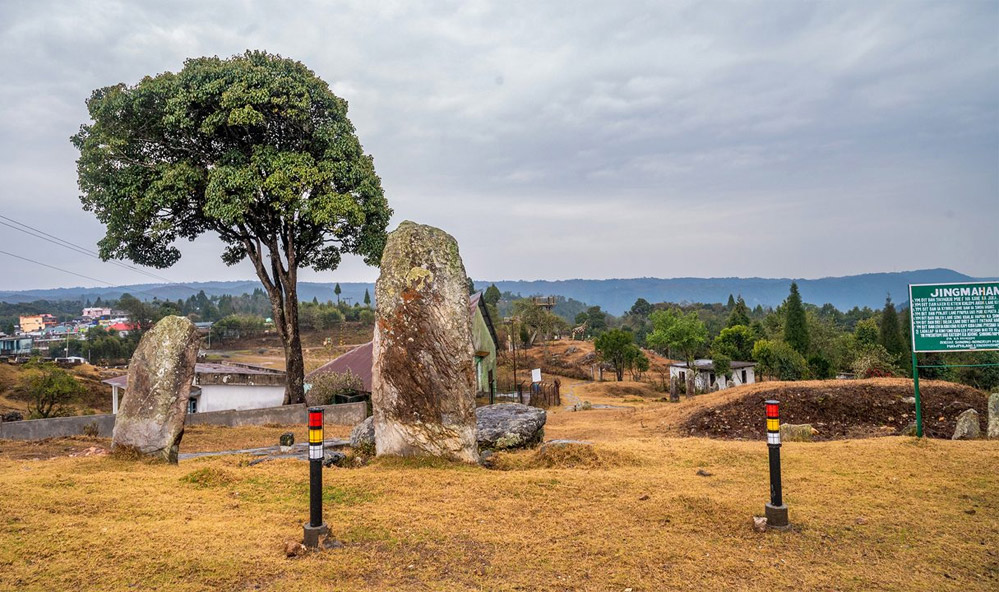
The name "Mawphlang" itself derives from Khasi words meaning "moss-covered stone"—a fitting description for a forest where megalithic monoliths stand sentinel among centuries-old trees, their surfaces thick with moss and lichen Indian Culture.
THE IRON LAW: TAKE NOTHING, LEAVE NO TRACE
The forest's most remarkable feature isn't visible—it's the absolute prohibition against removing anything from within its boundaries. As a 2026 travel blog noted: "Nobody is allowed to take a single leaf or even a dead log outside the forest. This rule has been strictly followed by the locals and tourists are also made to follow the same" The Indegenous.
This isn't merely a tourism regulation—it's a sacred covenant. The Khasi believe that Labasa, the forest deity, will bring misfortune to anyone who violates this principle. According to Times of India's 2024 report: "Visitors to Mawphlang Sacred Grove in Meghalaya are advised not to remove anything from the forest due to local beliefs about the wrath of the forest deity" Times of India.
Strict Forest Rules:
- No removal of leaves, flowers, fruits, bark, or wood (including fallen branches)
- No cutting or damaging any vegetation
- No littering—carry out everything you bring in
- No spitting or discarding chewing gum
- No loud noises or disruptive behavior
- Mandatory guide accompaniment—solo exploration prohibited
- Photography allowed, but respect ritual sites
A 2025 Facebook post emphasized: "Avoid leftovers, litter, even chewing gum or spitting. This sacred forest isn't just a natural marvel—it's a living testament to how deeply communities can protect nature" Facebook - ShillongLover.
BIODIVERSITY TREASURE: A BOTANICAL WONDERLAND
The sacred protection has created an ecological time capsule. Spanning approximately 78 hectares, the forest harbors extraordinary biodiversity rarely found in such concentrated areas.
Flora Highlights:
Over 400 species of orchids, many endemic to the region
Ancient trees aged 400-500 years in the accessible tourist section, with some exceeding 1,000 years deeper within
Rare medicinal plants documented in traditional Khasi pharmacopoeia
Dense fern populations, including endangered species
Massive moss-covered rhododendrons
Canopy trees reaching heights of 60-80 feet
A TripAdvisor reviewer in 2025 marveled: "The sacred forest is magnificent. The trees are as old as a thousand, and the part of the forest we can access as tourists has trees 400-500 years old" TripAdvisor.
Fauna Diversity: The grove serves as a critical habitat for:
- Endangered birds: Tawny-breasted Wren Babbler, Grey Sibia, Blyth's Kingfisher
- Rare species: Golden-throated Barbet, Black-winged Cuckoo-Shrike, Maroon Oriole
- Mammals: Small carnivores, flying squirrels, and various bat species
- Insects: Unique butterfly species and beneficial pollinators Meghalaya Tourism
THE GUIDED WALK: WHAT TO EXPECT
Entry to Mawphlang Sacred Forest requires hiring a local Khasi guide—a policy that serves dual purposes: preserving sacred sites from inadvertent disrespect and providing livelihoods to village youth employed as forest caretakers.
Trek Options:
- Short Trek: 30-45 minutes, covering approximately 1.5-2 km
- Long Trek: 90 minutes, extending to 3-4 km into deeper forest sections
Current Fees (2025-2026):
- Entry: ₹50 per person
- Parking: ₹50 for two-wheelers, ₹50 for cars
- Guide fees: ₹330-350 for short trek (30-40 minutes); ₹550 for long trek (90 minutes)
- Camera: Included in entry fee Shillong Tourism
Operating Hours: 9:00 AM to 4:00 PM daily
As a March 2025 Village Square article noted: "The guide charges a fee of Rs 350, which is to be paid upon entry. The entire guided tour lasts between 30 to 40 minutes, providing visitors with stories, botanical knowledge, and cultural insights" Village Square.
CULTURAL SIGNIFICANCE: THE MEGALITHIC CONNECTION
The forest contains significant megalithic remains—standing stones (menhirs) and stone tables (dolmens) erected during rituals and ceremonies. These aren't mere historical artifacts; they remain active sites of worship where the Khasi community performs annual rituals.
The forest is divided into three sections, each with distinct access levels:
- Laittyrkhang (Inner sanctum) - Restricted to specific Khasi clan members
- Law Nongkynrih (Middle section) - Limited ceremonial access
- Tourist section - Accessible with guided tours Kiran Abhat
According to Khasi tradition, when clan leaders sought guidance for succession, a woman with supernatural powers planted saplings in the grove. Legend holds that if the saplings survived three years, her son was destined to lead—and they did, establishing both leadership and the forest's sacred status Incredible India.
VISITOR TESTIMONIALS: REAL EXPERIENCES
A 2025 Instagram traveler shared: "It was my first visit to Meghalaya, and exploring Sohra and Mawphlang. The Sacred Forest was a lifetime achievement—30-45 min trek where Khasi Tribes have done religious activities for 1000+ years" Facebook - Mdoner India.
A TripAdvisor reviewer noted in 2026: "The Sacred Forest in Mawphlang is one of the well-maintained tourist destinations. The entrance to the forest is lovely and the lush landscape reminds one of the Scottish highlands. The entry ticket is nominal and includes a local guide fee of 350. Restrooms are available near the entrance, and are fairly clean" TripAdvisor.
A Reddit user in December 2024 described it as "an untouched forest that is the soul of Khasi culture, Mawphlang is home to the most celebrated of all the 'law-kyntang' or ancient sacred groves of Meghalaya" Reddit - r/Meghalaya.
KHASI HERITAGE VILLAGE & MONOLITH FESTIVAL
Adjacent to the Sacred Forest, the Khasi Heritage Village offers insights into traditional Khasi architecture and lifestyle. Visitors can explore traditional thatched-roof huts, learn about indigenous crafts, and understand the matrilineal society that defines Khasi culture.
The village hosts the annual Monolith Festival (typically in November), showcasing Meghalaya's diverse tribal cultures through traditional music, dance, handicrafts, and cuisine—all under one cultural umbrella Kaziranga National Park Assam.
BEST TIME TO VISIT & PRACTICAL TIPS
Optimal Season: October to March
- Pleasant weather (15°C-25°C)
- Clear trails and comfortable walking conditions
- Lower humidity for better forest exploration
Monsoon Considerations: June to September
- Heavy rainfall makes trails slippery
- Increased leech activity
- More atmospheric with mist, but challenging trekking
What to Bring:
- Comfortable walking shoes with good grip
- Light jacket (forest interior stays cool)
- Insect repellent (especially during monsoons)
- Water bottle (stay hydrated)
- Camera (photography is allowed)
- Respect for local customs
What NOT to Bring:
- Plastic bags or disposable items
- Plans to collect "souvenirs" (even fallen leaves)
- Disrespectful attitudes toward sacred sites
HOW TO REACH
From Shillong:
- Distance: 25 km
- Duration: 45 minutes-1 hour
- Options: Private taxi (₹800-1,200 round trip), shared taxi (₹50-100 per person one way)
Combine With: Nearby attractions include Elephant Falls (32 km), Shillong Peak (30 km), and the David Scott Trail (trailhead nearby).
CONSERVATION SUCCESS & CONTEMPORARY RELEVANCE
In an era of accelerating biodiversity loss, Mawphlang offers a profound lesson: the most effective conservation may not come from scientific management alone, but from cultural reverence that makes protection sacred duty rather than imposed restriction.
A 2024 ABC News Australia report on indigenous forest conservation highlighted: "Indigenous communities and environmentalists are working to conserve India's sacred forests. Mawphlang demonstrates how traditional practices achieve conservation outcomes modern methods struggle to replicate" ABC News Australia.
The Meghalaya Biodiversity Board recognizes sacred groves as "long tradition of environmental conservation based on indigenous knowledge by the tribal communities," formally incorporating them into state biodiversity strategy Meghalaya Biodiversity.
RESPONSIBLE TOURISM GUIDELINES
To preserve this irreplaceable heritage:
- Follow guide instructions absolutely—they're protecting centuries of tradition
- Take only photographs, leave only footprints (on designated paths)
- Speak softly—respect the sacred atmosphere
- Ask permission before photographing ritual sites or megalithic structures
- Support local economy by purchasing handicrafts from village artisans
- Learn and share the conservation story—it deserves global recognition
THE VERDICT
Mawphlang Sacred Forest transcends typical ecotourism. It's a pilgrimage to a place where humanity got conservation right centuries before the term existed—where faith, fear, and forest create a trinity of protection more effective than any modern legislation.
The hour spent walking among trees that have witnessed 400 harvests, guided by custodians who inherited this responsibility from generations past, offers more than scenic beauty. It provides a template for survival: that protecting nature requires not just science and law, but the kind of deep reverence that makes exploitation spiritually unthinkable.
For travelers seeking authenticity beyond Instagram moments, Mawphlang delivers a profound encounter with both ecological marvel and living cultural practice. It's a reminder that the oldest solutions are sometimes the wisest, and that listening to indigenous wisdom isn't romantic nostalgia—it's practical necessity.
Recommended Duration: 2-3 hours (including Khasi Heritage Village)
Difficulty Level: Easy to Moderate
Best For: Nature enthusiasts, cultural explorers, conservation advocates, photography lovers, families
Skip If: You cannot respect sacred rules or require air-conditioned comfort throughout
For detailed itineraries, cultural etiquette guidance, and booking assistance, visit www.shillong.com